

.jpg)



Credit card skimming is a method that criminals use to steal your card information by secretly attaching a device to a legitimate payment terminal or ATM. They use the stolen data to make unauthorized purchases or create counterfeit cards. Unfortunately, most victims don’t know that their cards have been skimmed until the fraudulent transactions appear on their accounts.
Credit card skimming is a method that criminals use to steal your card information by secretly attaching a device to a legitimate payment terminal, ATM, or fuel pump. The FBI estimates skimming costs financial institutions and consumers more than $1 billion each year.
Once the device captures your card data, criminals use the stolen information to create counterfeit cards and make unauthorized purchases. Most victims have no idea it happened until fraudulent charges appear on their accounts.
What is credit card skimming?
Skimming is a type of fraud that allows criminals to steal the data from your card’s magnetic stripe during a legitimate transaction. Scammers install a hidden skimming device over or inside a card reader without the business owner’s knowledge. Skilled fraudsters mock up the device so that the reader it is attached to appears legitimate.
A skimming device can capture important information from your card, including the card number, expiration date, CVV, and cardholder name. If thieves also capture your PIN, they could do additional damage to your bank account.
How skimming devices work
A skimming device fits over or inside a legitimate card reader and records the information stored on your card’s magnetic stripe. Sometimes, thieves will install a tiny camera or a fake keypad to capture your PIN as you type it.
After they have collected enough data, criminals transfer the information to counterfeit cards or use it for fraudulent online purchases. Many victims don’t realize anything happened until they review their account activity.
Where skimming is most common
Criminals target places where people frequently swipe or insert their payment cards without taking a close look at the equipment. Common locations for skimmers include:
- Gas pumps
- ATMs
- Self-checkout kiosks
- Parking payment terminals
- Vending machines
Older card readers that still require you to swipe are usually at a higher risk of being targeted.
How to spot a credit card skimmer
Skimming devices are made to look convincing, but you can usually spot signs of tampering if you look closely when swiping your card. Look for:
- Loose or bulky card readers
- A broken security seal
- A clunky keypad
- A color mismatch near the card slot
You can gently wiggle the keypad and slot for swiping your card. If it feels loose, don’t swipe your card. Instead, let the business know of your findings.
How to avoid credit card skimming
You can't eliminate the risk entirely, but these five habits can help reduce the most common ways card data gets stolen.
Use contactless or mobile payments
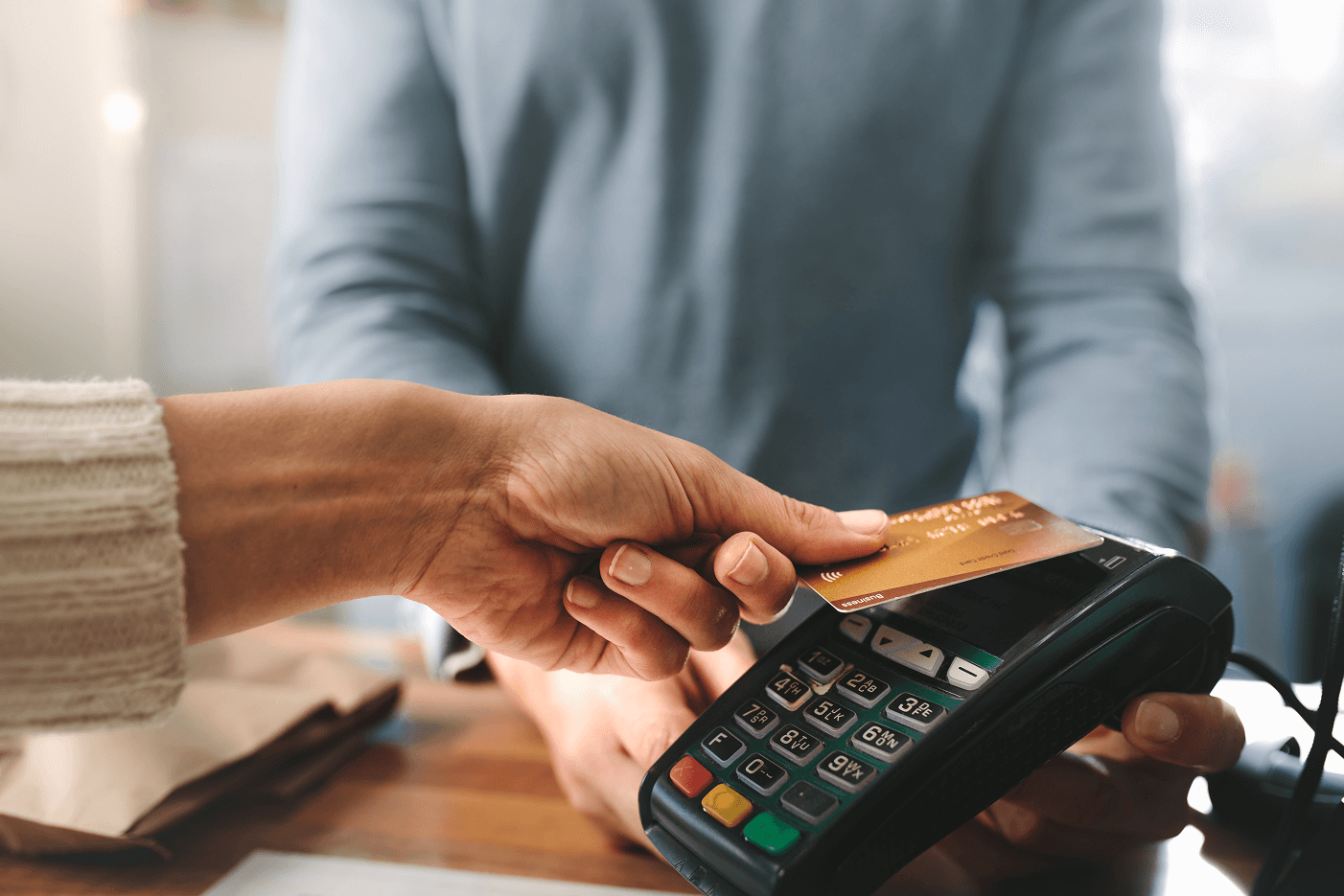
Tap-to-pay cards and mobile wallets such as Apple Pay or Google Pay use encrypted transaction data instead of relying on the magnetic stripe. Those technologies make it harder for criminals to steal your payment information. If you are making a purchase at a terminal that allows for contactless payment, choose that option instead of swiping your card.
Inspect card readers before use
Take a few seconds to examine the payment terminal before inserting or swiping your card. This step is especially important if you are using an outdoor terminal or one that is left unattended. Tug gently on the card reader and compare it with nearby terminals if something looks unusual. If the reader appears loose or damaged, don’t take your chances. Go use a different terminal.
Cover the keypad when entering your PIN
Some criminals install hidden cameras above ATMs or gas pump terminals to record you entering your PIN. Cover the keypad with your free hand to block the view of any cameras that are nearby. That simple habit adds another layer of protection, even if someone installed a skimming device.
Use ATMs inside banks
If you have time to skip the drive-through ATM and go inside, do so. The ATM inside your bank is much harder for criminals to access. It’s too risky for criminals to try to install a skimming device inside a bank.
Monitor your accounts regularly
Despite your best efforts, your financial data could still be compromised. Review your statements and credit card transactions regularly so that you can catch unauthorized charges quickly. Many bank apps allow you to check on your financial health night or day.
Take advantage of these mobile apps. If your bank or card issuer offers push notifications about unusual transactions, enable these alerts. The sooner you catch on to fraudulent spending, the easier it will be to put a stop to it.
Read more → How to Protect Yourself From Credit Card Fraud
What to do if your card has been skimmed
If your card data has been compromised, you need to act quickly. Your legal protections against fraudulent charges depend partly on how fast you report them. Here are the steps to take if you believe your card data has been skimmed.
Report the fraud to your card issuer
Turn off or lock your credit card and then contact your card’s issuer. Ask the issuer to replace your card and dispute any unauthorized transactions. Once you report the incident, issuers will typically keep a close eye on your account for several months.
Putting a stop to credit card fraud is a tall task that requires everyone to do their part. Your card issuer has many more resources than you do, so let them know as soon as you can.
Check your credit report for unauthorized accounts
You’re entitled to free credit reports from each of the three major credit bureaus once a week at AnnualCreditReport.com.
Review them carefully for accounts, inquiries, or purchases that you don’t recognize. Identity thieves may try to use your stolen financial information to open new accounts in your name. You can dispute unauthorized activity, and if the bureau considers it accurate, it’s removed from your credit reports.
File a report with the Federal Trade Commission (FTC)
Report identity theft or financial fraud to the FTC if criminals misuse your personal information. The FTC provides recovery resources and creates an official record of the incident.
Read more → How to Handle and Prevent Fraudulent Charges on Your Account
Dispute fraudulent accounts with Kikoff
Credit card skimming is among the most common strategies used by identity thieves. If you’re the victim of this type of crime and your credit is damaged, reporting the fraudulent activity is only part of the battle. The accounts and inquiries a thief opens in your name can linger on your report long after the case is closed.
Kikoff’s AI-powered dispute tool helps you find those errors and challenge them, generating personalized dispute letters with just a few taps and tracking each one as it moves forward.
Our guide unpacks how to avoid credit card skimming and what to do if your card has been compromised. Here’s everything you need to know.
What is credit card skimming?
Skimming is a type of fraud that allows criminals to steal the data from your card’s magnetic stripe during a legitimate transaction. Perpetrators install a hidden skimming device over or inside a card reader without the business owner’s knowledge. Skilled fraudsters will mock up the device so that the reader it is attached to appears legitimate.
A skimming device can capture important information from your card, including the card number, expiration date, CVV, and cardholder name. If thieves also capture your PIN, they could do additional damage to your bank account.
How skimming devices work
A skimming device fits over or inside a legitimate card reader and records the information stored on your card’s magnetic stripe. Sometimes, thieves will install a tiny camera or a fake keypad to capture your PIN as you type it.
After they have collected enough data, criminals transfer the information to counterfeit cards or use it for fraudulent online purchases. Many victims don’t realize anything happened until they review their account activity.
Where skimming is most common
Criminals target places where people frequently swipe or insert their payment cards without taking a close look at the equipment. Common locations for skimmers include:
- Gas pumps
- ATMs
- Self-checkout kiosks
- Parking payment terminals
- Vending machines
Older card readers that still require you to swipe are usually at a higher risk of being targeted.
How to spot a credit card skimmer
Skimming devices are made to look convincing, but you can usually spot signs of tampering if you are attentive when swiping your card. Here are some red flags to look for:
- Loose or bulky card readers
- A broken security seal
- A clunky keypad
- A color mismatch near the card slot
You can gently wiggle the keypad and slot for swiping your card. If it seems loose, don’t swipe your card and let the business know of your findings.
How to avoid credit card skimming
You can reduce your risk of having your card data stolen if you:
Use contactless or mobile payments
Tap-to-pay cards and mobile wallets such as Apple Pay or Google Pay use encrypted transaction data instead of relying on the magnetic stripe. Those technologies make it harder for criminals to steal your payment information. If you are making a purchase at a terminal that allows for contactless payment, choose that option instead of swiping your card.
Inspect card readers before use
Take a few seconds to examine the payment terminal before inserting or swiping your card. This step is especially important if you are using an outdoor terminal or one that is left unattended. Tug gently on the card reader and compare it with nearby terminals if something looks unusual. If the reader appears loose or damaged, don’t take your chances. Go use a different terminal.
Cover the keypad when entering your PIN
Some criminals install hidden cameras above ATMs or gas pump terminals to record you entering your PIN. Cover the keypad with your free hand to block the view of any cameras that are nearby. That simple habit adds another layer of protection, even if someone installed a skimming device.
Use ATMs inside banks
If you have time to skip the drive-through ATM and go inside, do so. The ATM inside your bank is much harder for criminals to access. It’s too risky for criminals to try to install a skimming device inside a bank, so they rarely target them.
Monitor your accounts regularly
Despite your best efforts, your financial data could still be compromised. Therefore, you should regularly review your bank and credit card transactions so that you can catch unauthorized charges quickly. Banking apps make it easier than ever to check on your financial health.
Take advantage of these mobile apps. If your bank or card issuer offers push notifications about unusual transactions, enable these alerts. The sooner you catch on to fraudulent spending, the easier it will be to put a stop to it.
What to do if your card has been skimmed
If your card data has been compromised, you need to act quickly. It’s very difficult to recover stolen money or have fraudulent purchases removed from your account. The sooner you act, the less damage will be done. Here are the steps to take if you believe your card data has been skimmed:
Report the fraud to your card issuer
Turn off or lock theCredit card skimming is a method that criminals use to steal your card information by secretly attaching a device to a legitimate payment terminal, ATM, or fuel pump. The FBI estimates skimming costs financial institutions and consumers more than $1 billion each year.
Once the device captures your card data, criminals use the stolen information to create counterfeit cards and make unauthorized purchases. Most victims have no idea it happened until fraudulent charges appear on their accounts.
What is credit card skimming?
Skimming is a type of fraud that allows criminals to steal the data from your card’s magnetic stripe during a legitimate transaction. Scammers install a hidden skimming device over or inside a card reader without the business owner’s knowledge. Skilled fraudsters mock up the device so that the reader it is attached to appears legitimate.
A skimming device can capture important information from your card, including the card number, expiration date, CVV, and cardholder name. If thieves also capture your PIN, they could do additional damage to your bank account.
How skimming devices work
A skimming device fits over or inside a legitimate card reader and records the information stored on your card’s magnetic stripe. Sometimes, thieves will install a tiny camera or a fake keypad to capture your PIN as you type it.
After they have collected enough data, criminals transfer the information to counterfeit cards or use it for fraudulent online purchases. Many victims don’t realize anything happened until they review their account activity.
Where skimming is most common
Criminals target places where people frequently swipe or insert their payment cards without taking a close look at the equipment. Common locations for skimmers include:
- Gas pumps
- ATMs
- Self-checkout kiosks
- Parking payment terminals
- Vending machines
Older card readers that still require you to swipe are usually at a higher risk of being targeted.
How to spot a credit card skimmer
Skimming devices are made to look convincing, but you can usually spot signs of tampering if you look closely when swiping your card. Look for:
- Loose or bulky card readers
- A broken security seal
- A clunky keypad
- A color mismatch near the card slot
You can gently wiggle the keypad and slot for swiping your card. If it feels loose, don’t swipe your card. Instead, let the business know of your findings.
How to avoid credit card skimming
You can't eliminate the risk entirely, but these five habits can help reduce the most common ways card data gets stolen.
Use contactless or mobile payments
Tap-to-pay cards and mobile wallets such as Apple Pay or Google Pay use encrypted transaction data instead of relying on the magnetic stripe. Those technologies make it harder for criminals to steal your payment information. If you are making a purchase at a terminal that allows for contactless payment, choose that option instead of swiping your card.
Inspect card readers before use
Take a few seconds to examine the payment terminal before inserting or swiping your card. This step is especially important if you are using an outdoor terminal or one that is left unattended. Tug gently on the card reader and compare it with nearby terminals if something looks unusual. If the reader appears loose or damaged, don’t take your chances. Go use a different terminal.
Cover the keypad when entering your PIN
Some criminals install hidden cameras above ATMs or gas pump terminals to record you entering your PIN. Cover the keypad with your free hand to block the view of any cameras that are nearby. That simple habit adds another layer of protection, even if someone installed a skimming device.
Use ATMs inside banks
If you have time to skip the drive-through ATM and go inside, do so. The ATM inside your bank is much harder for criminals to access. It’s too risky for criminals to try to install a skimming device inside a bank.
Monitor your accounts regularly
Despite your best efforts, your financial data could still be compromised. Review your statements and credit card transactions regularly so that you can catch unauthorized charges quickly. Many bank apps allow you to check on your financial health night or day.
Take advantage of these mobile apps. If your bank or card issuer offers push notifications about unusual transactions, enable these alerts. The sooner you catch on to fraudulent spending, the easier it will be to put a stop to it.
Read more → How to Protect Yourself From Credit Card Fraud
What to do if your card has been skimmed
If your card data has been compromised, you need to act quickly. Your legal protections against fraudulent charges depend partly on how fast you report them. Here are the steps to take if you believe your card data has been skimmed.
Report the fraud to your card issuer
Turn off or lock your credit card and then contact your card’s issuer. Ask the issuer to replace your card and dispute any unauthorized transactions. Once you report the incident, issuers will typically keep a close eye on your account for several months.
Putting a stop to credit card fraud is a tall task that requires everyone to do their part. Your card issuer has many more resources than you do, so let them know as soon as you can.
Check your credit report for unauthorized accounts
You’re entitled to free credit reports from each of the three major credit bureaus once a week at AnnualCreditReport.com.
Review them carefully for accounts, inquiries, or purchases that you don’t recognize. Identity thieves may try to use your stolen financial information to open new accounts in your name. You can dispute unauthorized activity, and if the bureau considers it accurate, it’s removed from your credit reports.
File a report with the Federal Trade Commission (FTC)
Report identity theft or financial fraud to the FTC if criminals misuse your personal information. The FTC provides recovery resources and creates an official record of the incident.
Read more → How to Handle and Prevent Fraudulent Charges on Your Account
Dispute fraudulent accounts with Kikoff
Credit card skimming is among the most common strategies used by identity thieves. If you’re the victim of this type of crime and your credit is damaged, reporting the fraudulent activity is only part of the battle. The accounts and inquiries a thief opens in your name can linger on your report long after the case is closed.
Kikoff’s AI-powered dispute tool helps you find those errors and challenge them, generating personalized dispute letters with just a few taps and tracking each one as it moves forward.
card and then contact your card issuer. Ask the issuer to replace your card and dispute any unauthorized transactions. Once you report the incident, issuers will typically keep a close eye on your account for several months.
Putting a stop to credit card fraud is a tall task that requires everyone to do their part. Your card issuer has many more resources than you do, so bring them into the fold as soon as you can.
Check your credit report for unauthorized accounts
You are entitled to one free credit report per year from each of the big three bureaus. Request these reports and review them.
Look for accounts, inquiries, or purchases that you don’t recognize. Identity thieves may try to use your stolen financial information to open new accounts in your name. You can dispute unauthorized activity and have it removed from your credit reports.
File a report with the Federal Trade Commission (FTC)
Report identity theft or financial fraud to the FTC if criminals misuse your personal information. The FTC provides recovery resources and creates an official record of the incident.
Dispute errors with Kikoff
Credit card skimming is one of the most common strategies used by identity thieves. If you’ve been the victim of this type of crime and your credit has been damaged, reporting the fraudulent activity is only part of the battle. It may still take months to bounce back.
Kikoff can help. Our credit-building platform includes a variety of free and paid tools that add positive payment history to your profile. Sign up for a free Kikoff account today.
Frequently Asked Questions
Disclaimer: The information provided in this blog post is meant for informational purposes only and does not constitute financial advice.