





Credit card fraud can happen to anyone. Some 449,000 complaints were filed with the Federal Trade Commission in 2024, making it the most reported form of identity theft in the country.[1] Criminals are constantly finding new ways to steal payment information, whether through online scams, data breaches, or physical card theft.
The good news is that a few simple habits can greatly reduce your risk. Learning how to protect yourself from credit card fraud can help you catch suspicious activity early, limit financial losses, and keep your accounts secure.
How does credit card fraud happen?
Credit card fraud occurs when someone uses your card or card information without your permission. Sometimes thieves steal a physical card. More often, they steal card numbers through skimming, phishing, and breaches and use them to make purchases online.[2]
Skimming and card cloning
Skimmers are small devices secretly attached to legitimate payment terminals or ATMs.[3] They’re designed to capture the information stored on your card's magnetic stripe when you swipe it.
Criminals use the stolen information to create counterfeit cards or make unauthorized purchases.
Phishing and social engineering
Phishing is when a scammer pretends to be your bank, a retailer, or another trusted company.[4] They may send emails, text messages, or phone calls asking you to verify your account or provide your card number.
These scams are types of social engineering — or psychological manipulation that often uses fear or urgency to trick you into giving away sensitive information, allowing access to your money, or breaking from standard practices.
Data breaches
Even if you're careful, your information can be exposed when a business experiences a data breach. If hackers gain access to customer payment information, stolen card numbers may be sold online or used for fraudulent purchases.
Lost or stolen cards
A misplaced wallet or stolen purse can give someone immediate access to your credit card. While most card issuers offer fraud protection, reporting the loss quickly helps minimize unauthorized charges.
How to protect yourself from credit card fraud
Practicing good credit card fraud prevention habits can make it much harder for criminals to access your information.
Monitor your accounts regularly
Review your credit card statements and banking apps frequently. Many fraudulent charges start small because criminals want to see whether a card is active before making larger purchases.
If you notice a purchase you don't recognize, contact your card issuer immediately.
Use strong passwords and enable two-factor authentication
Create unique passwords for your financial accounts and avoid reusing passwords across multiple websites.
Whenever possible, enable two-factor authentication (2FA). This requires a second verification step, such as a text message or authentication app, making it more difficult for someone to access your accounts.
Be careful where and how you use your card
Whenever possible, use chip-enabled or contactless payments instead of swiping your card.
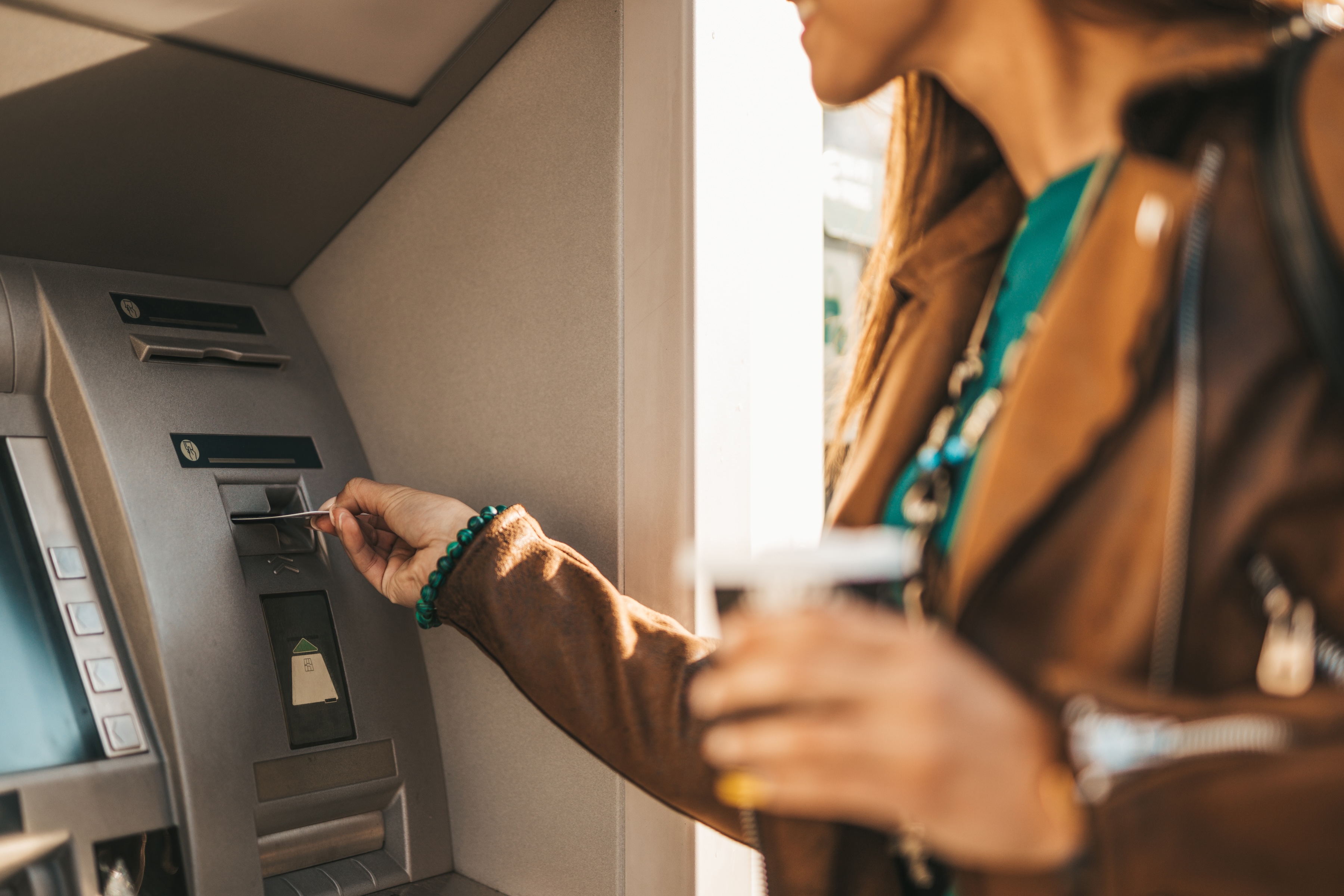
Before inserting your card into an ATM or payment terminal, check for anything that looks loose, damaged, or unusual. If something seems suspicious, use another machine.
Set up transaction alerts
Most banks and credit card issuers let you receive text messages, emails, or app notifications whenever your card is used.
Real-time alerts allow you to spot unauthorized purchases immediately instead of waiting until you check your app or your monthly statement arrives.
Keep your card information private online
Only shop with retailers you trust, and avoid entering payment information on websites that don't use secure connections. Look for “https” in the website address and the padlock icon in your browser.
Be cautious when using public Wi-Fi for online shopping or banking. If you must access financial accounts on public networks, consider using a virtual private network (VPN).
Read more → How to Handle and Prevent Fraudulent Charges on Your Account
Know what to do if you suspect fraud
Acting quickly can reduce the impact of credit card fraud.
Contact your card issuer immediately
Call the number on the back of your card or use your issuer's mobile app to report suspicious activity.
Many issuers can freeze your card, issue a replacement, and investigate unauthorized transactions.
Freeze your credit if needed
If you believe your personal information has been stolen, place a security freeze on your credit reports to help prevent criminals from opening new accounts in your name.4
A credit freeze does not affect your existing credit cards, but it restricts access to your credit reports for new applications.
Dispute unauthorized charges
Federal law limits your liability for unauthorized credit card charges at $50, and many card issuers and networks waive even that, particularly when you report the fraud promptly.[5] Under the Fair Credit Billing Act, reporting fraud generally limits liability for charges made after you notify your issuer. Check with your card issuer to confirm what fraud protections apply to your account.
Keep records of your communications with your card issuer and review your account after the dispute is resolved to make sure no additional fraudulent activity appears.
Read more → How to report identity theft to the credit bureaus
How credit card fraud can affect your credit
Credit card fraud doesn't always damage your credit, especially if fraudulent charges are reported and resolved quickly.
However, identity theft involving new accounts opened in your name can have more serious consequences. Fraudulent accounts, missed payments, or collections may appear on your credit reports if they aren't caught early.
Monitoring your credit reports regularly can help you identify unfamiliar accounts or inaccurate information. If you find errors related to fraud, dispute them with the credit bureaus as soon as possible.
Conclusion
No one can eliminate the risk of credit card fraud entirely, but good security habits can greatly reduce your chances of becoming a victim. Monitoring your accounts, protecting your personal information, and acting quickly when something looks suspicious can help you minimize financial losses and resolve problems faster.
If you're also working to establish positive financial habits, the Kikoff Credit Account is a free revolving line of credit that reports on-time payments to all three credit bureaus with no hard credit check to sign up. Learning healthy credit habits while staying alert to fraud can help you manage your finances with greater confidence.
Frequently Asked Questions
Article Sources
Disclaimer: The information provided in this blog post is meant for informational purposes only and does not constitute financial advice.