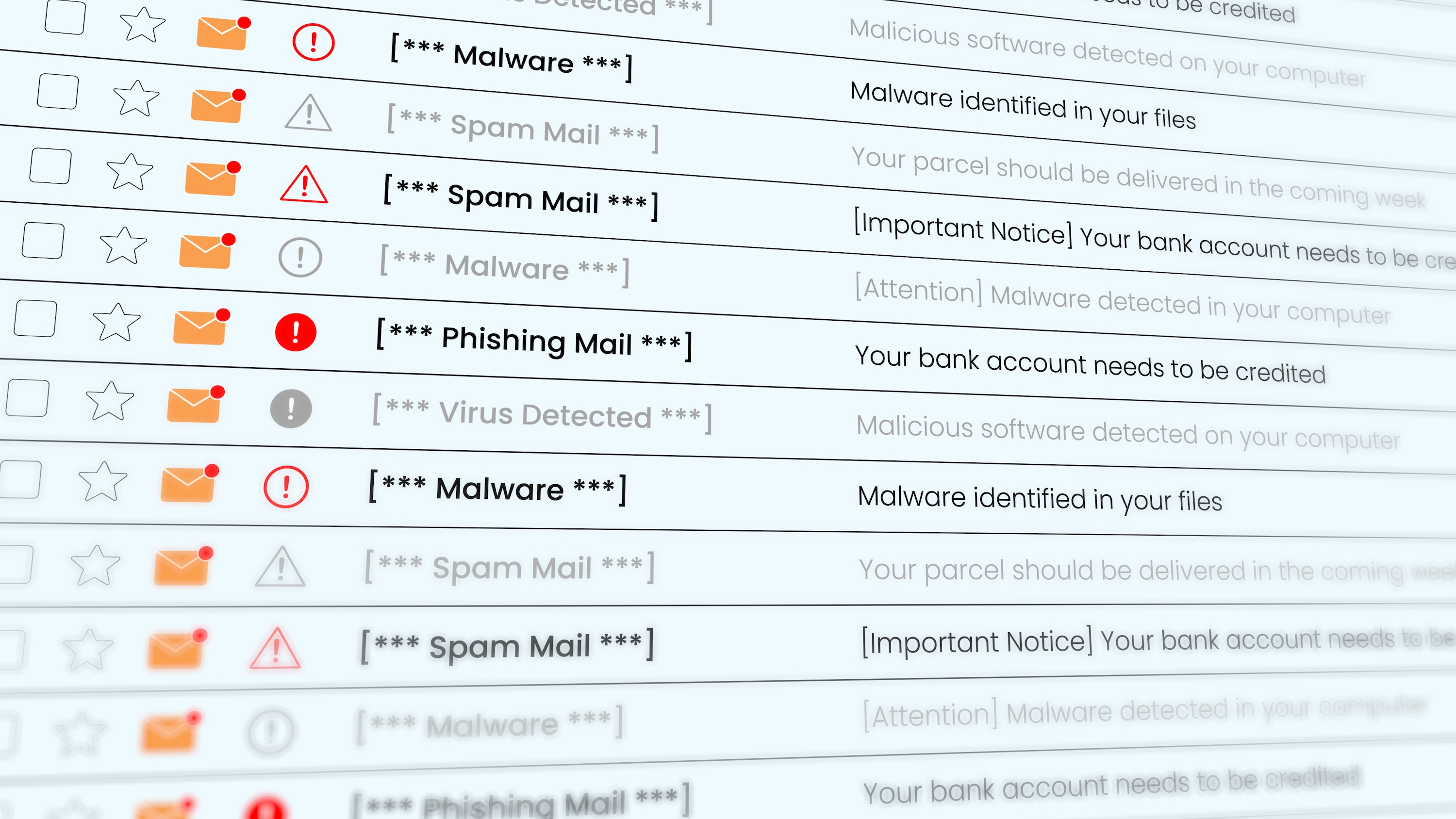



Unauthorized account activity is effectively one of the fastest ways your financial life can be disrupted without you even realizing it.
Fraudsters don't always make large, obvious moves. They often start small, testing an account with a minor charge before draining it, or quietly opening a new line of credit in your name while your existing accounts look completely normal. The single most effective defense against this kind of fraud isn't a complicated system. It's consistent monitoring paired with the right tools.
In this post, we'll cover exactly how to monitor your accounts, what warning signs to look for, and how to respond quickly if something goes wrong.
Let's jump in.
How to monitor your accounts for unauthorized activity
Monitoring your accounts for unauthorized activity mainly comes down to three layers: your bank and credit card accounts, your credit report, and your personal information.
Every individual who has a financial account is a potential target, be it a checking account, a savings account, or a credit card. Covering all three layers means you'll catch fraud whether it originates from a stolen card number, a data breach, or full-blown identity theft.
Set up real-time transaction alerts
The fastest way to catch unauthorized activity is to hear about it the moment it happens.
Most banks and credit card issuers allow you to set up real-time push notifications or text alerts for every transaction on your account. This means the second a charge posts, be it a $4 coffee or a $400 electronics purchase, you'll receive a notification and can immediately verify whether it was you.
Log in to your bank or card issuer's app and navigate to the alerts or notifications settings. Enable alerts for every transaction type available, including purchases, ATM withdrawals, online transactions, and any changes to your account information.
For accounts that don't offer transaction-level alerts, set up a daily balance alert instead so any unusual changes surface within 24 hours. The goal is to shrink the window between when fraud occurs and when you find out about it.
Review your statements regularly
Automated alerts are super helpful, but they don't replace the habit of actually sitting down and reviewing your statements.
Statement reviews let you catch things that alerts might miss, like a recurring charge you forgot to cancel, a subscription that doubled in price, or a small test transaction a fraudster made before attempting something larger. Once a week is generally a good cadence for active accounts, and at minimum once a month for accounts you use less frequently.
When reviewing, look for any merchant name you don't recognize, any duplicate charges, and any transactions for amounts that don't match what you remember spending. A charge from an unfamiliar company name doesn't always mean fraud, since many businesses process payments under a parent company or payment processor name, but it's worth a quick search to confirm.
Just make sure you're reviewing every account, not just your primary checking account.
Monitor your credit reports
Your credit report is effectively a second set of books on your financial identity, and it can show fraud that never touches your bank account directly.
If someone opens a new credit card, takes out a loan, or applies for financing in your name, those actions show up on your credit report as new accounts or hard inquiries, even if you never received a statement or a card. Checking your credit report regularly is one of the most important steps every individual can take to catch identity theft early.
You can pull your full credit reports for free at annualcreditreport.com, which gives you access to your reports from Equifax, Experian, and TransUnion. Spacing those pulls out across the year, for example one bureau every four months, lets you monitor your report on a rolling basis throughout the year rather than all at once.
Apps like Kikoff make ongoing credit monitoring easy, with visibility into your credit profile and tools to dispute any inaccurate items that appear as a result of fraud. Add positive payment history to your credit profile with Kikoff while staying on top of what's being reported in your name.
Watch for warning signs of unauthorized activity
Knowing what to look for makes it much easier to catch problems before they grow.
Some warning signs are obvious, like a charge you definitely didn't make or a credit card bill that's significantly higher than usual. Others are subtler and easy to dismiss if you're not paying attention.
Here are common warning signs worth taking seriously:
- Small, unfamiliar charges of $1 to $10 on a card you rarely use
- A new account or hard inquiry on your credit report you don't recognize
- A bill or statement arriving for an account you didn't open
- A notification that your personal information, like your address or phone number, was changed on an account
- A sudden drop in your credit score with no obvious explanation
- Calls or letters from debt collectors about accounts you don't recognize
Any one of these on its own warrants investigation. Don't assume a small charge is a rounding error or a minor glitch.
Use account monitoring tools and apps
Luckily, you don't have to do all of this manually.
A range of tools is available to help automate the monitoring process, from bank-level fraud detection to dedicated credit monitoring services. Most major banks already run their own fraud detection algorithms in the background, flagging unusual spending patterns and sometimes freezing accounts automatically when something looks off.
Beyond your bank, dedicated monitoring tools can track your credit file, scan for your personal information on the dark web, and alert you to changes across all three bureaus at once. Some of these services are free, and others are included in paid financial apps or identity protection plans.
The key is layering your tools so that no single gap leaves you exposed. Bank alerts cover your day-to-day transactions, credit monitoring covers your broader identity, and dark web scanning covers whether your data has already been compromised somewhere else.
Know how to respond quickly
Speed is basically everything when it comes to limiting the damage from unauthorized activity.
The moment you spot something suspicious, contact your bank or card issuer directly using the number on the back of your card or on their official website. Don't use a phone number or link from an email you received, since fraudsters sometimes send fake fraud alerts to intercept your response. Most issuers can freeze your card, reverse unauthorized charges, and issue a replacement card within minutes.
If you find unauthorized accounts or hard inquiries on your credit report, place a fraud alert with one of the three major bureaus. A fraud alert is free and automatically extends to all three bureaus, requiring lenders to take extra steps to verify your identity before opening new credit in your name.
For more serious cases involving identity theft, a credit freeze is the stronger option. A credit freeze blocks all new credit inquiries entirely until you lift it, and it's free to place and lift at each bureau individually.
Set a recurring monitoring schedule
The single most common reason fraud goes undetected for weeks or months is simply that people check their accounts infrequently.
Building a consistent monitoring routine is mainly a matter of deciding when and how often to check each layer. A simple schedule that works for lots of people looks something like this: transaction alerts enabled at all times, statement reviews weekly or biweekly, and credit report checks every three to four months on a rotating bureau basis.
Putting a recurring calendar reminder is usually enough to make the habit stick. The whole process, once you know what to look for, takes less time than most people expect.
Conclusion
Monitoring your accounts for unauthorized activity is effectively one of the highest-return financial habits you can build.
The combination of real-time alerts, regular statement reviews, and periodic credit report checks covers the full surface area of where fraud can appear. Every individual who builds this habit makes themselves a significantly harder target and gives themselves the best chance of catching problems early, when they're still easy to fix.
For an easy way to keep tabs on your credit profile alongside your other monitoring habits, Kikoff provides credit visibility and dispute tools to help you stay on top of what's being reported in your name. Start building a positive credit history with Kikoff while protecting the progress you've already made.
Frequently Asked Questions
About the editor

Disclaimer: The information provided in this blog post is meant for informational purposes only and does not constitute financial advice.