




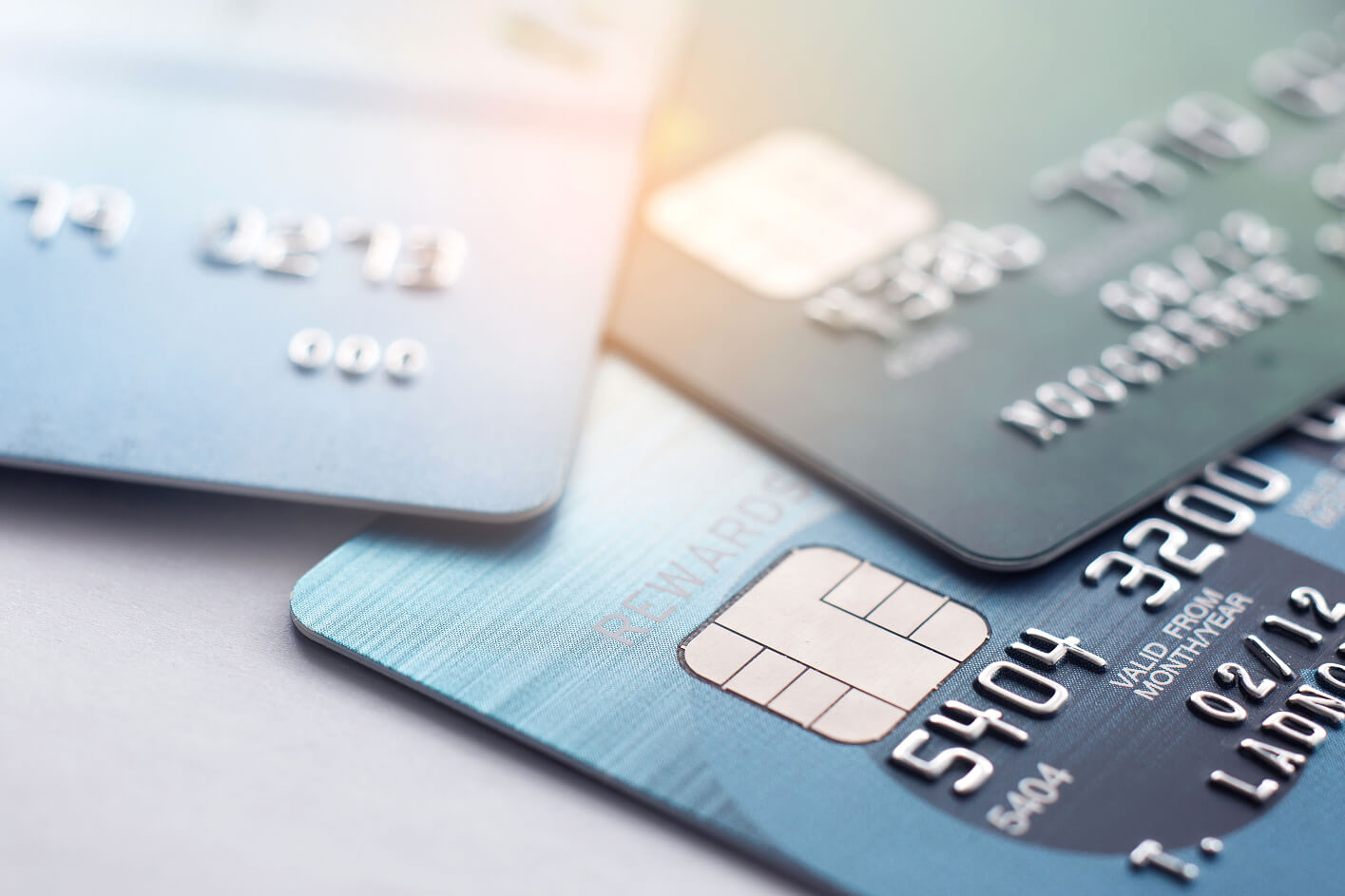
Every individual who uses a credit or debit card faces some level of risk when it comes to card compromises.
A card compromise occurs when your card information is accessed by an unauthorized party, be it a hacker, a skimming device, or a data breach at a retailer you frequent.
Understanding how these compromises happen and what to do when they occur is effectively the first step toward protecting your financial health and your credit profile.
Let's jump in.
What is a credit or debit card compromise?
A card compromise is basically any event where your card details fall into the wrong hands without your knowledge or consent.
This can include your card number, expiration date, CVV code, or PIN being stolen through various methods. The stolen information is then used to make unauthorized purchases, withdraw cash, or even sell your details on the dark web.
Credit card compromises and debit card compromises function similarly in terms of how the data is stolen, but the consequences for the cardholder can differ significantly.
With a credit card, federal law generally limits your liability to $50 for unauthorized charges, and most major issuers offer zero-liability policies.
Debit card compromises tend to be more dangerous because the money is pulled directly from your bank account, which means you could be left without funds while the bank investigates.
This said, understanding the difference between these two types of compromises is super important for knowing how to respond.
How do card compromises happen?
There are lots of ways your card information can be compromised, and criminals are constantly developing new techniques.
Here's a breakdown of the most common methods:
- Skimming devices installed on ATMs or point-of-sale terminals that copy your card's magnetic stripe data
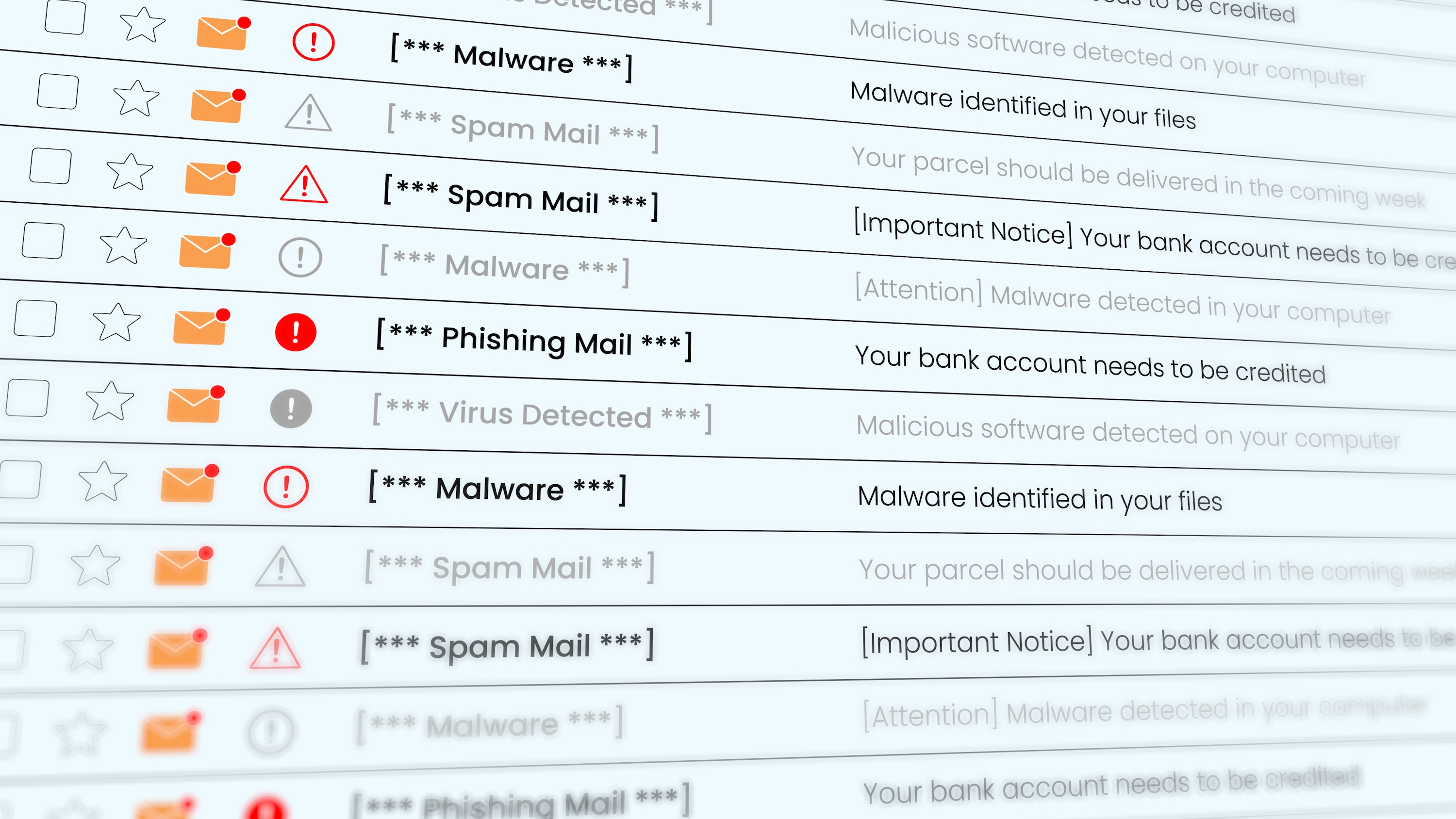
- Phishing emails or text messages that trick you into entering your card details on fraudulent websites
- Data breaches at retailers, restaurants, or online merchants where your card information is stored
- Malware on your computer or phone that captures keystrokes when you enter payment information
- Physical theft of your card or mail containing new cards
- Shoulder surfing, where someone watches you enter your PIN at an ATM or checkout terminal
Card-not-present fraud, which is primarily conducted online, has become the single most common type of compromise in recent years.
Criminals generally don't need your physical card to make purchases online, just the numbers printed on it. Public Wi-Fi networks also present risk, as unencrypted connections can allow attackers to intercept data you transmit while shopping or banking online.
Signs your card has been compromised
Recognizing a compromise quickly can limit the damage done to your finances and your credit.
Watch for these warning signs:
- Unfamiliar transactions on your statement, even small ones (criminals often test cards with tiny purchases first)
- Notifications from your bank about transactions you did not authorize
- Declined transactions when you know you have available credit or funds
- Alerts from your credit monitoring service about new accounts opened in your name
- Calls from your bank's fraud department asking you to verify recent activity
Many people only discover a compromise when they review their monthly statement, which is why regular monitoring is a no-brainer for catching issues early.
If you notice anything suspicious, contact your card issuer immediately.
What to do if your card is compromised
If you suspect or confirm that your card has been compromised, taking swift action can minimize financial loss and protect your credit.
First, contact your card issuer right away to report the unauthorized activity and request a new card with a new number.
Most banks have 24/7 fraud hotlines specifically for this purpose.
Next, review your recent transactions carefully and identify every charge you did not authorize.
File a formal dispute for each unauthorized transaction, as your issuer is required to investigate under federal law.
Change your passwords for any online accounts where the compromised card was stored as a payment method.
If you suspect your identity has been stolen beyond just the card number, consider placing a fraud alert or credit freeze with all three major credit bureaus: Equifax, Experian, and TransUnion.
Finally, file a report with the Federal Trade Commission at IdentityTheft.gov, which creates an official record and provides a recovery plan.
How a card compromise can affect your credit
A card compromise itself does not directly lower your credit score, but the aftermath can create problems if not handled properly.
If unauthorized charges push your credit card balance higher, your credit utilization ratio increases, which can hurt your score since utilization accounts for roughly 30% of your FICO score.Fraudulent accounts opened in your name using stolen information can generate hard inquiries and new tradelines that damage your credit profile. Late payments reported on accounts you didn't know existed will also negatively impact your payment history, which is the single most important factor at 35% of your score.
Luckily, if you catch the compromise early and dispute unauthorized activity, the credit bureaus are required to investigate and remove inaccurate information. Just make sure you monitor your credit report regularly so fraudulent items don't go unnoticed for months.
For those working to build or rebuild credit, a compromise can be especially frustrating because it can undo months of careful progress.
Using a platform like Kikoff to build credit through consistent, reported on-time payments helps establish a strong foundation, but protecting that progress from fraud is equally important.
How to protect yourself from future compromises
Prevention is generally the best defense against card compromises.
Here are steps you can take to reduce your risk:
- Enable transaction alerts on all your cards so you receive real-time notifications for every purchase
- Use virtual card numbers for online shopping when your issuer offers them
- Avoid using public Wi-Fi for banking or shopping without a VPN
- Regularly update passwords and enable two-factor authentication on financial accounts
- Check your credit report at least annually through AnnualCreditReport.com
- Never share your PIN or card details over the phone unless you initiated the call
- Use chip-enabled or contactless payment methods instead of swiping the magnetic stripe
Setting up credit monitoring is another effective layer of protection.
Services that alert you to changes on your credit report can help you catch fraudulent activity before it causes lasting damage.
With a Kikoff plan, users can dispute errors on their credit report and send them to Equifax for review, which is super helpful if a compromise results in inaccurate reporting.
Conclusion
Card compromises are an unfortunate reality of modern financial life, but understanding how they happen and how to respond puts you in a much stronger position.
The key steps are monitoring your accounts regularly, acting quickly when something looks wrong, and taking preventive measures to reduce your exposure.
If a compromise does impact your credit, disputing inaccurate information promptly is essential to protecting the credit history you've worked to build.
For anyone focused on building or maintaining strong credit, tools like Kikoff help you establish consistent positive payment history while also providing dispute resources to correct errors that may arise from fraud.
Frequently Asked Questions
About the editor

Disclaimer: The information provided in this blog post is meant for informational purposes only and does not constitute financial advice.