






The lowest score you’ll see on the standard FICO and VantageScore models is 300, though FICO’s auto and credit card scores go lower.
But a low credit score isn’t forever. Scores move as your credit history changes, and older setbacks tend to count for less over time.
What is the lowest credit score you can have?
On base FICO Scores and VantageScore, the two major credit scoring models in the U.S., the lowest score you can have is 300. That covers the scores most people check. FICO’s industry-specific scores for auto loans and credit cards go down to 250.
Your score is a three-digit number that sums up how you’ve handled borrowing and paying back money, based on what’s in your credit report.
FICO Score range
Base FICO Scores range from 300 to 850. It’s the score lenders check most often when you apply for a credit card, car loan, or a mortgage.
FICO also makes industry-specific scores for auto loans and credit cards that run from 250 to 900. If you apply for a car loan or credit card, the lender may check one of these specialized scores, which could be different from the score you check yourself.
VantageScore range
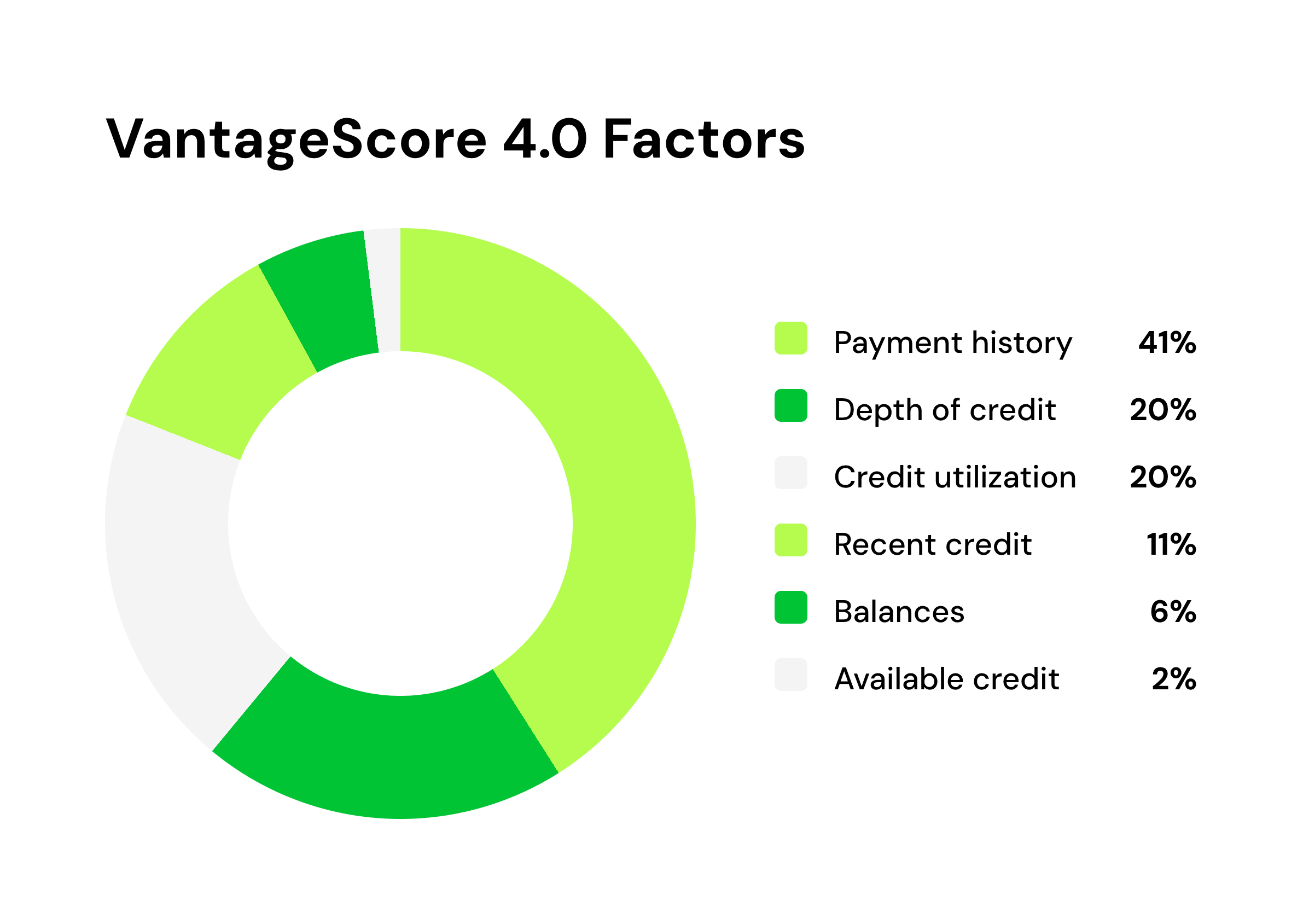
VantageScore also runs from 300 to 850. It was created by the three major credit bureaus, Equifax, Experian, and TransUnion. Instead of labels like “fair” or “good,” VantageScore sorts scores into four tiers that describe your credit risk, from “subprime” at the low end to “superprime” at the top.
Learn more > What's the Difference Between FICO and VantageScore?
What causes a very low credit score?
A score near 300 usually means several serious negative marks are on your report at once, like months of missed payments, an account sent to collections, or a charge-off. Those can start with something outside your control, like a medical bill, a job loss, or a cut in hours.
Common causes include:
- Payments made 30 or more days late, which can hurt your payment history.
- Collections, meaning your debt was transferred or sold to a collection agency.
- Charge-offs, when a lender writes off a debt it doesn’t expect you to repay.
- Maxed-out cards, which drive up your credit utilization (the share of available credit you’re using).
- Bankruptcy, a court process that can erase many debts or set up a repayment plan. Some debts, like child support and most student loans, usually survive it. You can still build credit after a bankruptcy.
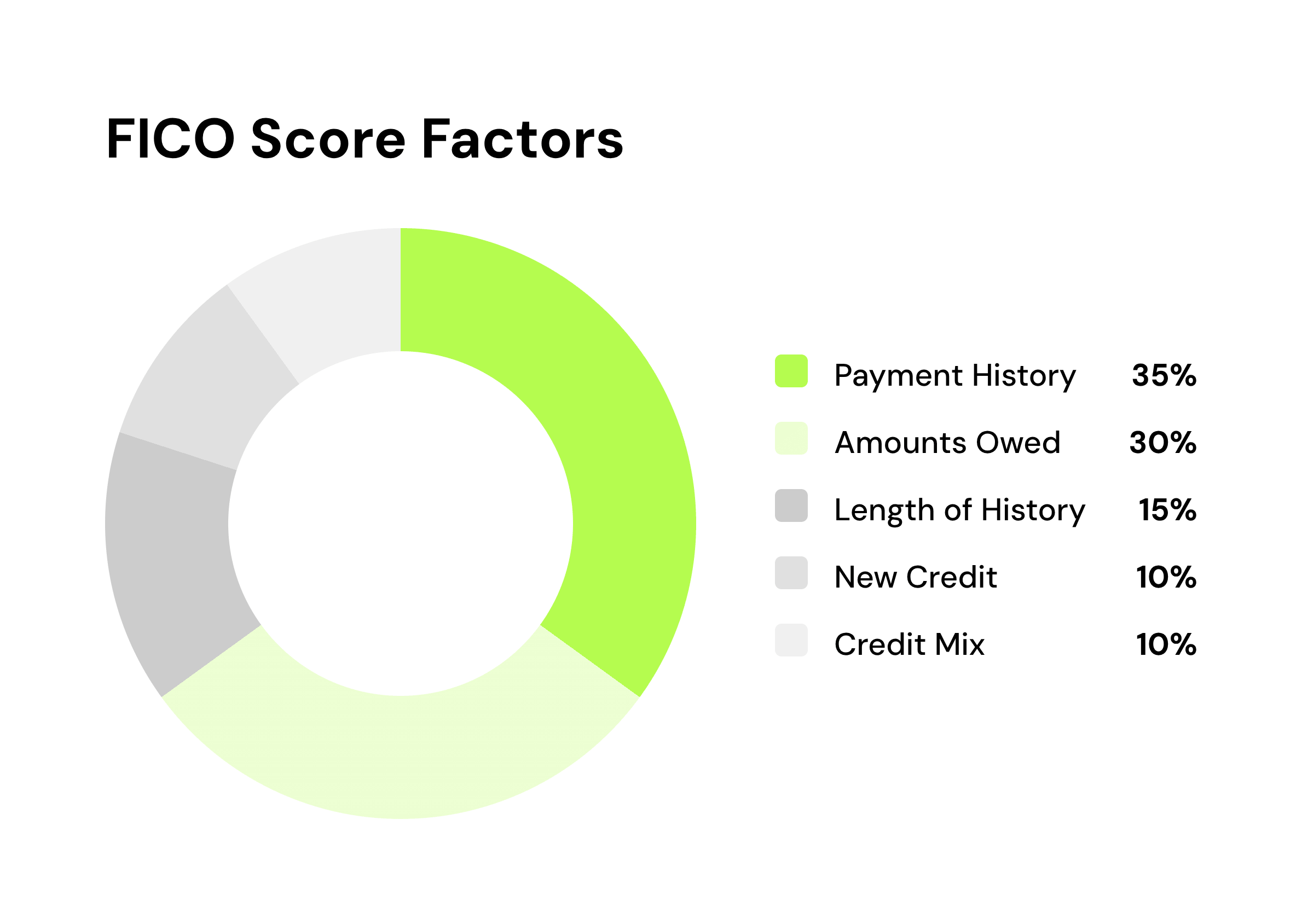
Payment history makes up 35% of your FICO Score, and amounts owed another 30%. So late payments and high balances together can hit hard.
Errors can happen too. An account that isn’t yours can drag your score down.
Read more >> 6 Most Common Credit Report Errors
What happens if you have the lowest credit score?
A score near the bottom doesn't lock you out of all credit options, but it can make them more expensive.
You might:
- Get denied for loans and credit cards more often
- Be offered higher interest rates when you’re approved
- Need a bigger security deposit or a cosigner to rent
- Pay a deposit to set up utility service.
Most negative information can stay on your report for up to seven years, according to the CFPB, and bankruptcies for up to 10. After that, they generally age off your reports.
Read more >> What Can You Get Approved For With a 330 Credit Score?
How to build credit from a very low score
Building credit from a low score takes time, but each of these steps can help move things in the right direction.
Make on-time payments
Payment history is the biggest factor in your FICO Score. A few ways to stay on track:
- Bring past-due accounts current, if you can.
- Set up autopay for at least the minimum, timed for after payday so it doesn’t overdraw your account.
- Call before you miss a payment. If you can’t pay, call your lender before the due date and ask about a hardship program, a lower payment, or a new due date.
Pay down outstanding balances
Lower balances mean lower utilization. Using less of your available credit can help your score. If you’re paying down more than one card, two strategies can help:
- Avalanche method. List your debts by interest rate, highest first. Pay the minimum on everything, and put whatever extra you have toward the highest rate. When it’s paid off, that whole payment rolls into the next one. You’ll pay less overall this way, though the first account may take a while to clear.
- Snowball method. Same approach, but listed by balance, smallest first. You’ll clear accounts faster, which is worth it if seeing progress is what keeps you going.
Our guide on how to manage and pay off credit card debt walks you through both methods, plus other ways to pay down what you owe.
Dispute errors on your credit report
You can check your credit reports for free every week at AnnualCreditReport.com, the only site authorized under federal law to give you free reports. Pull all three, since Equifax, Experian, and TransUnion may each show different information.
Look for anything that doesn’t look right, including:
- Accounts you don’t recognize
- Late payments on bills you paid on time
- Wrong balances or credit limits
- The same debt listed twice
If you spot a mistake, you can dispute it yourself at no cost. If you’d rather have some help, Kikoff’s AI Credit Disputes tool can help you spot possible errors and draft dispute letters with a few taps.
Build history with a credit-building tool
When your report has a lot of negative marks, new on-time payments can start to balance them out. A secured credit card, credit-builder loan, or credit building app gives you an account to pay each month, and every reported on-time payment adds to your credit history. A rent reporting app can add the payments you already make to your credit reports.
Prepaid cards and short-term payday loans typically don’t help you build credit.
Before you sign up, ask which credit bureaus a product reports to. Some report to all three, while others report to only one or two.
Read more >> How to Build Credit From Scratch
A low score is usually a symptom, not the problem. If several accounts are behind, the score follows the debt, so start there. A nonprofit credit counselor can help you decide what to tackle first, and through a debt management plan may get creditors to lower your rates or waive fees, which is harder to arrange on your own. The National Foundation for Credit Counseling offers free or low-cost counseling at 800-388-2227.
If you’re weighing bankruptcy, that’s a lawyer rather than a counselor, because your state decides what property you’d keep and which debts actually go away. Legal aid may be free if you qualify by income.
Bottom line
The lowest score most people will see is 300, and a score near it can climb as your credit history changes. Disputing errors and letting old marks age off both take something away from your report. Neither adds anything positive. On-time payments do.
Kikoff’s Credit Account reports your on-time payments to Equifax, Experian, and TransUnion, with no credit check to sign up and no deposit. Plans start at $5 a month.
Frequently Asked Questions
Article Sources
Disclaimer: The information provided in this blog post is meant for informational purposes only and does not constitute financial advice.