







Your credit utilization ratio is a simple metric that shows how much of your available credit you're using at a given time. It's mostly based on your credit card usage, but it can also include other personal revolving lines of credit.
Your credit utilization rate is an influential factor in determining your credit score, and keeping it low can help you build and maintain good credit over time.
How to lower your credit utilization
The process starts with calculating your current ratio, then taking steps to pay down your balances and keep them low.
Calculate your current credit utilization ratio
The formula is simple: For each card you have, divide the current balance by the account's credit limit. Then, do the same thing for all of your cards together. As an example, let's say you have three cards:
Going through this process with each card can tell you which cards are driving your total utilization rate up, making it easier to know which balances to prioritize.
Pay down credit card balances
Prioritize paying down your highest balances to lower your utilization rate for that card, as well as your overall utilization. One way to do this is a variation of the debt snowball method. With this approach, you'll make the minimum payment on all of your cards, then add any additional payments you can make to the card with the highest balance.
Once that card is paid off, you'll take the total payment you were making on it and add it to the minimum amount due on the card with the next highest balance, creating an avalanche effect. You'll repeat this process with each card until it's paid in full.
Make a payment before your statement closing date
Credit card companies report your balance on or shortly after your monthly statement closing date. So, even if you pay your balance in full every month, you could still have a high utilization ratio.
If you typically use up a lot of your available credit every month, consider making a payment before your closing date to keep the reported balance low.
Ask for a credit limit increase
Another way to reduce your credit utilization ratio is to add more available credit. You can do this by requesting a credit limit increase on one or more of your credit cards. When you do this, the issuer will typically ask about your current income, and it may run a hard credit check. (The CFPB lists evaluating a credit limit increase among the reasons a lender pulls your credit report.)
Whether the pull is hard or soft depends on the issuer, and some don't publish their policy, so it's worth calling the number on the back of your card and asking before you submit the request.
Call before you ask for a limit increase. Some issuers run a hard pull, some run a soft one, and not all publish their policy. A soft pull won't affect your score, but a hard one will. It's worth a two-minute call to your issuer to find out which they use.
Keep paid-off credit cards open
Even if you're no longer using a credit card, it's often a good idea to keep it open. Closing a credit card removes the available credit it provides, which could cause your overall utilization rate to spike.
If the card charges an annual fee or has a security deposit, consider asking the card issuer to upgrade or downgrade the card to one with no annual fee. This process keeps the account and credit limit intact, while changing other terms, like fees and rewards. Converting a secured card to an unsecured one could get you a refund of your deposit.
Avoid adding new charges while balances are high
If possible, try to avoid using your high-balance cards while working to pay them down. This may require you to switch to another payment method, such as a debit card or cash.
It may also help to create a budget, so you can see where you're spending money and potentially cut back on discretionary expenses.
Spread balances across cards carefully
If you have a card with a lower credit limit, consider shifting your spend to a card that offers more available credit. While you'll still have the same amount of debt, spreading your balances across multiple cards can help keep your utilization rate lower on each one.
Read more >> How Credit Utilization Affects Your Credit Score
What credit utilization rate should you aim for?
Many credit experts recommend keeping your utilization rate below 30%, but there's no magic threshold that will make or break your credit. The lower it is, the better.
For what it's worth, people with excellent credit tend to have utilization below 10%. However, it's best to avoid a 0% utilization rate because that may indicate that you're not using the card and gives credit scoring models less information to work with.
Overall utilization vs per-card utilization
Both your overall utilization and per-card utilization are important creditwise, but you can't have a high overall utilization without a high ratio on individual cards. When running the numbers, focus your repayment efforts on individual cards with higher utilization.
Why lower utilization is generally better
Lenders consider borrowers with high utilization ratios to be less stable financially because it could indicate that you're relying heavily on debt to keep up with your expenses.
Meanwhile, a low utilization rate signals to lenders that you're financially responsible and, therefore, are more likely to keep up with your payments on your other debts.
Read more >> Why Only Paying the Minimum Hurts Your Credit
How long it takes lower utilization to affect your credit
Compared to other steps to improve your credit, lowering your utilization may show results relatively quickly. Ultimately, how quickly depends on your credit history, payment history, and other factors.
Credit card reporting dates
Credit card companies generally report your account activity, including your balance and payment status, once a month. This usually happens on or around your statement closing date, which you can find in your online account or on your most recent monthly statement.
When score changes may appear
Credit bureaus calculate your credit score based on your current reported information, which means that you may see results of paying down your balance as soon as your card issuer reports your latest statement balance.
Read more >> What the CFPB Says About Credit Utilization
Bottom line
Credit utilization is one of the few parts of your credit profile you can change. Pay down your highest balances first, make a payment before your statement closing date, and keep old accounts open so your available credit stays intact. You may see the change as soon as your card issuer reports your next statement balance.
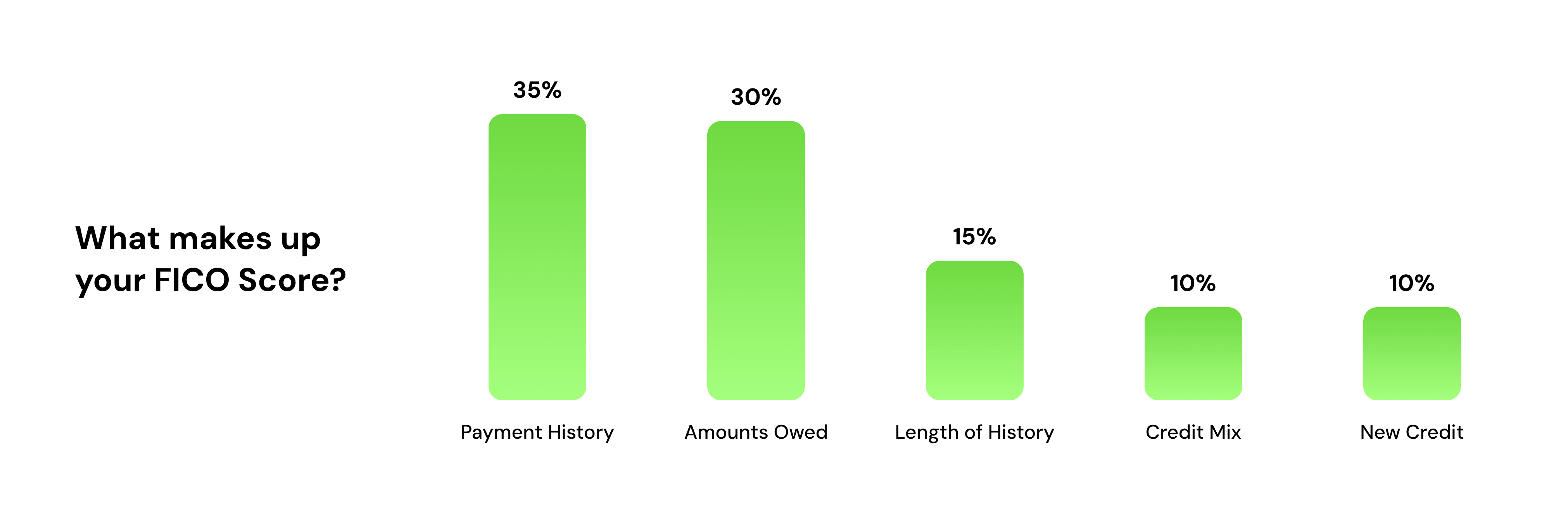
But while a month of low balances helps right now, your payment history is what carries more weight and builds month over month.
So keep paying on time while you work the balances down. And if your current cards aren't adding much history, the Kikoff Credit Account reports your on-time payments to all three credit bureaus. No hard credit check to open one, and plans start at $5 a month.
Frequently Asked Questions
Article Sources
Disclaimer: The information provided in this blog post is meant for informational purposes only and does not constitute financial advice.