


.jpg)


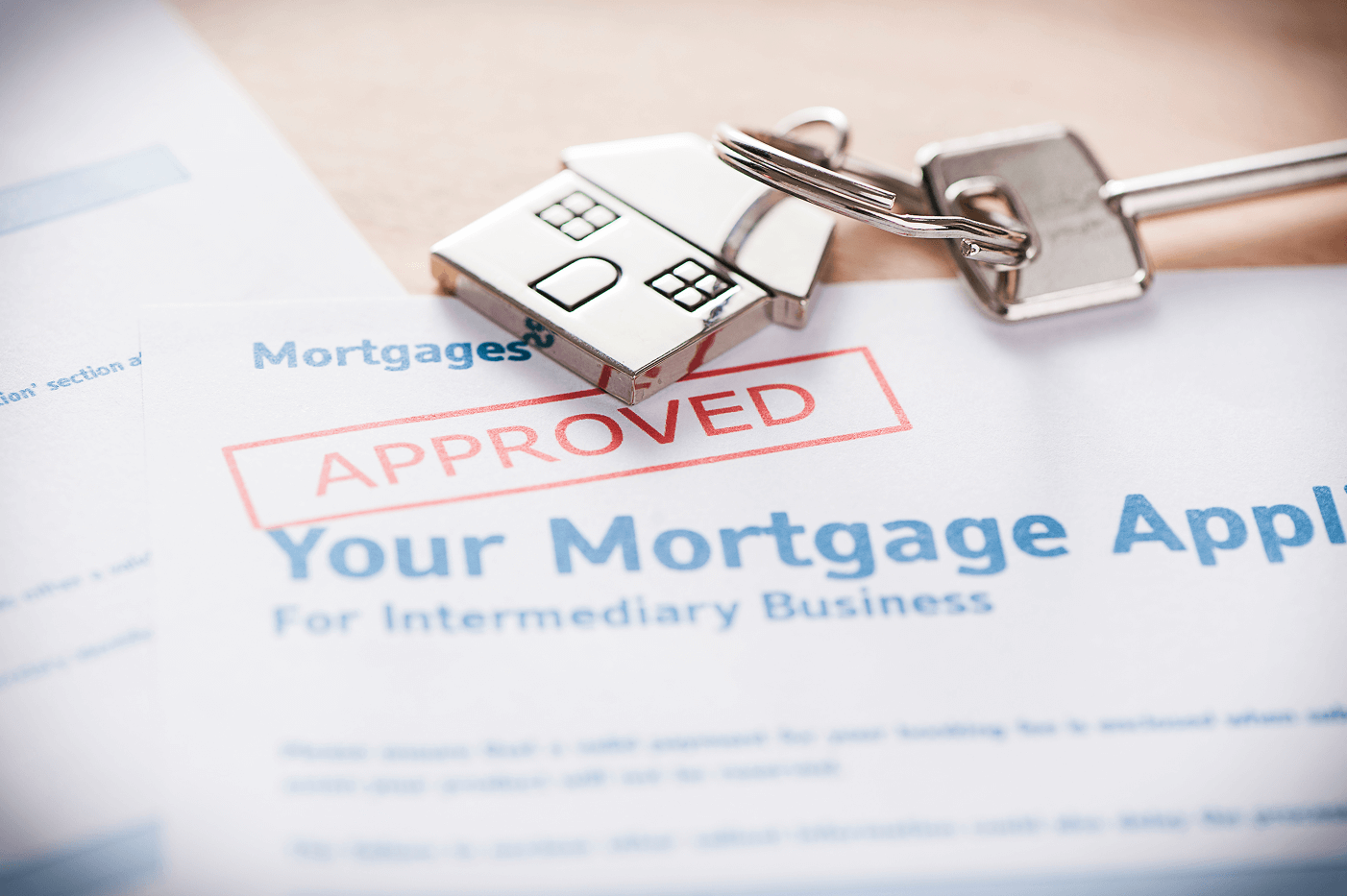
Ready to start shopping for a home? One of your first steps is to apply for a mortgage pre-approval. Many sellers require a pre-approval letter before they will let you view their homes.
The good news is that the process is relatively easy. Learn how to get mortgage pre-approvals so you can start your homebuying journey.
How to get a mortgage pre-approval
Here’s a basic rundown of what it takes to get pre-approved for a mortgage:
- Choose a potential lender, whether a bank, credit union, or mortgage specialist
- Complete a pre-approval application
- Submit personal identification and financial documents
- Authorize a credit check
The lender will evaluate your income, debt, assets, and credit history. If the lender believes you are qualified to take out a mortgage, you’ll receive a pre-approval letter. This letter will state the amount you may be eligible to borrow.
Getting a mortgage pre-approval early in the homebuying process will help you:
- Understand your price range
- Strengthen your offer
- Avoid surprises during the underwriting process
- Lock in competitive rates when the time comes
You must provide accurate information so that the lender can make an informed decision.
Pre-approval vs. pre-qualification
Many people confuse these “pre-approval” and “pre-qualification,” but they mean very different things. You can get pre-qualified for a financial product, including a mortgage, just by self-reporting your information. The lender won’t run a hard credit check or look at your financial records.
To get pre-approved, you’ll have to go through a more detailed process. Most lenders run a hard credit inquiry, and they will request proof of income, such as pay stubs.
What you need to get pre-approved
When you’re learning about how to get mortgage pre-approvals, one of the most important things is making sure your documents are ready. Here’s what you’ll need.
Proof of income (pay stubs, W-2s, tax returns)
For most borrowers, providing proof of income is the most tedious part of the pre-approval process. Your lender might ask for:
- Pay stubs for the previous month
- W-2s for the previous two years
- Tax returns for the previous two years
Some lenders may require additional pay stubs and financial documents, especially if your income is less stable.
Bank statements and assets
Bank statements are always required when applying for a mortgage, as is a list of your assets. Lenders use this information to assess your ability to close the loan and pay the mortgage.
Some lenders require you to provide these documents before issuing a pre-approval. Others may not ask for them until it’s time to finalize your mortgage.
Employment verification
The lender will reach out to your employer to verify that you work there. They will confirm how many hours you work per week or pay period, as well as your pay rate. You will need to sign an authorization form before a lender is allowed to contact your employer.
Credit check authorization
Lenders are required to obtain a credit check authorization before running a hard inquiry. You should be able to sign this form electronically. Review it carefully to make sure all of your information is correct, including your Social Security number and date of birth.
Credit score requirements for mortgage pre-approval
Here’s a closer look at the role your credit score plays in the pre-approval process:
Minimum score by loan type
The minimum credit score will vary based on the mortgage type. Typical score requirements are as follows:
- Conventional Loan: 620 or higher
- FHA: At least 580 to qualify for 3.5% down payment, or as low as 500 with a higher down payment
- VA loans: No official minimum, but many lenders prefer 620 or higher
- USDA loans: Typically 640 or higher
Although you might be able to get a loan as long as you meet the minimum threshold, you’ll need a higher score to qualify for the best rates.
How your credit affects your interest rate
Mortgage interest rates vary based on overall economic factors, as well as your financial history. If you have exceptional credit, you’ll qualify for a better rate than you would with average credit.
How to improve your score before applying
If your score needs work before you apply for a mortgage or start shopping for a home, focus on:
- Paying down credit card balances and other debts
- Making payments on time
- Avoiding new credit applications
- Checking your report for errors
Building your score is a long game. There are no shortcuts. Be patient and exhibit consistent positive behavior over time.
How long mortgage pre-approval takes
The mortgage pre-approval process is relatively quick, but there can be stumbling blocks along the way. Here’s what you can expect.
Typical timeline
If you have all of your documents in order, you could get pre-approved on the same day you apply. Otherwise, it may take a few days. The timeline largely depends on how long it takes you to gather the required documents.
What can delay approval
Most delays are linked to missing documents. A lender won’t issue a pre-approval until it receives every document that it has requested. Other delays could be due to holidays or weekends. For example, if you apply online on a Sunday, you won’t hear back until the business reopens.
How to improve your chances of getting pre-approved
Getting denied for a mortgage pre-approval can be frustrating, especially if you are ready to find your dream home. The good news is you can take a few steps to increase your odds of approval.
Lower your debt-to-income ratio
Lenders review your debt-to-income (DTI) ratio to calculate how much you can afford in monthly mortgage payments. Different loan types have different DTI ratio limits. If you are above the threshold, you won’t be approved. Lowering your DTI by paying off debt can help you qualify for a more expensive home.
Increase your savings
Building up your savings will position you as a responsible borrower who manages their money well. It will also serve as evidence that you can afford a down payment and closing costs.
When you’re saving, make sure to account for all of the out-of-pocket expenses that come with buying a home, such as inspections, loan origination fees, and appraisal fees. These costs are separate from your down payment.
Build your credit before applying
The best move you can make is to build your credit score. This means paying bills on time and taking advantage of the positive activity you are already exhibiting. You can do this by reporting rent payments with a service like Kikoff.
Conclusion
Getting pre-approved is a fast process once your paperwork is together, sometimes same-day if nothing is missing.
Gather your pay stubs, W-2s, tax returns, and bank statements before you apply, since missing documents are what stalls most applications. Then focus on the two things lenders weigh alongside your credit, which are your debt-to-income ratio and your savings.
Building your credit is the slow part of this timeline, so it's worth starting well before you plan to shop.
Kikoff gives eligible users rent reporting and access to a Kikoff Credit Account with no hard credit check to sign up, with monthly payments reported to all three credit bureaus.
Build credit with Kikoff and strengthen your profile before the lender pulls it.
Frequently Asked Questions
About the editor

Disclaimer: The information provided in this blog post is meant for informational purposes only and does not constitute financial advice.