.jpg)



If you bought your home when interest rates were high (or when you didn’t qualify for a better rate), refinancing your mortgage might save you money. With a refinance, you could lock in lower monthly payments or otherwise change the terms of your loan to benefit you.
However, mortgage refinances aren’t free. How much does refinancing a mortgage cost? And is that cost worth it? We’ll help you find the answer.
How much does refinancing a mortgage cost?
Most mortgage refinances cost between 2% and 6% of the new loan amount. For example, suppose that you have $200,000 left on your mortgage and are looking into refinancing it. You can expect to pay between $4,000 and $12,000 in closing costs.
These closing costs vary quite a bit because they don’t include just one single fee. When you refinance a mortgage, you’ll pay several smaller fees.
Use a mortgage calculator to estimate your new monthly payment and compare it to your current one.
Common refinancing fees
Here’s a look at some of the fees that often come with refinancing a mortgage:
Application fee
You’ll have to pay an application fee just to have the lender review your request. This fee can cost up to $500, and it may or may not be refundable. However, if you apply through your current mortgage lender, the lender might waive the fee for you.
Origination fee
An origination fee (sometimes called an “underwriting fee”) is what the lender charges to prepare your new loan. Most lenders will charge $300 to $500.
Appraisal fee
Before a mortgage lender offers you a new loan, they need to know how much your home is worth. Typically, the lender will pay an independent real estate appraiser to value your home. Most appraisal fees are $300 to $500. However, if your property is very large or in some way unique, you might pay more.
Title search and insurance
Lenders also need to make sure there are no issues with your home’s title. A title search looks for tax liens, ownership disputes, or anything else that could interfere with a new mortgage. The lender will also take out title insurance to protect themselves from any mistakes made during the title search, passing this cost on to you.
Title searches and title insurance can be expensive, depending on how complicated the property records are. Expect to pay between $300 and $2,000.
Credit report fee
The lender may charge you for a comprehensive credit report. This can cost up to around $100.
Recording fee
Your local government may charge a recording fee to document the new mortgage. Recording fees vary widely by jurisdiction, but they’re usually between $20 and $300.
How interest rates affect refinancing costs
The list of refinancing fees might look daunting. But while these fees can add up to a big number, the new interest rate is just as important.
Lower rates can save money even with fees
If you are able to refinance your mortgage at a much lower rate, you’ll pay less over time. Your monthly payments may be smaller, too. Paying a few thousand dollars in fees might sound like a lot now, but if it saves you tens of thousands down the line, it’s worth it.
When refinancing isn’t worth it
Refinancing your mortgage doesn’t guarantee that you’ll pay less. If current mortgage rates are higher than the rate you have now, you’ll lose money through a refinance.
To decide whether it’s worth it to refinance your mortgage, add up your total potential monthly savings over how long you expect to stay in the home. If the closing costs are greater than your savings, consider waiting to refinance until rates go down.
Ways to reduce refinancing costs
If you think the cost of refinancing your mortgage is a little steep, you’re not alone. Fortunately, you may be able to lower those costs. Here are a few strategies.
Shop multiple lenders
When you’re shopping around for a mortgage, it’s a good idea to get pre-approvals from multiple lenders. The same is true when you’re trying to refinance. Always compare rates before you commit!
Negotiate or waive certain fees
When you’re refinancing a mortgage, some fees are negotiable. Fees that the lender charges you directly (like origination, application, and underwriting fees) are more likely to be negotiable.
Consider rolling costs into the loan
Paying several thousand dollars to refinance might not be practical for you, but some lenders will roll your costs into the loan. You’ll still have to pay closing costs, but you can avoid having to make a large lump-sum payment.
How to prepare your credit for refinancing
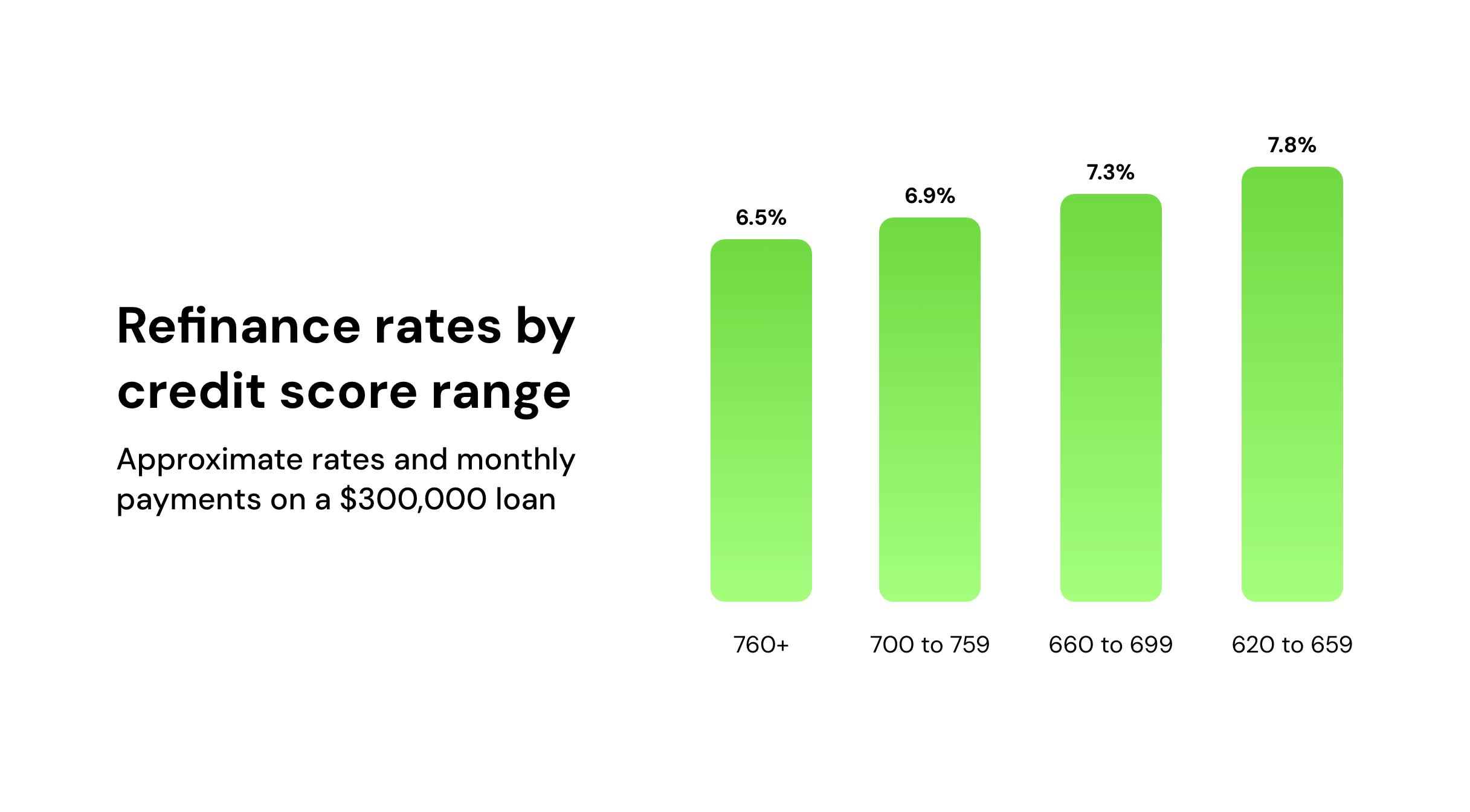
How much does refinancing a mortgage cost? It depends on the lender and the size of the loan, among other things. Additionally, whether you can save money by refinancing depends on the new interest rate. And the higher your credit score, the lower that interest rate is likely to be.
Before you start shopping around for refinancing deals, get a copy of your credit report and check your score. Most lenders look for a score of at least 620, but you’ll qualify for better rates if your score is higher.
If you’re using more than 30% of your available credit, paying down debt may boost your score significantly. You should also avoid applying for new credit right before you refinance.
Finally, check your credit report for errors or inaccuracies. If you see any, dispute them before you refinance!
Conclusion
Refinancing generally costs between 2% and 6% of the new loan amount, which is real money but not the whole calculation.
What matters is whether your monthly savings outpace those closing costs over the time you plan to stay in the home. If they don't, waiting for better rates is usually the smarter move.
Your credit profile drives the rate you're offered, so it's worth checking your report and paying down balances before you shop lenders.
Kikoff gives eligible users free dispute tools and access to a Kikoff Credit Account with no hard credit check to sign up, with monthly payments reported to all three credit bureaus.
Build credit with Kikoff and strengthen your profile before you refinance.
Frequently Asked Questions
About the editor

Disclaimer: The information provided in this blog post is meant for informational purposes only and does not constitute financial advice.