



Getting to a 700 credit score is one of the most meaningful milestones in your credit journey, and for many people, it's closer than they think.
Whether you're prepping for a mortgage application, trying to qualify for a better car loan, or just want to unlock better financial options, hitting 700 opens a lot of doors.
The good news is that with the right moves, some people can see meaningful gains in as little as 30 days.
Let's jump in.
Can you really get a 700 credit score in 30 days?
The honest answer is: it depends on where you're starting from.
If your score is already in the mid-to-high 600s, a focused 30-day push can absolutely get you across the 700 threshold, especially if there are quick wins available like high utilization or a recent error on your report.
If you're starting from the low 600s or below, 30 days may not be enough to reach 700, but the strategies here will put you on the fastest possible path.
The fastest ways to raise your credit score toward 700
Payment history and credit utilization together account for 65% of your FICO score, which means they're the single most impactful levers you can pull right now.

Pay down your credit card balances
Credit utilization is effectively the percentage of your available revolving credit that you're currently using: balance divided by credit limit, multiplied by 100.
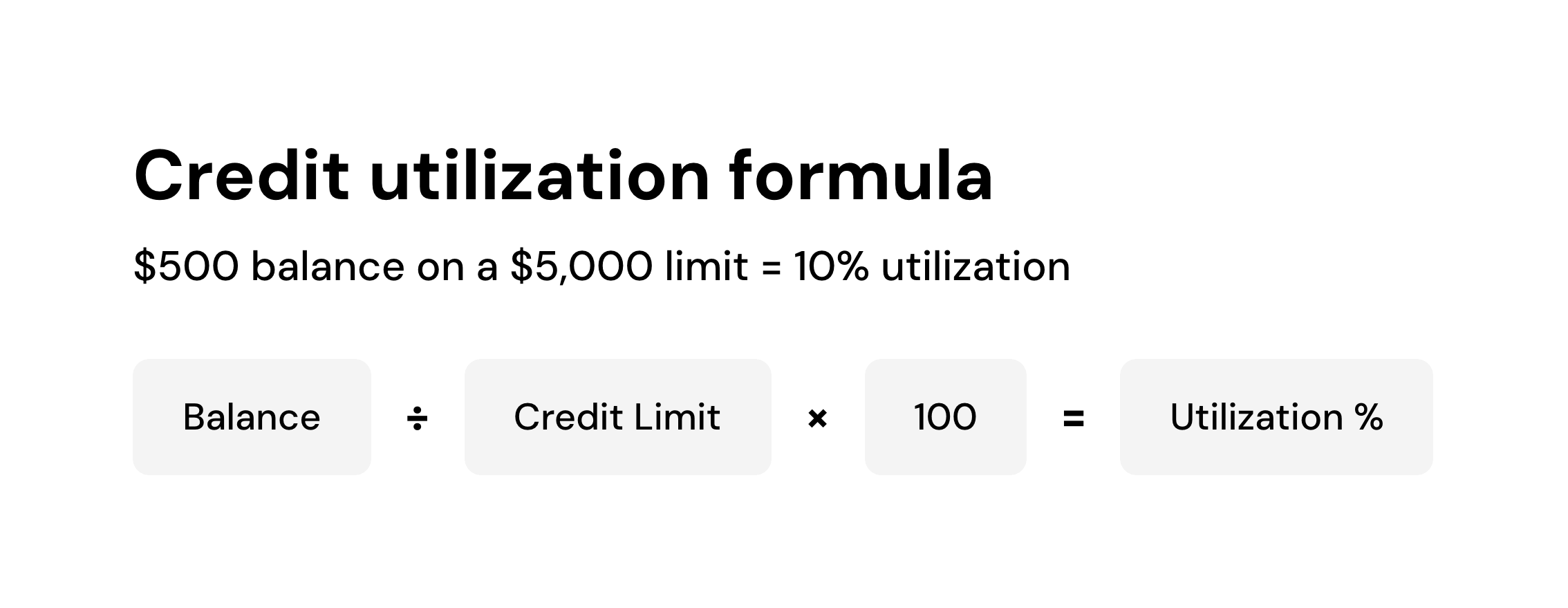
Keeping utilization below 30% is generally considered the healthy zone, and getting it under 10% is where you'll see the strongest positive impact on your score.
This is one of the fastest changes you can make because utilization is recalculated every billing cycle, meaning a paydown today could be reflected in your score within 30 days once your issuer reports the new balance.
Dispute any errors on your credit report
Errors on credit reports are more common than most people realize, and a single inaccurate negative mark could be the difference between your score sitting at 680 and crossing 700.
If you spot something wrong, you can dispute credit report errors directly with the bureau, or use a tool like Kikoff to manage the dispute process more efficiently.
Successful disputes that remove negative items can result in a meaningful score jump within 30 to 45 days, sometimes faster.
Ask for a credit limit increase
Requesting a credit limit increase on an existing card is one of the most underused quick-win strategies for lowering your utilization without paying down a dollar of debt.
Many issuers allow you to request an increase online or by phone, and some will approve it with only a soft inquiry, which means no impact to your score.
Make sure all current accounts are paid on time
Payment history is the single most important factor in your credit score, making up 35% of your FICO calculation.
Setting up autopay for at least the minimum payment on all your open accounts is a no-brainer step to protect your score while you work on the rest.
Become an authorized user on a strong account
If you have a family member or close friend with a long-standing credit card that has low utilization and a perfect payment record, asking to be added as an authorized user can transfer a portion of that account's positive history to your credit file.
Results can show up on your credit report within one billing cycle, making this one of the faster moves available to you.
Open a credit account to add positive payment history fast
If you don't have many accounts actively reporting, adding a new credit account designed specifically for credit building can accelerate the positive data flowing to the bureaus.
Kikoff offers a credit account that reports to all three major bureaus and is designed to target the key scoring factors that move your credit most, mainly payment history and credit utilization.
What not to do when chasing 700
Don't apply for multiple new credit cards at once
Every credit card application generally triggers a hard inquiry, which can shave a few points off your score immediately. Applying for several cards in a short window compounds that impact.
Don't close old accounts
Closing old accounts can hurt two things at once: your length of credit history and your overall available credit. Keep old accounts open and occasionally make a small purchase on them to prevent the issuer from closing the account due to inactivity.
Don't max out your cards
Maxing out a card, even temporarily, can send your utilization through the roof and immediately tank your score. If a large purchase is unavoidable, try to pay it down before the statement closes so the high balance never gets reported to the bureaus.
How long does it actually take to reach 700?
For someone starting in the high 600s, 30 days is a realistic window if they knock out the fast wins above, particularly a utilization paydown or a successful dispute.
For someone starting in the low-to-mid 600s, a more realistic timeline is 60 to 90 days of consistent, focused action.
Conclusion
Reaching a 700 credit score is absolutely achievable, and in some cases, 30 days is all it takes if you focus your energy on the right factors.
Start by lowering your utilization, checking your report for errors, and making sure every account is current.
If you're looking to add consistent positive data to your credit file fast, Kikoff is a simple, low-cost way to get a credit account reporting to all three bureaus from day one. Build credit the smart way with Kikoff.
Frequently Asked Questions
About the editor

Disclaimer: The information provided in this blog post is meant for informational purposes only and does not constitute financial advice.