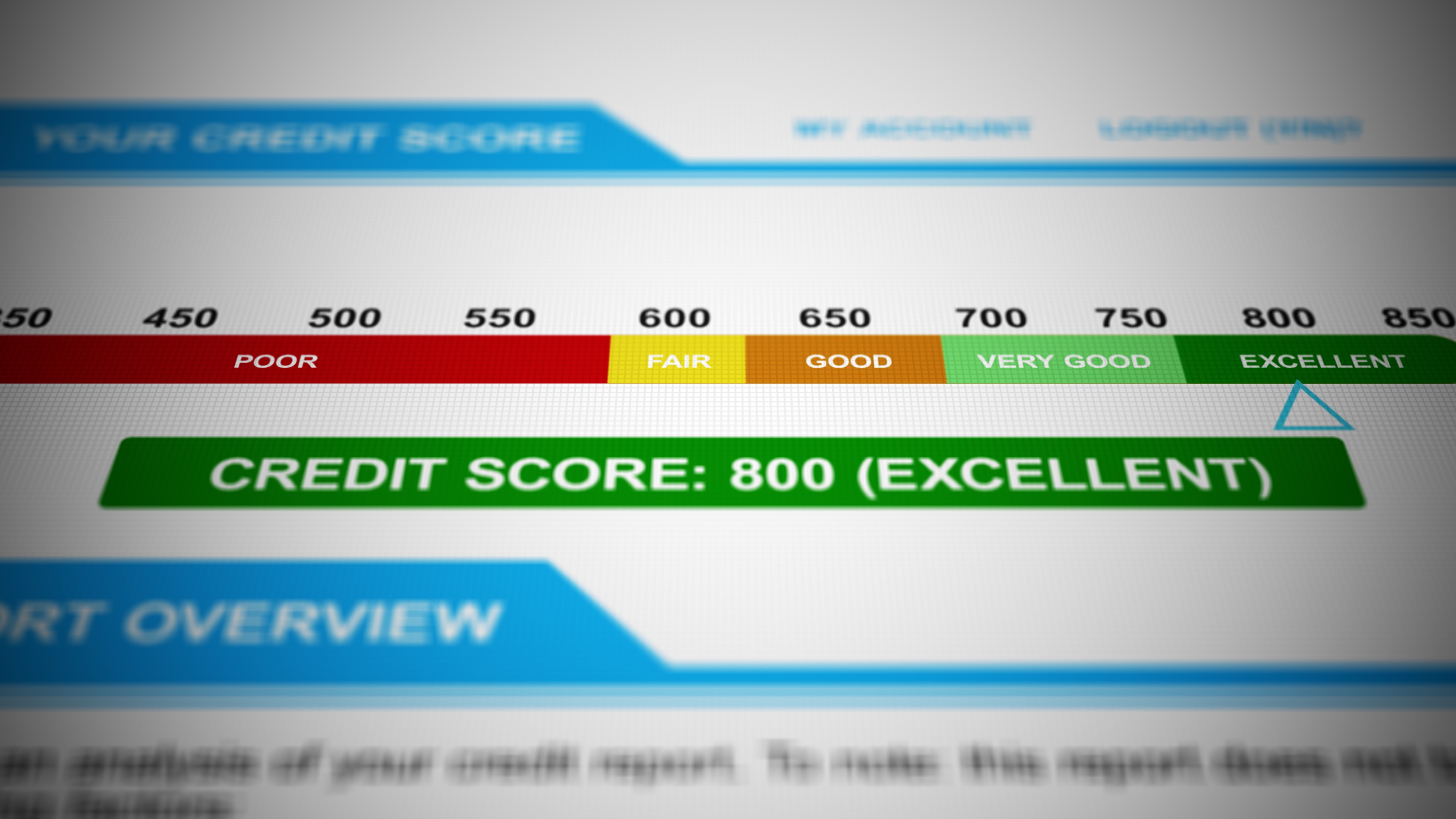
About 54 million U.S. adults (roughly 1 in 5) have a FICO Score of 800 or higher, according to a Kikoff analysis of Experian’s June 2026 credit data. That’s 22.9% of consumers with a credit score. Only about 4 million (1.71%) have a perfect 850 FICO Score.
Why does this matter? A FICO Score of 800 or higher can help you qualify for a lender’s lowest interest rates, so borrowing costs you less.
Read more >> What Are Credit Scores?
What percentage of Americans have an 800 credit score?
Experian, one of the three major credit bureaus, analyzed FICO Score 8 data from June 2026 and found that 22.9% of consumers with a credit score have a FICO Score of 800 or higher. FICO says its scoring models are used by 90% of top U.S. lenders, with FICO Score 8 among its most widely used.
Older adults are likelier than any other generations to have an 800+ FICO Score, but the bigger story is the group just below them: people with a “very good” FICO Score (740 to 799), the largest share of any range. That’s an estimated 65 million adults, based on Kikoff’s analysis. If you’re one of them, 800 may be just a step, not a leap.
One heads-up: The score you see in a financial app may be a VantageScore, a different scoring model from the FICO Score many lenders use, which means it may not line up exactly with these ranges.
Want to see how your own credit stacks up? Kikoff’s Credit Monitoring keeps tabs on your credit, so you know where you’re starting from. Credit monitoring is included in every Kikoff plan.
Read more >> What Is a Good Credit Score?
How rare is a perfect 850 FICO Score?
An 850 is about as rare as credit gets. Just 1.71% of scored consumers, fewer than 2 in 100, have a perfect 850 FICO Score, according to Experian’s June 2026 data. That’s about 4 million adults, based on Kikoff’s analysis.
People with an 850 have the same habits as the 800+ FICO Scores crowd, just taken a little further. According to Experian, they use about 4% of their available credit versus 29% for all consumers. They average 5.6 credit cards versus 3.9 cards for all consumers, with zero payments reported late on their reports.
FICO puts every score from 800 to 850 in the same top “exceptional” range, so an 850 may not open many doors an 800 doesn’t.
Read more >> How to Get an 850 Credit Score
Is an 800 credit score more common than it used to be?
Yes, it’s slowly becoming more common. The share of consumers with a FICO Score of 800 or higher rose from 19.5% in 2016 to 22.9% in 2026, up 3.4 percentage points, according to Experian.
FICO’s numbers point the same way: a record 48.1% of consumers now have a FICO Score of 750 or higher. But the national average FICO Score went the other way, dipping to 714. FICO ties much of that dip to missed student loan payments showing up on credit reports again.
Taken together, the numbers point to scores spreading apart, which is why good credit habits matter more than ever.
Who has an 800 credit score?
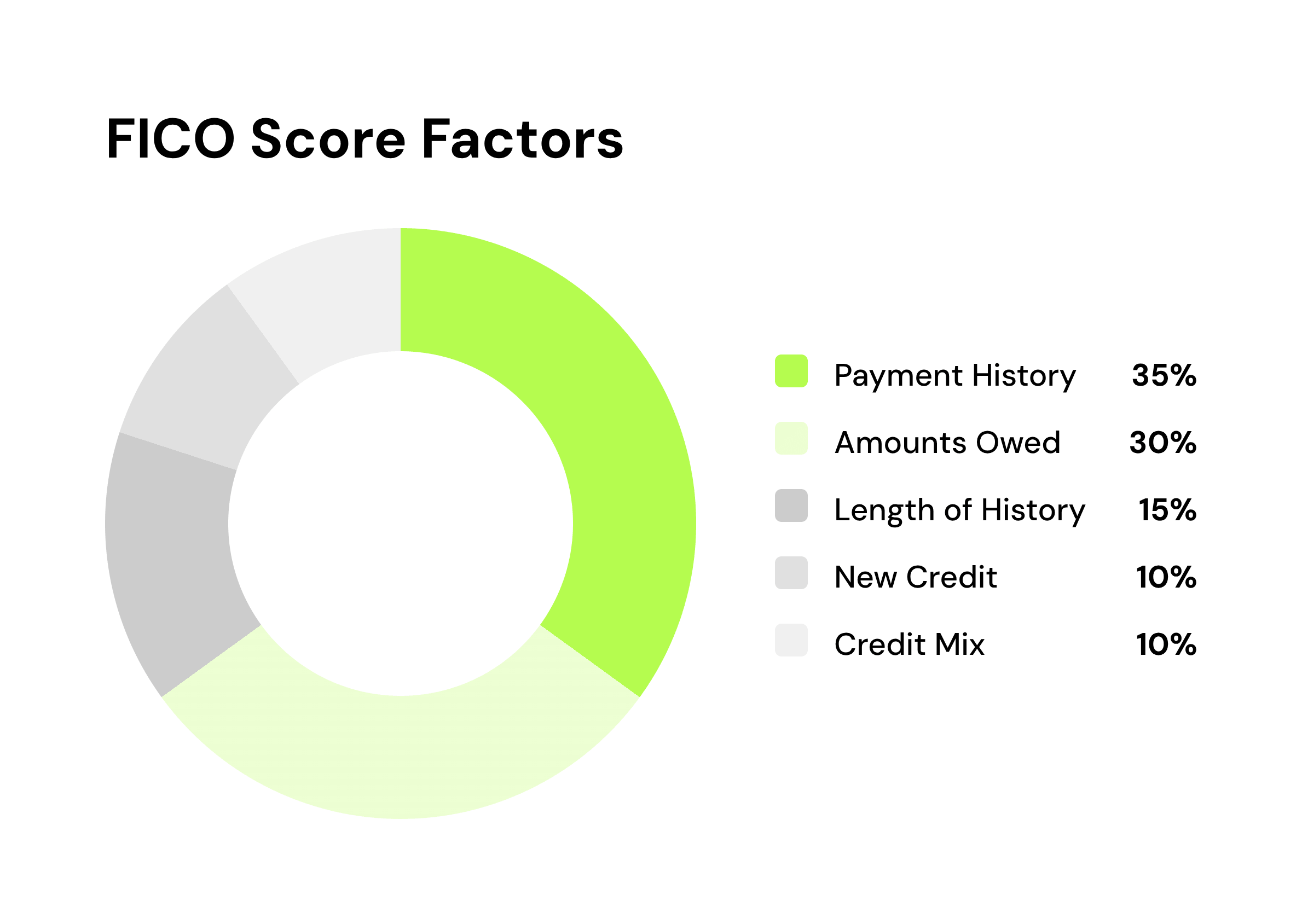
The answer is that it’s generally older adults, and mainly because they’ve had more time. The length of your credit history is one of the factors scores weigh, and there’s no shortcut for time.
Put another way, fewer than 1 in 20 Gen Zers have a FICO Score of 800 or higher, according to Experian. Compare that with about 1 in 6 millennials, about 1 in 4 Gen Xers and more than 1 in 3 baby boomers. Gen Z’s average FICO Score of 678 already falls in FICO’s good range (670 to 739). If that’s you, you’re not behind, just early.

Which states have the highest share of 800+ FICO Scores?
Minnesota leads, with 32.2% of consumers at a FICO Score of 800 or higher, and Mississippi has the lowest share, at 13.7%, according to Experian.
What do people with 800+ FICO Scores do differently?
Two things, mainly. They use a small slice of their available credit, and they rarely, if ever, pay late.
People with FICO Scores of 800 or higher tend to have more credit cards than others, but they don’t lean on them much. Their balances take up about 7% of their limits, compared with 29% for all consumers. That share, called your credit utilization, is one of the bigger factors in your score.
They also rarely pay late, averaging 0.01 accounts ever reported late versus 1.63 for all consumers. Payment history carries more weight in your score than any other factor, so every on-time payment counts.
The good news is that both habits are in your control. Paying down balances before your statement closes is a good place to start.
Read more >> How to Lower Your Credit Utilization
If paying down balances feels out of reach, the National Foundation for Credit Counseling can connect you with free or low-cost debt counseling at 800-388-2227.
What does an 800 credit score get you?
In a nutshell: cheaper borrowing. The median personal loan APR (annual percentage rate, or the yearly cost of borrowing) offered was 13% for people with exceptional FICO Scores (800 to 850) versus 19% for people with good FICO Scores (670 to 739), according to Experian. On a $10,000 fixed-rate loan repaid over three years with no fees, that’s about $30 more a month, or roughly $1,070 more in interest over the life of the loan.
Still, you don’t need an 800 for solid credit offers from lenders. A FICO Score in the good range (670 and up) can open plenty of doors on its own.
Read more >> 7 Ways to Improve Your Credit Fast
Bottom line
About 1 in 5 U.S. adults has a FICO Score of 800 or higher, and the habits that get people there are low balances and on-time payments. Your credit affects more than whether you’re approved. It also shapes the rate you’re offered, so the history you build before you apply counts. Kikoff’s Credit Account reports your on-time payments to all three credit bureaus, with no credit check to sign up. Plans start at $5 a month.
Methodology: How we estimated the numbers
Experian publishes the share of consumers in each FICO Score range, but not how many people that represents. To estimate a head count, we started with the U.S. Census Bureau’s estimate of 269.8 million U.S. adults as of July 2025. We narrowed that to the 87.5% of adults the Consumer Financial Protection Bureau estimates had a scored credit record in 2020, about 236 million people. We then applied Experian’s June 2026 shares for each FICO Score range. That gives about 54 million adults with a FICO Score of 800 or higher (22.9% of scored consumers), or roughly 1 in 5 U.S. adults, and about 4 million with a perfect 850 (1.71%). Experian’s data uses FICO Score 8, which FICO says is the version most widely used by lenders. Headcount estimates are rounded to the nearest million. All figures were confirmed in October 2026.
These are estimates. The sources cover different years (2020 to 2026), and Experian’s data reflects its own credit files, so the numbers won’t line up perfectly with the full U.S. population. Other scoring models, including VantageScore, may place the same person in a different range. Kikoff publishes this site, and Kikoff products appear in this article, but this analysis uses only public data from Experian, FICO, the Census Bureau, and the CFPB. It doesn’t use any Kikoff customer data.
Frequently Asked Questions
Article Sources
Disclaimer: The information provided in this blog post is meant for informational purposes only and does not constitute financial advice.