






If your Halloween candy run felt pricier this year, it wasn’t your imagination. You’ve probably felt it at the gas pump and local diner too. Over the 12 months ending in September, gas prices rose 34.2%, restaurant meals rose 3.5%, and prices overall rose 3.7%, according to the Bureau of Labor Statistics.
At 1.8%, grocery prices rose more slowly. Your Halloween stash, however, didn’t get that same break: Candy and chewing gum prices jumped 7.7%, more than four times the rise in groceries overall.
That stings, especially when most people plan to spend about the same as last year on “spooky season.” But the price tag isn’t the whole story: If that candy goes on a credit card that already carries a balance, the interest can cost more than the price increase itself.
Why this year’s candy budget won’t stretch as far
Your Halloween budget probably looks a lot like last year’s. Shoppers expect to spend an average of $115.14 each on Halloween, nearly the same as $114.45 last year, according to the National Retail Federation. With candy prices up 7.7%, a flat budget buys fewer chocolates and caramel chews.
And candy is the one Halloween purchase almost nobody skips. NRF found that 96% of shoppers plan to buy it, for a total of $4.1 billion. Costumes ($4.4 billion) and decorations ($4.3 billion) cost more in total, but fewer people buy them, so candy is the price bump nearly every household runs into.
If you’re already comparison shopping, you’re in good company. When prices run higher than expected, 31% of shoppers say they’d shop around to compare prices, and 26% say they’d look for coupons or sales, NRF found. Those habits can trim a few dollars at the register, but how you pay can end up mattering more than where you shop.
Read more >> How Much Should I Spend on Groceries Each Month?
Check the unit price, not the bag. Fun-size can be the priciest size per ounce, and the unit price also catches shrinkflation: a bag that drops from 11 ounces to 10 at the same price costs you more per ounce.
Say a 10-ounce bag is $4.99 and a 30-ounce bag is $11.99. That’s about 50 cents an ounce versus 40, so three small bags would cost about $3 more for that same candy. Find the unit price on the shelf tag, or divide the price by ounces. It takes seconds to learn whether bigger is cheaper.
How you pay can cost more than the candy
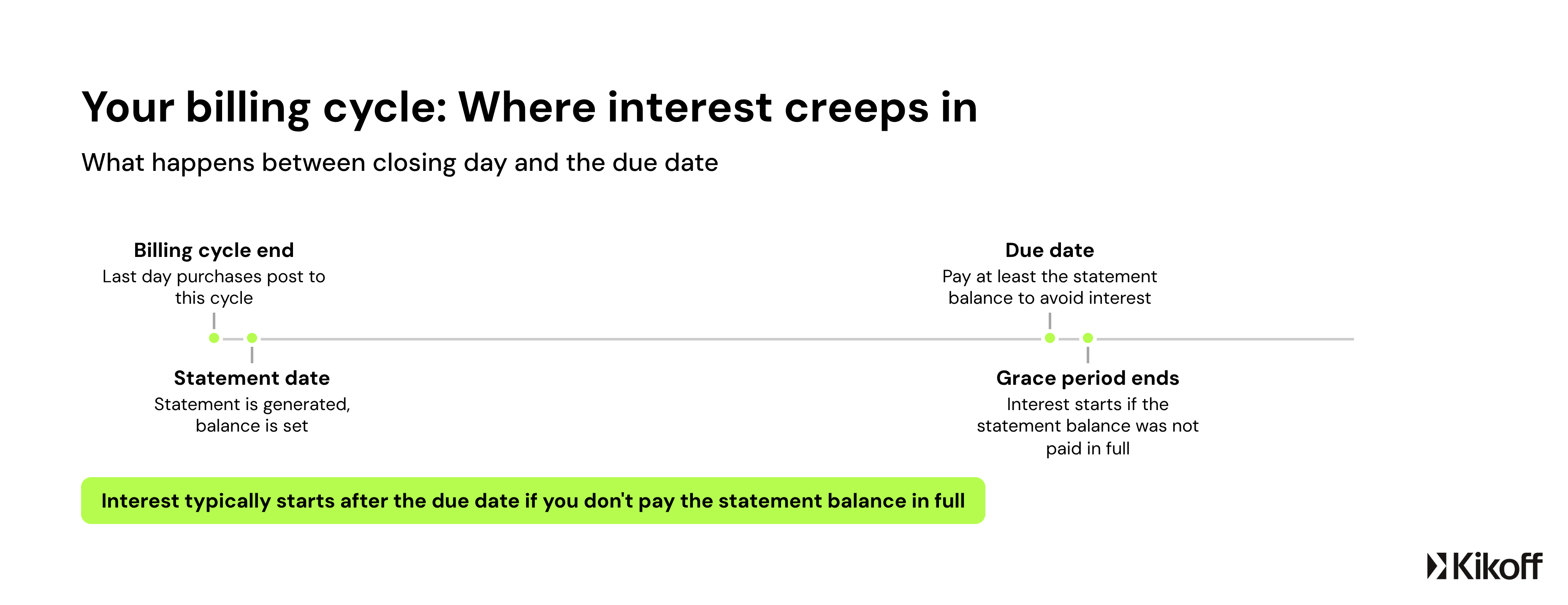
This is where a credit card comes in, and it’s the part most candy price stories skip. Whether your candy collects interest comes down to your grace period, the window between the end of your billing cycle and your payment due date. If your card has one and you’re not carrying a balance, you can avoid interest on new purchases by paying your balance in full by your statement’s due date.
Already carrying a balance? Then that cushion usually disappears, and interest on new purchases typically starts the day you make them. So the bag of candy you grab now starts adding interest right away.
One thing to watch for: Paying in full some months and not others can cost you the grace period for the month you don’t pay in full and the month after. If you’ve been on and off, assume you don’t have it until you check.

Running the numbers on a $50 candy run
Put real numbers on it, and the difference is easy to see. The average interest rate on credit card accounts that are charged interest is 22.36%, according to the Federal Reserve.
Here’s what that rate means for a $50 candy budget carried on a card for a year.
That's about three times more in interest than the price increase itself, and it keeps climbing for as long as the balance sits there. Most cards compound interest, so your actual cost could run a little higher. You'll find your own rate on your monthly statement. It depends partly on your credit, so two people can pay very different amounts for the same bag of candy.
Read more >> What Is a Grace Period on a Credit Card?
Halloween is the first bill of the season
Eleven dollars of interest on candy is easy to shrug off. But like leftover candy, a carried balance tends to stick around long after Oct. 31. And Halloween is only the first purchase in a stretch that runs through Thanksgiving and December.
Halloween shopping starts earlier than it used to. About half of shoppers (49%) planned to start in September or earlier, up from 34% in 2016, NRF found. Among those early shoppers, 23% say they buy early to spread out their budget.
That’s a smart instinct, as long as the spreading doesn’t happen on a card that’s already charging interest. Americans held $1.263 trillion in credit card debt as of mid-2026, according to the New York Fed. Balances actually grew more slowly than usual from April through June. Still, anything that goes on a carried balance now picks up interest through the rest of the season.
Before the first bag of candy, take five minutes to sketch out the whole season: Halloween, holiday meals, gifts, and travel. Rough numbers are fine: They’ll help you decide what goes on which card and what comes out of checking instead.
Read more >> How to Avoid Credit Card Interest
When rewards don’t cover the markup
You’ve probably seen advice out there to make your holiday purchases on a rewards card. It’s a clever strategy, but only if you can comfortably pay the balance in full. Once interest kicks in, it usually eats into any rewards and then some.
Here’s the same $50 candy run, with the same simple-interest math, on a card that pays 2% cash back.
Even a 0% promo card can cost you more than you’d expect. Carrying a promotional balance can cause you to lose your grace period on new purchases, the CFPB warns. So candy bought on that card can start collecting interest at the regular rate, even while the promo balance doesn’t.
Read more >> What Are the Fees and Costs of Using a Credit Card?
How to keep the markup off your card
None of this means skipping the candy bowl. Between what you buy and how you pay for it, a few minutes before you shop can keep the markup at $0.
- Take a quick look at your last statement. If you paid the full statement balance by the due date, you likely still have your grace period. Not sure? Call the number on your card and ask, “Do I have a grace period on new purchases right now?”
- Use cash or debit if your card carries a balance. It keeps new purchases from adding interest while you pay down what’s already there.
- Compare your cards if you need to use credit. Your rate is printed on your statement. If you have more than one card, put Halloween on the one with the lowest rate, or on one with no balance.
- Set a candy cap before you go. Pick a number, like $20 or $30, and stick to it. If the bowl runs dry before the last trick-or-treater, it’s OK to turn off the porch light.
- Pay more than the minimum when you can. Every dollar you pay down stops collecting interest. Paying early in the cycle, not just by the due date, can also lower the balance your card company reports.
Read more >> Debt Snowball vs. Avalanche: How to Tackle Your Debt
If your card balance already feels hard to manage, talk with a nonprofit credit counselor for guidance specific to your situation. The National Foundation for Credit Counseling (NFCC) can connect you with free or low-cost debt counseling at 800-388-2227.
Bottom line
Candy costs more this year, but for many shoppers the bigger markup is interest on a card that already carries a balance. Hang on to your grace period, or use cash or debit until you get it back, and that markup stays at $0, so you can keep the porch light on longer without the candy costing more than it should.
The rate you’re offered matters too, and card companies set it partly by looking at your credit history. The Kikoff Credit Account reports your on-time payments to all three credit bureaus, so each month you pay on time adds to that history before next season’s bills arrive. There’s no credit check to sign up, and plans start at $5 a month.
Frequently Asked Questions
Article Sources
Disclaimer: The information provided in this blog post is meant for informational purposes only and does not constitute financial advice.