.jpg)



A credit card contains much more than a list of purchases. It shows how much you owe, when you need to pay, and how much you’ve paid in interest. You’ll also learn if anything on your account needs attention.
Learning how to read a credit card statement is important for protecting your financial profile and keeping your spending in check. People who don’t pay close attention to their monthly credit card statements could be at a greater risk of fraudulent charges and out-of-control spending.
It’s crucial to learn everything you need to know about this important document that you’ll receive each month, including how to read it and your financial obligations.
What is a credit card statement?
A credit card statement is a monthly summary of your account activity during the billing cycle. Your credit card issuer sends it by mail, electronically, or both. A statement typically includes the following:
- Your statement balance
- Minimum payment due
- Payment due date
- Purchases
- Credits and refunds
- Interest charges
- Fees
- Rewards earned
When you know how to read a credit card statement, it will be easier to catch errors and learn about important changes to your account.
Key sections of a credit card statement
When learning how to read a credit card statement, it’s important to recognize the various components of the document, which include several components.
Account summary
The account summary is like a snapshot of your account, including your current and previous statement balance, payments received, credits, purchases, and fees. This section helps you understand how your balance changed during the billing cycle.
Payment information
The payment section tells you what you need to know before making a payment. Look for the following:
- Minimum amount due
- Payment due date
- Statement balance
- Late payment warning
- Accepted payment methods
Paying on time protects your payment history and helps you avoid late fees. Whenever possible, pay more than the minimum payment so that you can reduce the total amount you pay in interest. If you can only pay the minimum, make sure you do so by the deadline so you can avoid any negative remarks on your credit report.
Transaction details
The transaction details list every transaction that was posted during the billing cycle. You’ll typically see:
- Purchase date
- Posting date
- Merchant name
- Transaction amount
- Credits or refunds
- Payments
Review every transaction carefully. Even small unfamiliar charges deserve attention because scammers sometimes test stolen credit card numbers with low-dollar purchases.
Fees and interest charges
Your statement will list fees and interest charges separately from your purchases. Common charges include:
- Interest on purchases
- Balance transfer interest
- Cash advance interest
- Late payment fees
- Returned payment fees
If you carry a balance on your card each month, use the fees and interest charges section to see how much it costs you to borrow that money.
Rewards summary
If your card earns rewards, this section tracks them. Depending on your card, you may see points earned, cash back earned, and rewards redeemed. Choosing a reward category that aligns with your purchasing habits can help you maximize your earnings.
Important notices and changes
Your card issuer is also required to notify you of any major changes to your account, such as changes to your interest rates or fee schedule. Read these updates so that you aren’t surprised by adjustments to your interest rate or APR.
How to read the minimum payment warning
Federal law requires card issuers to include a minimum payment warning on most statements. The notice will usually explain the following:
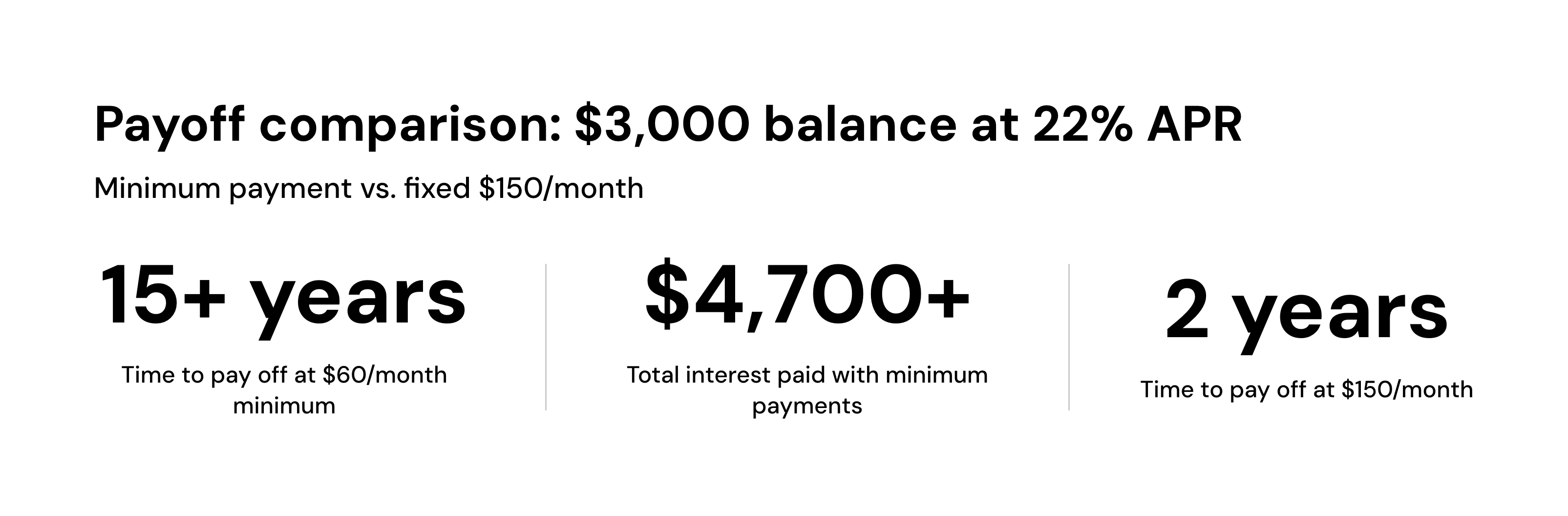
- How long it could take you to pay off your balance if you only make minimum payments
- How much interest you could pay over time
- How much you would need to pay each month to eliminate your balance faster
For example, if you have a large balance and only pay the minimum, it could take you several years to pay off the full amount plus interest.
What to look for when reviewing your statement
When learning how to read a credit card statement, you should focus on several elements to protect yourself from changing terms and conditions.
Unauthorized or incorrect charges
Compare every transaction with your recollection of spending. Look for purchases you don’t recognize or duplicate charges. Report any concerns to your credit card issuer right away. Make sure you reflect on your spending before reporting a charge as being fraudulent.
Interest rate changes
Check your annual percentage rate regularly. Your issuer may adjust your rate because a promotional period is ending or the terms of your account have changed. Variable interest rate changes are common with credit cards.
Due date and billing cycle
Always note your due date and billing cycle dates. You can sign up for auto-pay if you want to reduce the risk of missing a payment. Don’t forget to put extra toward your card balance so you can pay off interest sooner.
How often should you review your credit card statement?
Review your credit card statement every single month, even if you have a zero balance and haven’t used your card recently. Your issuer may still charge fees. Additionally, you want to look out for fraudulent or suspicious charges.
Credit card statement explained: What to do now
If you want to maintain a good credit profile or build a stronger score, make sure you pay all of your bills on time. Your payment history is one of the most important factors used to calculate your credit score.
If you want to build stronger credit, you can do so by adding positive payment history to your profile.
Kikoff, a user-friendly credit-building solution, is packed with tools designed to help you take control of your financial future. Our platform includes a variety of free and paid credit-building tools, including a free Kikoff account and an invite-only credit builder loan. Sign up today.
Frequently Asked Questions
About the editor

Disclaimer: The information provided in this blog post is meant for informational purposes only and does not constitute financial advice.