





An ITIN is enough to start a credit file. All three credit bureaus will build one, and many lenders accept an ITIN in place of a Social Security number.
If you've been told otherwise, or assumed the door was closed, you're in good company: It's one of the most common misunderstandings in this area, and it keeps people from building something they're entitled to build.
What did change in 2026 is worth knowing before you apply for anything major. The risks aren't where most people assume, and understanding them puts you in a better position than avoiding the subject altogether.
Can undocumented immigrants build credit in the U.S.?
Yes. You don't need to be a citizen or permanent resident to start a credit history here. What you do need is a way for lenders and credit bureaus to identify you. Depending on how you build credit, that could be:
- A Social Security number (SSN). The most widely accepted option.
- An Individual Taxpayer Identification Number (ITIN). A nine-digit tax ID issued by the IRS to people who need to file U.S. taxes but don't qualify for an SSN.
- No ID number at all. Some options, like using a rent reporting service, may only need your name and address.
Read more >> How to Build Credit From Scratch
Do you need a Social Security number to build credit?
No. While some lenders require an SSN on their credit applications, a growing number accept an Individual Taxpayer Identification Number (ITIN) instead.
For most undocumented immigrants, starting to build credit with an ITIN is the most practical place to start. The IRS issues ITINs to resident and nonresident aliens, their spouses, and dependents alike.
How to get an ITIN
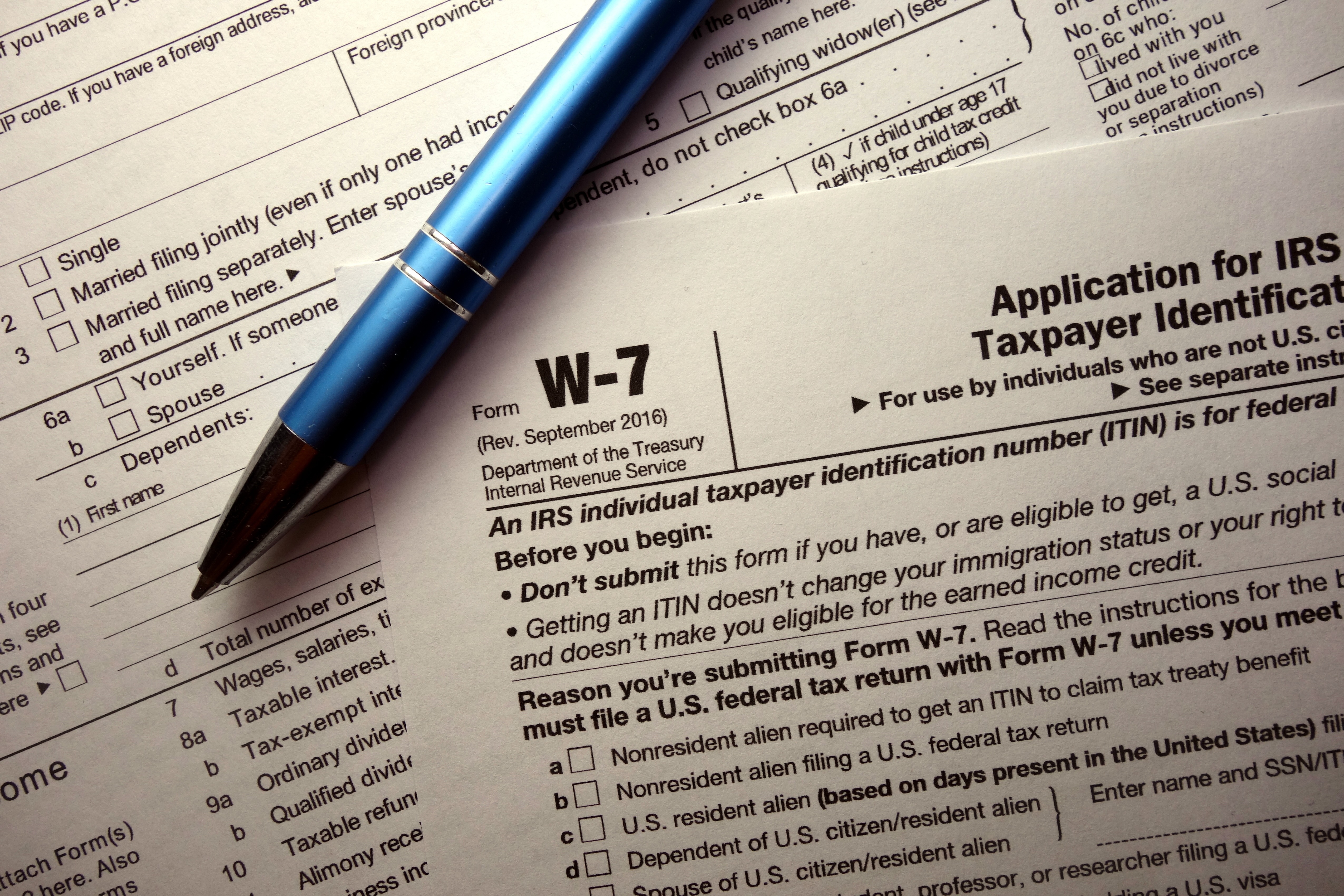
You can apply for an ITIN through the IRS using IRS Tax Form W-7. In most cases, you’ll submit the W-7 together with the federal tax return you need it for, plus documents that prove both who you are and that you're a foreign national, such as your passport.
There are three ways to apply:
- By mail. Send your completed W-7 and original identity documents (or certified copies from the issuing agency) to the IRS.
- In person. Visit an IRS Taxpayer Assistance Center, which can certify your documents so you don't have to mail the originals or obtain copies.
- Through a Certifying Acceptance Agent. This is a person authorized by the IRS to review your documents on the agency's behalf.
The IRS typically responds about your application within seven weeks of received. Allow nine to 11 weeks during peak tax season from January through April or if you submit your completed application from outside the U.S. The notice you get may assign your ITIN, ask for more information, or reject the application, so don't read a letter arriving as approval.
Read more >> What's the Difference Between ITIN and SSN?
A safer option than mailing originals. You don't have to send your documents to the IRS. An IRS Taxpayer Assistance Center can check them in person and give them straight back to you. Two things to know first: not every location handles ITIN applications, and you'll need an appointment. Check the list before you go.
5 ways undocumented immigrants can build credit
1. ITIN credit cards
Major lenders like Chase, Capital One, and American Express accept an ITIN in place of an SSN when you apply for a credit card. You still need to meet other criteria to qualify, like proof of income and a residential address.
Once you have a card, you can use it for small purchases and pay the balance off each month. Payment history accounts for 35% of your FICO Score. This makes on-time payments one of the most powerful habits for building good credit.

2. Secured credit cards
A secured credit card is backed by a cash deposit, which sets your credit limit. Many issuers offer limits between $200 and $500 for entry-level cards.
Because this deposit reduces the issuer’s risk, issuers may be more flexible on ITIN applications. After several months of responsible use and on-time payments, some lenders will upgrade you to an unsecured card and return your deposit.
3. Credit-builder accounts
A credit-builder account is built for people who are new to credit or working to improve their score. Some are installment loans, where your payments go into a savings account you collect at the end of the term. Others are revolving lines of credit, where you pay a small monthly amount each month. Either way, it’s the reported payments that build your credit.
That’s how Kikoff’s Credit Account works. Starting at $5 a month, your balance and on-time payments are reported to Equifax, Experian, and TransUnion. So a single account contributes to three factors contributing to your credit score:
- Payment history — the largest factor, about 35% of your FICO score
- Credit utilization — part of the amounts-owed category, roughly 30%
- Account age — which builds as the account matures, about 15%
4. Rent reporting
Rent is the biggest payment most people make. But for about 93% of renter households, it does nothing for their credit.
Services like Kikoff’s Rent Reporting can verify your rent and report it to Equifax and TransUnion every month, helping you build a positive credit history. You also get access to a revolving line of credit that reports to all three credit bureaus. That matters because a rent tradeline builds payment history, while a revolving account builds payment history and credit utilization at the same time, covering more ground than rent alone.
5. Authorized user status
If a family member or close friend has a credit card account with a good payment history, ask whether they'd be willing to add you as an authorized user. It’s a strategy that adds that person’s account to your own credit report, which can strengthen your credit score if the primary cardholder has a good credit history and solid financial habits.
If they say yes, you’ll provide your name, date of birth, address, and taxpayer ID. Many card issuers accept an ITIN in place of a Social Security number, though a few still require an SSN. It’s worth checking before you apply.
Read more >> How to Check Your Credit Score with an ITIN Number
What undocumented immigrants should know about credit reports
Credit bureaus can build a credit file using your ITIN that works the same way as any other credit report. A few things worth knowing before you start:
- Credit bureaus track financial data, not immigration status. Your citizenship or immigration status doesn’t typically appear on your credit report. Lenders can ask about it directly on an application, though, and most do. What they can't do is discriminate against you based on national origin.
- Lenders are a different story. In January 2026, the CFPB and DOJ withdrew earlier guidance that had cautioned lenders against weighing immigration status. A CFPB statement effective June 2026 went further: when creditors assess your ability to repay a mortgage or credit card, they may be required to consider immigration status if your file suggests removal from the U.S. could disrupt your income.
- Unpaid debt alone doesn’t lead to deportation. However, the current regulatory environment has introduced real uncertainty and greater risk.
Talk to a qualified immigration attorney or nonprofit credit counselor for guidance on how evolving policy might affect your specific situation.
Bureaus vs. lenders. Your credit report doesn't show immigration status. Loan applications are different — a June 2026 CFPB statement tells lenders they may need to consider it, and names ITIN use as a possible signal. Talk to an immigration attorney before applying for a mortgage or credit card. The Immigration Advocates Network lists free and low-cost providers by state.
Common challenges and how to navigate them
Before you apply for credit as an undocumented immigrant, keep in mind three key challenges:
- Not every bank or card issuer accepts ITINs. Community-based credit unions and banks with dedicated newcomer programs tend to be more flexible.
- Call ahead before applying. Confirm the lender accepts ITINs and ask what supporting documents you need, such as a foreign passport, proof of address, and income.
- Language barriers. Application forms, as well as terms and conditions, can be harder to understand in a second language.
Many credit unions and nonprofit credit counselors offer services in Spanish and other languages. The National Foundation for Credit Counseling (NFCC) can connect you with free or low-cost counseling at 800-388-2227.
Bottom line
Building credit without a Social Security number takes more legwork upfront: getting your ITIN, and finding lenders who accept it. But once your credit file exists, scoring works the same as anyone else’s. The catch is that a file only starts counting once something’s reporting to it.
Kikoff's Credit Account verifies you with an ITIN and reports your on-time payments to all three credit bureaus, with no hard credit check. It's a way to start building a positive credit history in the U.S., wherever you're starting from.
Frequently Asked Questions
Article Sources
Disclaimer: The information provided in this blog post is meant for informational purposes only and does not constitute financial advice.