







You can build U.S. credit without a Social Security number. Some credit building apps accept an ITIN, or Individual Taxpayer Identification Number, to confirm it’s really you.
What you usually can’t bring with you is your credit history from home. It typically doesn’t transfer to the U.S., according to TransUnion, so most newcomers open their first U.S. account with an empty file.
You’re far from the only one starting there. An estimated 32 million U.S. adults couldn’t be scored as of December 2020, roughly 1 in 8, according to a Kikoff analysis of Consumer Financial Protection Bureau data. About 7 million of them had no credit record at all, which is likely where you’ll start if you’ve recently arrived.
Best credit building apps for immigrants
When you’re new to the U.S., more important than price is whether an app will accept the ID you have. We ranked these options on:
- Accepted ID — whether you can sign up with an ITIN, not only a Social Security number
- No hard credit check — whether applying puts a hard inquiry on a brand-new file
- Bureau coverage — how many of the three bureaus (Equifax, Experian, and TransUnion) get your payments
- Cost — what you pay while you’re still getting settled
Why is our list so short? We ranked only apps whose own sites say you can sign up with an ITIN. Some “no SSN” roundups still include products that require an SSN, or that aren’t available anymore, such as the Firstcard secured card and the American Express and Nova Credit program. Familiar names like Chime, Current, and Grow Credit ask for an SSN, according to their own help pages. As of October 2026, two apps met that bar, and we’ll add others as we confirm them. Of the two, Kikoff costs less to start: Plans start at $5 a month, while CreditStrong’s entry-level installment account is $28 a month and its revolving plan is $99 a year.
1. Kikoff
Kikoff is our top pick for a first U.S. account because you can sign up with an ITIN and it doesn’t depend on credit you’d have to bring from home.
You verify your identity with an SSN or ITIN, though eligibility requirements still apply. There’s no hard credit check to sign up and no security deposit, so applying doesn’t put an inquiry on your new file or tie up money you may need while you settle in.
The Kikoff Credit Account is a revolving line of credit used only for purchases in the Kikoff Store. Unlike a credit card, you can’t use it to buy groceries or gas. But it reports to Equifax, Experian, and TransUnion. Because it’s revolving credit, it adds to your payment history, your credit utilization, and the age of your accounts at the same time, which is important when each bureau is building your file separately from zero.
Every plan also includes tools for a new U.S. file. Weekly credit monitoring at one bureau lets you watch your first accounts appear, and Fynn, an AI financial coach, can answer questions about how U.S. credit works. (Fynn isn’t a licensed financial advisor, so treat its answers as a starting point.)
Rent reporting is included in every plan and goes to Equifax and TransUnion. If you’ve been renting since you arrived, you can report up to two years of prior rent for a one-time $50 fee. Once your phone or utilities are in your name, Kikoff Premium adds bill reporting to TransUnion and scores from all three bureaus.
Build credit starting at $5 a month to get access to a $750 revolving line of credit, with a 45-day money-back guarantee if you’re not satisfied.
2. CreditStrong
CreditStrong offers credit-builder loans and a revolving account called Revolv, and you can apply with an SSN or ITIN. There’s no credit check when you apply. CreditStrong says it reports your payments to all three bureaus using your ITIN if you don’t have an SSN.
With a credit-builder loan, Austin Capital Bank, the FDIC-insured bank that CreditStrong is a part of, puts the loan amount in a locked savings account in your name, and you make fixed monthly payments until the term ends. You get the savings back at the end, minus interest and fees. Because it’s an installment loan, it builds payment history but doesn’t affect how much of your available credit you’re using.
Two requirements before you apply: You’ll need a checking account or debit card, and you must live somewhere other than Vermont or Wisconsin. Its eligibility page also asks that you be a “permanent U.S. resident” with a physical U.S. address. If you’re not sure that describes you, ask what documents count as proof of permanent residence for the account.
If you had credit in another country
You’ll still be starting a new U.S. file, but your history abroad may help with an application. Some lenders may let you use credit history from your home country, according to TransUnion, though this often covers only a few countries.
Don’t be thrown by older guides that recommend the American Express and Nova Credit partnership. It let newcomers from certain countries share foreign credit history on an Amex card application, but the program ended in 2025.
Instead, ask the bank or card company you used at home whether it has a U.S. branch or partner that can review your account history. If you hold a card abroad with an international issuer, also ask whether it offers a transfer for customers moving to the U.S. Either way, it’s the account you open here that builds your U.S. history, since your record abroad won’t move over.
Before you sign up, make sure the app is still open. Some older “no SSN” roundups out there still recommend the Firstcard secured card. Firstcard stopped offering its own card in February 2026 and now runs a marketplace for other companies’ products. Before you share your passport or ITIN with any app, check its own site for two things: that it’s taking new applications, and that it reports to the credit bureaus.
Kikoff can verify your identity with an SSN or ITIN, there’s no hard credit check, and the Kikoff Credit Account reports to Equifax, Experian, and TransUnion.
If you have a Social Security number
An SSN opens up more options, since some well-known credit building products require one. To open the Chime checking account that its credit builder card is tied to, Chime asks for a valid Social Security number. The Self Visa Credit Card lists a U.S. Social Security number among its requirements too, and so do Current and Grow Credit.
Read more >> 6 best credit building apps for those with no credit history
Why your credit history doesn’t come with you
Credit reporting is national. The three U.S. bureaus only know about accounts reported to them here, so years of on-time payments in Mexico, India, or the U.K. don’t show up on a U.S. report.
TransUnion notes that some lenders may let you use credit history from your home country when you apply, but this often covers only a few countries. Even then, that history helps with one application. It doesn’t become part of your U.S. file.
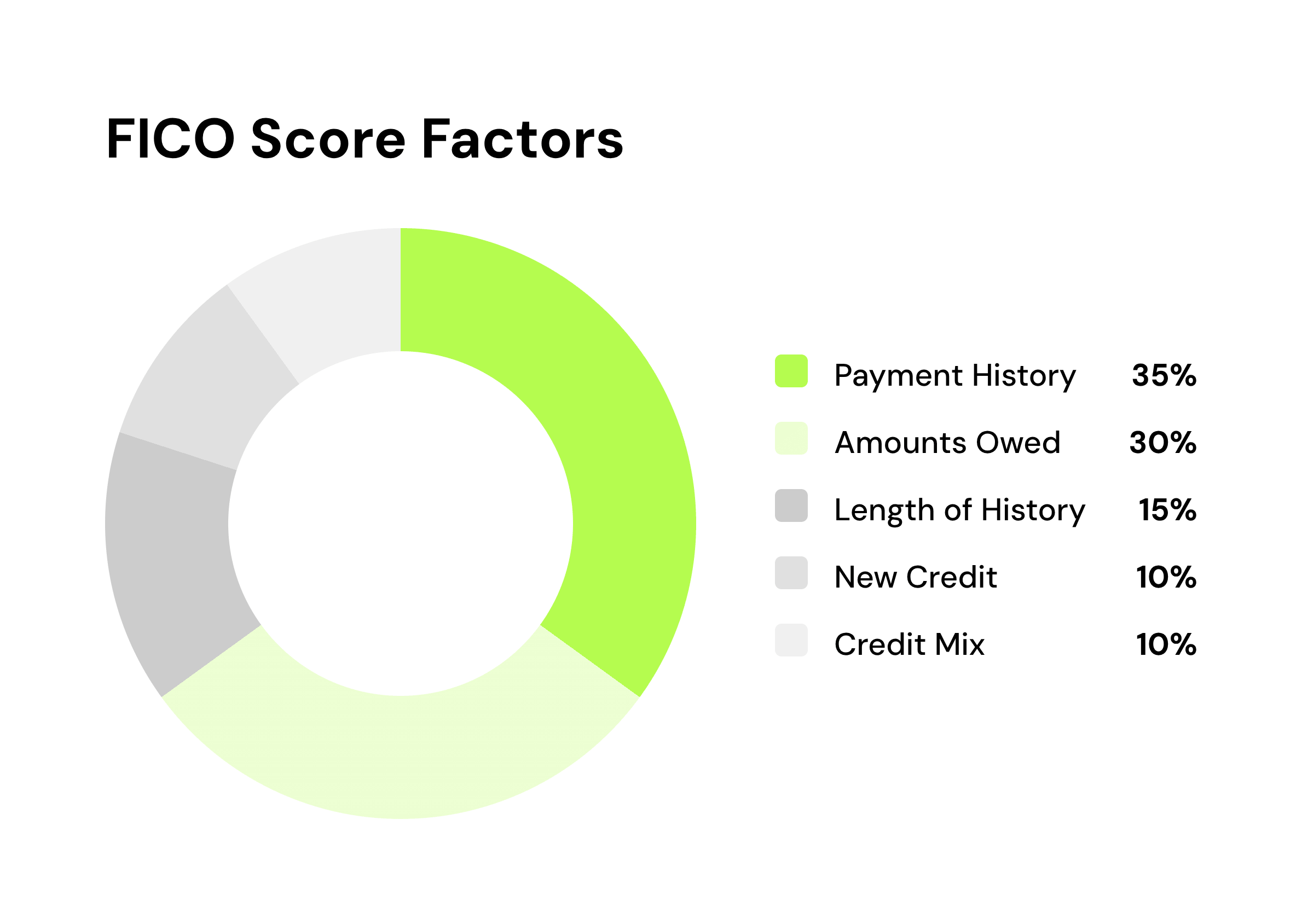
Don’t be surprised if your first U.S. report is empty, or if you don’t have one yet. That’s normal for a newcomer, and it isn’t the same as poor credit. A blank file has nothing negative on it, and payment history is the biggest factor in your FICO Score, so every on-time payment you add counts in your favor.
How to check your credit report with an ITIN
AnnualCreditReport.com, the free site for checking your reports, asks for a Social Security number.
With an ITIN, go to each bureau directly:
- Experian. Send a written request with proof of identity, such as a copy of your driver’s license and a utility bill or bank statement, to Experian, P.O. Box 9701, Allen, TX 75013.
- TransUnion. Contact TransUnion directly, and an agent can help you check whether you have a file.
- Equifax. Call or write to ask how to request your report with an ITIN.
Checking your own report doesn’t affect your credit. Keep a note of when and where you mailed each request so you can follow up if a report doesn’t arrive.
Read more >> How to Check Your Credit Score With an ITIN
Building credit with an ITIN vs. an SSN
An SSN gives you the most choices, but an ITIN is enough to open some credit building accounts. Which number you can get depends on your immigration and tax situation, not on your credit.
An ITIN doesn’t give you immigration status or authorize work in the U.S. It’s meant for federal taxes, so it isn’t something to apply for only to get credit.
If you’re not sure which number you qualify for, or how a financial step might fit with your immigration case, talk with a nonprofit immigration legal services provider or a licensed immigration attorney before you apply.
How to find legitimate help for free or low cost. Start with USCIS’s legal services page, which links to Justice Department lists of recognized organizations. The DOJ roster is searchable by state, and it’s worth asking up front whether a consultation is free.
What happens if you get an SSN later
The credit you build with an ITIN is still yours. When you get an SSN, give it to each lender you have an account with and to the three bureaus, and ask them to update your account to the new Social Security number. Then check your reports a few months later to make sure your ITIN accounts show up under your SSN, so the history you already built follows you.
Read more >> What's the Difference Between ITIN and SSN?
Other ways to start building U.S. credit
An app isn’t the only way in. These options can work alongside one, and some cost nothing.
Become an authorized user
A trusted friend or family member with a good payment record can add you to their credit card. You get your own card, and the account’s history can start showing on your report. Before you say yes, ask how they pay and how much of their limit they use, since their activity affects your file and yours affects theirs. Also ask the card company whether they need your SSN or ITIN to be added.
Try a secured card
You put down a deposit, and it usually sets your credit limit. Pay the full balance on time each month, and you’ll typically get the deposit back when you close the account or move to a regular card. Ask if you can apply with an ITIN before you submit anything, so a denial doesn’t cost you an inquiry.
Check local credit unions
Some accept an ITIN for checking accounts, credit-builder loans, or secured cards. Ask which ID they accept and whether you need to live or work in a certain area to join.
Report the rent you already pay
Your landlord likely doesn’t send your payments to the bureaus. A rent reporting service can, which turns a bill you pay anyway into payment history.
Report your phone and utility bills
You likely set these up soon after you arrived. Kikoff’s Bill Reporting sends on-time phone, electricity, natural gas, and water payments to TransUnion, and it doesn’t report late payments. It’s included in Kikoff Premium and Ultimate.
Read more >> How to Build Credit From Scratch
Open a U.S. bank account first. It makes paying on time much easier, and the bar is lower than most people think.
Federal rules require four things: name, date of birth, address, and an ID number — a Social Security number, an ITIN, a passport number, an alien ID card number, or another government photo ID. Banks can ask for more, so a no from one isn’t a no everywhere. A pending ITIN application doesn’t have to stop you either.
Red flags while you’re getting started
When you’re starting from zero, offers that promise to skip the wait can sound tempting. There aren’t many shortcuts to building credit.
Be wary of anyone promising a quick fix, including:
- A “CPN” or “credit privacy number.” It’s marketed as a replacement for an SSN. But the government doesn’t issue CPNs, and using one to apply for credit may be considered identity theft and fraud.
- An offer to use someone else’s SSN or to “borrow” a credit profile.
- Upfront fees for building or repairing credit, or a promised credit score number.
- Pressure to apply today or to share account logins.
Check your own reports with each bureau, and dispute any errors directly with them at no cost. Kikoff’s AI Credit Disputes tool can help you write dispute letters, and it’s free for all Kikoff users.
For budgeting or debt questions, the National Foundation for Credit Counseling (NFCC) can connect you with free or low-cost counseling at 800-388-2227.
4 mistakes that set new files back
- Applying for several cards at once. Each application can add a hard inquiry, and a denial leaves the inquiry without an account. Confirm an issuer accepts your ID before you apply.
- Letting your first account sit unused. Some companies close accounts that go unused. Keep one small, regular charge on it and pay it on time.
- Missing a payment early on. One late payment is a bigger share of a three-month history than a five-year one. Set up autopay for at least the minimum so a busy month doesn’t turn into a late mark.
- Leaving your old address on file. If you move, update it with every lender. Bills sent to an old address are easy to miss.
Read more >> Can Undocumented Immigrants Build Credit in the U.S.?
Bottom line
With no SSN, your first job is finding an account that accepts the ID you have and reports to the U.S. bureaus. An ITIN is enough for some apps.
Whatever history you built abroad stays where it was built. Only accounts reported here add to a U.S. file that every future lender can see. Kikoff’s Credit Account accepts an ITIN or SSN and reports your on-time payments to Equifax, Experian, and TransUnion, with no credit check to sign up. Plans start at $5 a month.
Methodology: How we chose these apps
We started with the credit building apps and cards newcomers are most likely to find, then narrowed the list to options you can open without a Social Security number. Apps that require an SSN, or that we couldn’t confirm accept an ITIN, are left out of the ranking and noted where it helps.
For each option, we checked which ID it accepts, whether applying means a hard credit check, which bureaus receive your payments, whether it’s revolving or installment credit, and what it costs. Every eligibility detail comes from the provider’s own help, pricing, or application pages, checked in October 2026. Where a provider doesn’t publish something, we say so or tell you what to ask.
Kikoff publishes this site, and Kikoff products appear in this article. We include them on the same terms as everything else: the same criteria, the same published sources, and the same limitations stated plainly. Where a competitor does something Kikoff doesn’t, such as adding installment history with a credit-builder loan, that’s in here too.
Eligibility rules and ID requirements can change. Check each app’s current terms before you apply.
Frequently Asked Questions
Article Sources
Disclaimer: The information provided in this blog post is meant for informational purposes only and does not constitute financial advice.