
The best credit building apps report small, regular payments to the credit bureaus without a hard credit check. Our top pick is Kikoff, followed by Self, Grow Credit, Chime Card, and CreditStrong, and the right one for you depends on what you can afford each month and which ID you have.
Every app here works the same basic way: it adds an account or reported payments to your credit file that wouldn’t be there otherwise. What sets them apart is cost, what you need to sign up, and whether any of your money comes back to you.
Best credit building apps in 2026
We ranked these apps on four things:
- What you need to apply — the ID number, bank account, and residency each app asks for
- No hard credit check — whether applying puts a hard inquiry on your file
- Bureau coverage — whether your payments reach all three bureaus (Equifax, Experian, and TransUnion)
- Cost — what you’ll pay each month, and whether any of it comes back to you
At a glance: Year one costs. Over the first 12 months, Kikoff Basic costs $60, while Grow Credit’s Build plan and Chime Card cost nothing to build credit. Self’s smallest plan takes $300 in payments in the first year, most of which you get back when the 24-month term ends. CreditStrong’s Revolv is $99 due at signup.
1. Kikoff
Choose Kikoff if you want one low-cost that works on several parts of your credit at once. You can sign up with an SSN or ITIN and no hard credit check, though eligibility requirements apply.
The Kikoff Credit Account is a revolving line of credit with no interest that you use only in the Kikoff Store, and Kikoff reports it to Equifax, Experian, and TransUnion. As a revolving account, it counts toward three scoring factors together: your payment history, your credit utilization, and the age of your accounts.
Plans also bundle in rent reporting to Equifax and TransUnion, with a one-time $50 option to add up to two years of past rent, plus weekly credit monitoring at one bureau. Fynn, Kikoff’s AI financial coach, can walk you through credit questions (though it isn’t a licensed financial advisor, so treat its answers as a starting point), and AI Credit Disputes costs nothing for any Kikoff user. Phone and utility bill reporting to TransUnion comes with Kikoff Premium.
Build credit starting at $5 a month for 12 months, with access to a $750 Kikoff line of credit and a 45-day money-back guarantee if you’re not satisfied.
What to watch for
The Credit Account works only in the Kikoff Store, so it won’t cover everyday purchases like groceries or gas.
2. Self Credit Builder Account
Choose Self’s Credit Builder Account if you’d like to finish with savings as well as credit history. Your fixed monthly payments go into a certificate of deposit (CD) at a Self partner bank like Lead Bank or Sunrise Banks, and the money is released to you at the end of the term, minus interest and fees.
On the smallest plan, you’d pay $25 a month for 24 months at a 15.92% APR ($600 in total) and get back $511 when the term ends. That’s $89 in interest for the credit history, though Self says a variable admin fee of $1 to $5 may apply, so ask what yours will be before you sign up.
There’s no hard credit pull to open a Credit Builder account, and Self reports to all three bureaus. Applicants need an SSN and U.S. citizenship or permanent residency.
Self’s separate Rent+Bills subscription costs $6.95 a month and reports your rent plus up to five cell phone and utility payments, with phone and utility payments going to TransUnion. Its Lookback option adds up to two years of past payments for a one-time $49.95.
What to watch for
It’s a two-year commitment, and a missed payment can hurt the credit you’re trying to build. If $25 a month would strain your budget, start with a lower-cost pick.
3. Grow Credit
Choose Grow Credit if you already pay for streaming or app subscriptions and want them to count. Grow gives you a virtual Mastercard for those bills, pulls the payment from your bank account each month, and reports it to all three bureaus.
Its free Build plan has a $17 monthly spending limit and a $204 reported credit line, according to Grow’s App Store listing, and there’s no hard credit pull to apply. Make six months of on-time payments in a row and you can move up to a $4.99-a-month membership, with a $50 limit, a $600 reported line, and room for an eligible cell phone bill. Plans run 12 months, so ask what your plan will cost when it renews.
What to watch for
The free plan’s limit covers only a subscription or two, and Grow requires an SSN and permanent U.S. residency.
4. Chime Card (formerly Chime Credit Builder)
Choose the Chime Card if you already bank with Chime and want a card you can use at the register. Chime lists no annual fee, no interest, and no credit check to apply, and the card works anywhere Visa credit cards are accepted.
Rather than a fixed security deposit, you move money into your Chime account, and that balance sets what you can spend. Chime reports your payments to all three bureaus.
You’ll need a Chime Checking Account, which requires a valid Social Security number and is held at Chime’s partner banks, The Bancorp Bank or Stride Bank. Direct deposit isn’t needed for the card itself, only for Chime’s cashback rewards.
What to watch for
The Chime Card has no preset limit, and so it doesn’t report a utilization rate, which means it can’t help that part of your credit.
5. CreditStrong
Choose CreditStrong if you want to add both installment and revolving credit, or if you’re signing up with an ITIN. It accepts an SSN or ITIN, runs no credit check when you apply, and reports to all three bureaus.
Its installment loans come from Austin Capital Bank, the FDIC-insured bank CreditStrong is part of, which holds the loan amount in a locked savings account while you pay it down, with entry-level payments of $28 a month. Revolv, its revolving line, is a $99 annual subscription paid at signup, with no interest and optional monthly payments that go into savings. (Don’t be surprised to see “Austin Capital Bank SSB” on your credit report instead of CreditStrong.)
Applicants need a checking account or debit card and a physical U.S. address, and CreditStrong asks that you be a “permanent U.S. resident.” If you’re not sure that describes you, ask what documents count as proof of residence. It isn’t offered in Vermont or Wisconsin.
What to watch for
CreditStrong’s entry-level installment payment is the highest on our list, and Revolv’s $99 is due all at once.
Runner-up: Kovo
Kovo charges $10 monthly payments for 24 months ($240 in total) and reports to Equifax, Experian, TransUnion, and a smaller fourth bureau called Innovis. There’s no credit check to apply.
It didn’t make the main list for three reasons:
- It costs more over time than our top pick. Two years at $10 a month adds up to four times Kikoff Basic’s 12 months at $5.
- You don’t get money back. Self’s Credit Builder Account returns most of what you pay. Kovo doesn’t.
- Its ID requirements aren’t clear. We couldn’t find a Kovo page that says whether you need an SSN, so if you have only an ITIN, ask Kovo before you sign up.
It’s still a workable option if you have an SSN and the two-year cost fits your budget.
Why these picks? We picked apps that report to all three bureaus and approve those without an established credit history. We pulled each price and requirement from the provider’s own site or app store listing, and where details weren’t published, we’ve told you what to ask.
Other ways to build credit
These two options work differently from the apps above, but either can add to your credit file alongside one of our picks.
StellarFi
StellarFi offers three credit cards designed to build credit history, and all three come with rewards. The Silver card has no annual fee and a credit limit of up to $500, backed by a refundable deposit. Gold costs $50 a year for a limit of up to $5,000, set at 25% to 75% of your deposit, and Stellarite costs $100 a year for a limit of up to $25,000, with no deposit required.
StellarFi doesn’t run a hard credit check, and it reports to Experian and Equifax, but not TransUnion. That’s why it isn’t in our ranking: every pick above reports to all three bureaus, and a lender that checks your TransUnion report won’t see your StellarFi history. We also couldn’t confirm what ID it requires, so if you have only an ITIN, ask StellarFi before you apply.
Experian Boost
Experian Boost is free, and instead of opening a new account, it adds payments you already make to your Experian credit file. You connect your bank or credit card accounts, and Boost scans them for on-time payments on utilities, phone and internet bills, streaming services, non-health insurance, and residential rent.
It affects only your Experian score, not Equifax or TransUnion, so a lender that checks another bureau won’t see those payments. That makes it a free add-on to a credit building app, not a replacement for one.
How credit building apps work
Each app has its own mix of tools, but most rely on one or more of these:
- A new tradeline. A tradeline is any account listed on your credit report. Some apps open a revolving line, a secured card, or a small loan in your name.
- On-time payment reporting. The app reports each payment you make to the bureaus, which builds payment history.
- Reporting bills you already pay. Rent, phone, utility, and subscription reporting turns payments that usually go unreported into history.
- No hard inquiry. The apps on our list skip the hard credit check, so signing up doesn’t add an inquiry to your file.
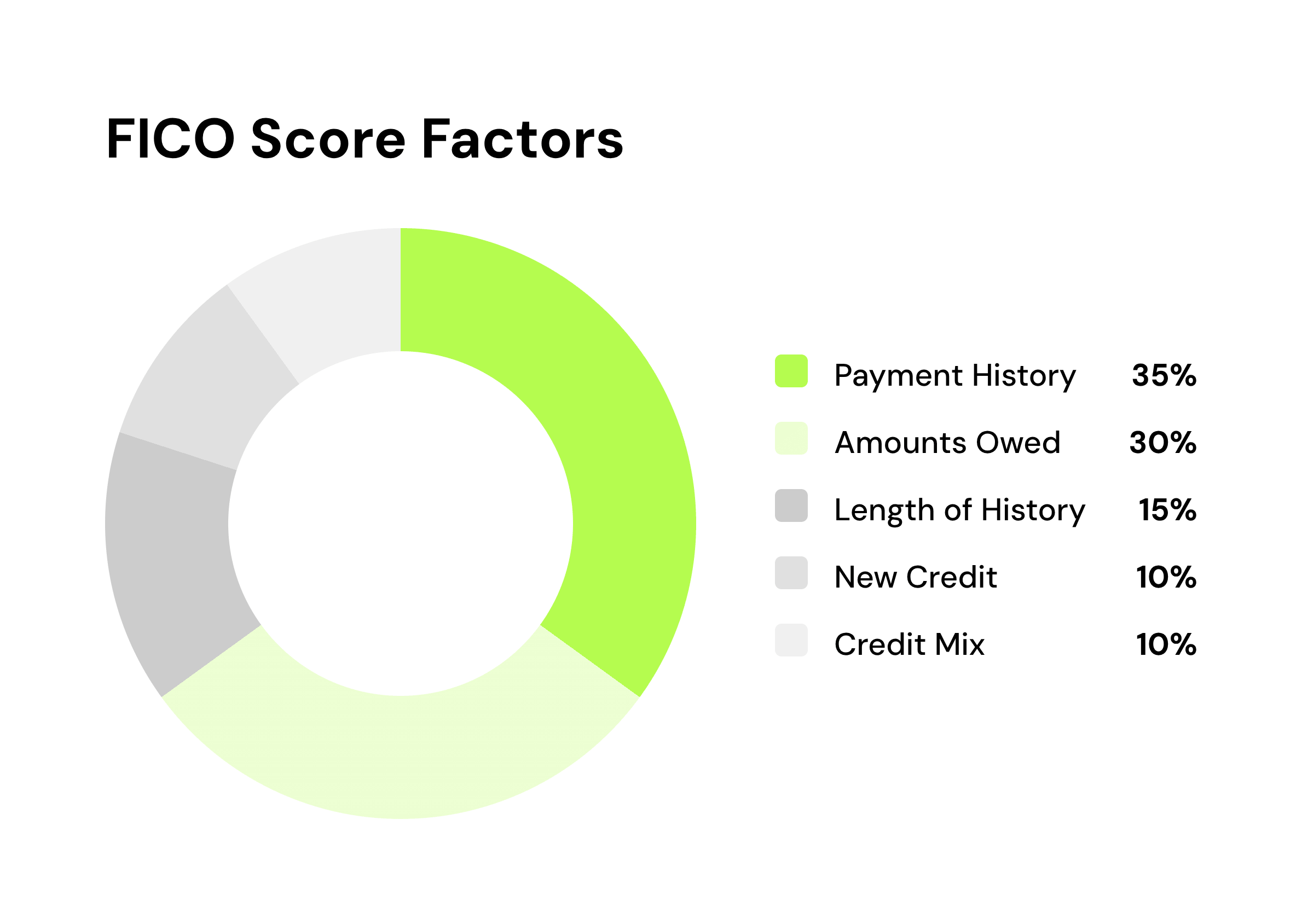
No app can promise a specific number of points, since the bureaus and scoring models determine your score based on your behavior over months. What an app can do is make sure consistent, on-time payments show up on your report.
Find the right app for your situation
The best app for you depends on where you’re starting.
If you’re new to the U.S., you may not have a Social Security number yet, and credit history from another country typically doesn’t transfer. Our guide to credit building apps for immigrants covers the options that accept an ITIN, including Kikoff and CreditStrong, and how to check your credit report without an SSN.
If you’re in college and under 21, a card issuer needs proof of your own income or a cosigner before it can open a credit card for you. That can make an app or an authorized user spot the easier first step, covered in our guide to credit building apps for college students.
And if you have no credit history at all, look for an app that reports to all three bureaus and doesn’t need an existing score to approve you. We compare those in our roundup of credit building apps for people with no credit history.
Bottom line
The best credit building app is the one that reports payments you’d make anyway and costs less than the credit it helps you build. Free options like Grow Credit’s Build plan and Chime Card work if you qualify, and a credit-builder loan like Self’s returns most of what you pay.
If you want one account that works on several parts of your credit at once, Kikoff’s Credit Account reports your on-time payments to Equifax, Experian, and TransUnion, with no hard credit check to sign up. Plans start at $5 a month.
Methodology: How we chose these apps
We began with widely available credit building apps and kept only those that report to Equifax, Experian, and TransUnion and accept people without an existing credit file.
Each app was judged on the same four points: what it takes to apply, whether there’s a hard credit check, which bureaus get your payments, and the total cost. We took every price and requirement from the provider’s own help center, pricing page, or app store listing in October 2026, and we flag anything a provider doesn’t spell out.
This site is published by Kikoff, and Kikoff’s products are among those reviewed. They’re held to the same criteria and sourcing as every competitor, and when another app offers something Kikoff doesn’t, like savings from a credit-builder loan or a card for everyday spending, we say so.
Terms change, so check each app’s current pricing and eligibility before you sign up.
Frequently Asked Questions
Article Sources
Disclaimer: The information provided in this blog post is meant for informational purposes only and does not constitute financial advice.