.jpg)




A negative balance on your credit card means your card issuer owes you money. It usually shows up when a refund, an extra payment, or a reward credit lands after you've already paid the card down to zero. It won't hurt your credit, and federal rules give you a few ways to get the money back.
Common reasons for a negative credit card balance
A credit balance usually comes from money reaching your account after the balance is already at $0.
You overpaid your bill
Paying more than you owe pushes the extra below zero. This often happens when autopay runs after you've already paid by hand.
You received a refund after paying your balance
If you paid the card in full and then returned something, the merchant's refund lands on an account that no longer owes anything.
You got a statement credit or cashback reward
Redeeming rewards as a statement credit when your balance is $0 leaves the credit sitting on the account.
A fee was waived or a dispute went your way
If your issuer agreed to waive a late fee after you'd paid your balance in full, the reversed fee shows up as a credit. The same happens when a disputed charge is resolved in your favor after you've already paid it.
You were refunded for a fraudulent charge
Under federal law, the most you'll owe for unauthorized charges on a credit card is $50. If you'd already paid the fraudulent charges by the time your issuer removed them, your balance can drop below zero.
Read more >> When Is the Best Time to Pay Your Credit Card Bill?
You probably won’t pay the $50. Federal law caps your liability for unauthorized credit card charges at $50. But that's the legal maximum, not what you'll be charged. Visa, Mastercard, American Express, and Discover all carry zero-liability policies, and most issuers do too.
The condition is reporting it. Call the number on your card as soon as you see a charge you don’t recognize, and in practice you’ll owe nothing.
Is a negative balance bad for your credit?
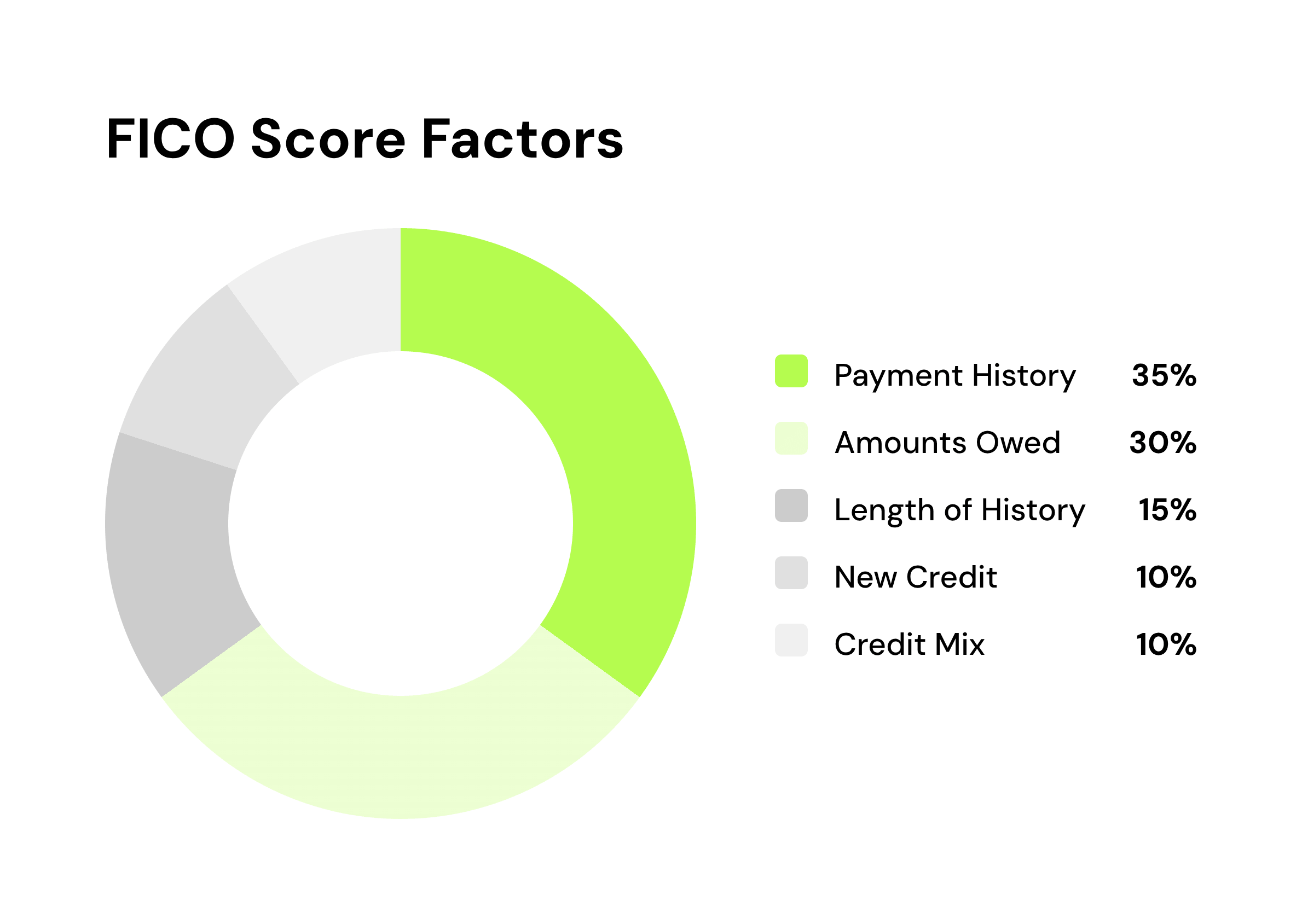
No. A negative balance isn't money you owe, so it won't count against you. The balances part of your score, which FICO calls amounts owed, accounts for about 30% of your FICO Score. It includes your utilization rate: how much of your available credit you're using. Payment history, meaning whether you pay on time, carries more weight at 35%.
A credit balance doesn't give you extra room, though. A $200 credit on a $5,000 card is still a $5,000 limit. Overpaying on purpose won't raise your score.
Read more >> How Credit Utilization Affects Your Credit Score
What to do with a negative credit card balance
You don't have to do anything. If you want the money working for you, you have three options.
Spend it
New purchases come out of the credit first, and you won't have to pay that amount back.
Ask for it back
If the credit is more than $1, federal rules require your issuer to refund it within seven business days of receiving your written request. Call the number on the back of your card or message your issuer through its app to ask how to submit the request and how the money will be sent.
Leave it alone
If the credit stays on your account for more than six months, your issuer has to make a good-faith effort to refund it to you by cash, check, or money order or a deposit to your bank account. Keep your mailing address current so the money can reach you.
Read more >> Does Returning Items to a Store Affect Your Credit Score?
Bottom line
A negative balance is your money sitting with your card issuer. It won't hurt your credit, and you can spend it, leave it, or get it back with a written request.
It won't do much for your credit either. A low balance helps your utilization only for the month it's reported, because that number has no memory. Payment history does, and it carries the most weight in your score. Kikoff's Credit Account reports your payments to Equifax, Experian, and TransUnion. There's no credit check to sign up, and plans start at $5/month.
Frequently Asked Questions
Article Sources
Disclaimer: The information provided in this blog post is meant for informational purposes only and does not constitute financial advice.