




Congratulations! You’ve reached your credit score goal, whether that’s 670, 740, or even 800. Your score keeps moving after you hit it, though, because it’s recalculated every time a lender reports new information. Keeping it comes down to the same habits that got you here: on-time payments, lower balances, and not closing accounts too quickly. Now, it can start saving you money.
Keep doing what got you here
Reaching your target doesn’t mean you can stop paying attention to your credit. Your score reflects information in your credit reports, and that information changes over time.
Continue practicing these habits:
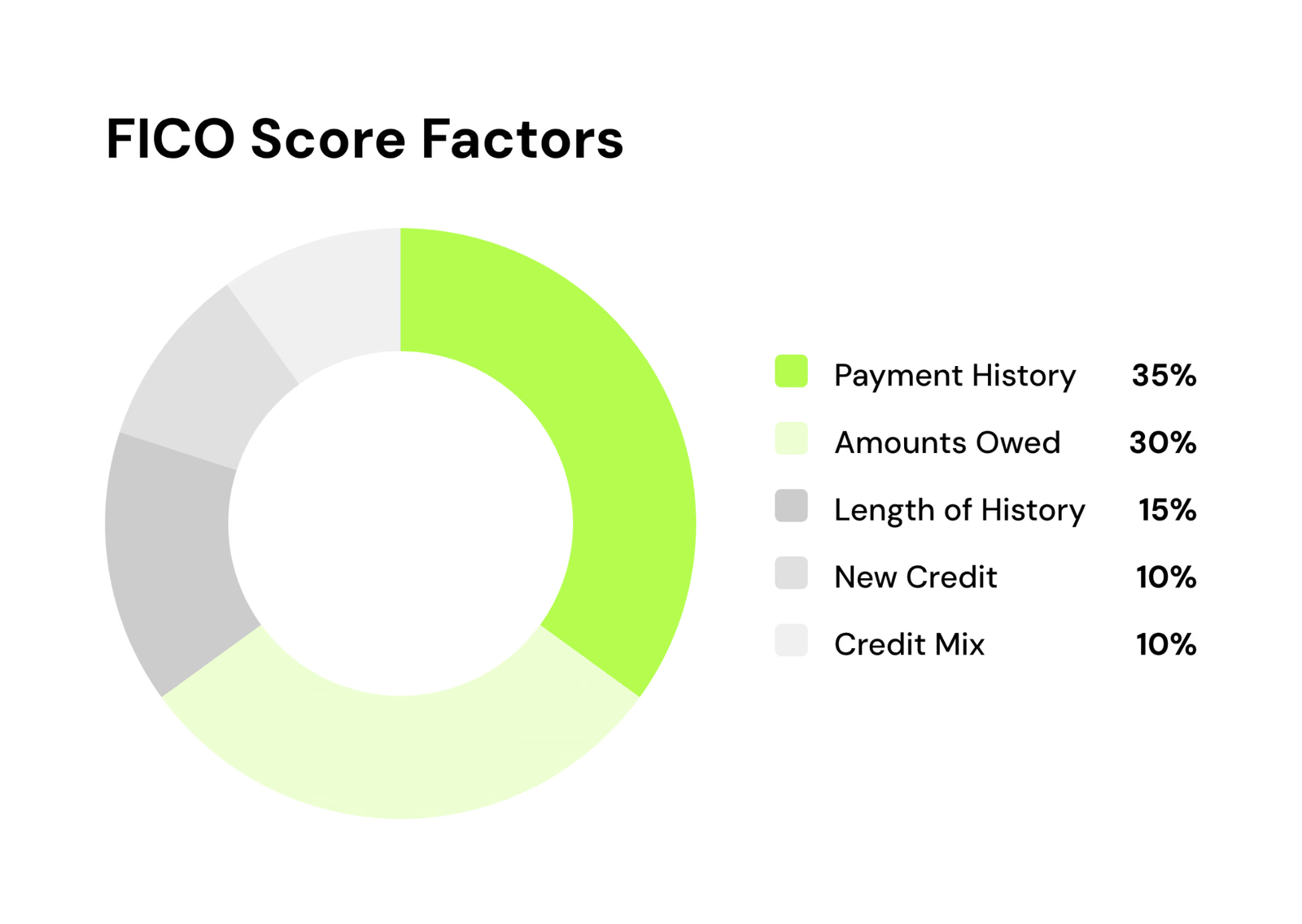
- Pay every bill on time. Payment history accounts for 35% of your FICO Score, making it the biggest factor. Set up autopay to help you avoid missed payments.
- Keep credit card balances low. Your credit utilization ratio measures how much of your available revolving credit you’re using. Generally, keeping utilization below 30% is a good starting point, but lower is often better.
- Avoid applying for credit you don’t need. Each application usually requires a hard inquiry, and each new account lowers your average account age.
You don’t need to carry a balance or pay interest to maintain good credit. Paying your statement balance in full each month can help you avoid interest charges.
Read more >> The Importance of On-Time Payments in Building Credit
Think twice before closing accounts
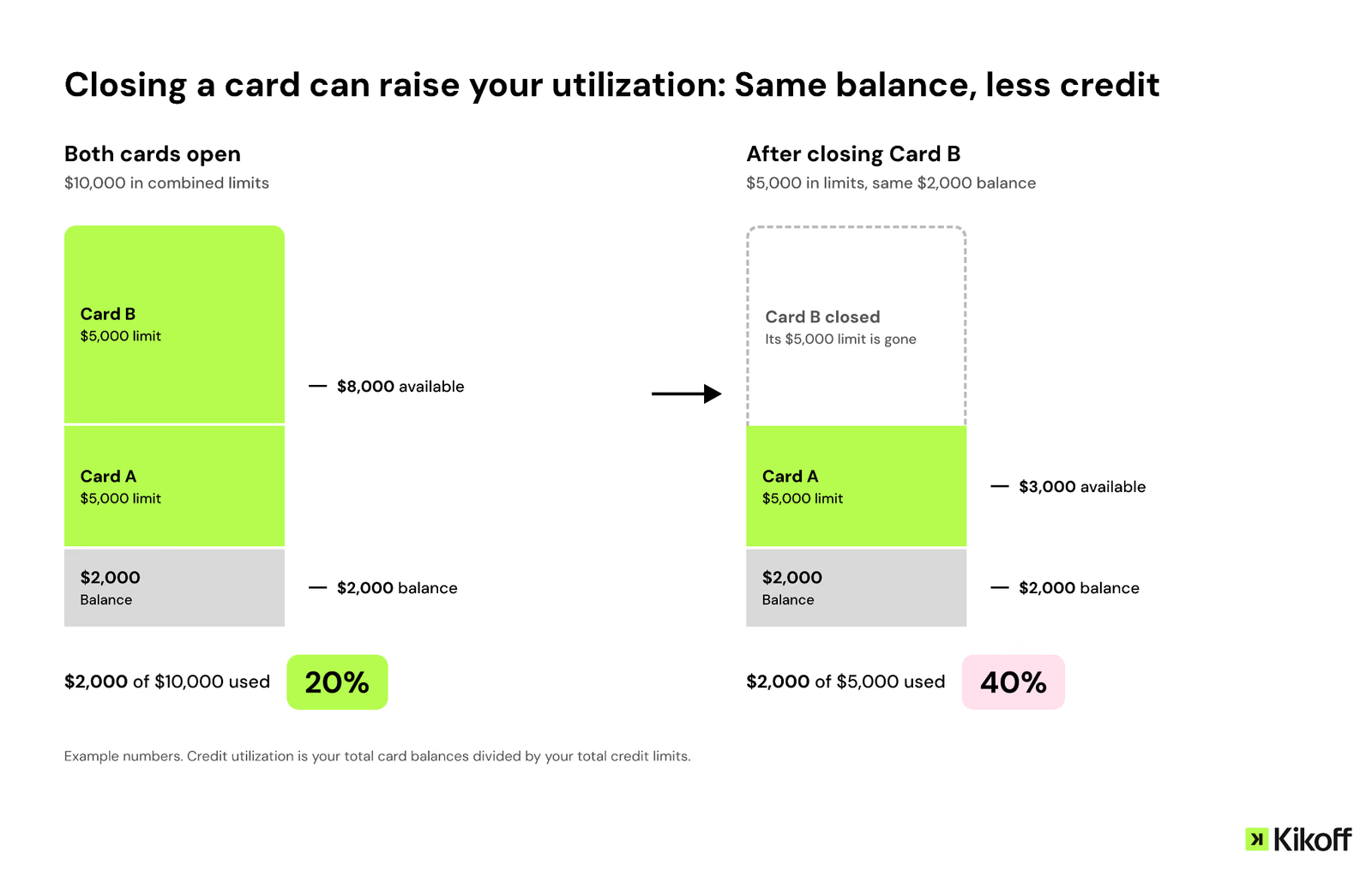
Once you’ve reached your goal, you might be tempted to close credit cards you no longer use. The risk is your credit utilization, or how much of your available credit you’re using. Say you have two credit cards with a combined $10,000 limit and a $2,000 balance. Your utilization is 20%. If you close a card with a $5,000 limit, that same balance puts you at 40%.
Account age is less of an issue: accounts closed in good standing can stay on your report for up to 10 years, counting toward your credit history the whole time they’re there. Your average age can drop once those accounts age off your report.
That doesn’t mean you should keep every account open forever. Closing a card with an expensive annual fee can make sense, especially if you aren’t using its benefits. Consider asking about a no-annual-fee alternative first.
Read more >> Does Closing a Bank Account Hurt Your Credit Score?
Put your credit to work
One of the biggest benefits of reaching your credit goal is having more borrowing options.
A stronger credit profile could help you qualify for competitive rates and terms, although lenders also consider your income, existing debt, and other factors.
Shop for better loan rates
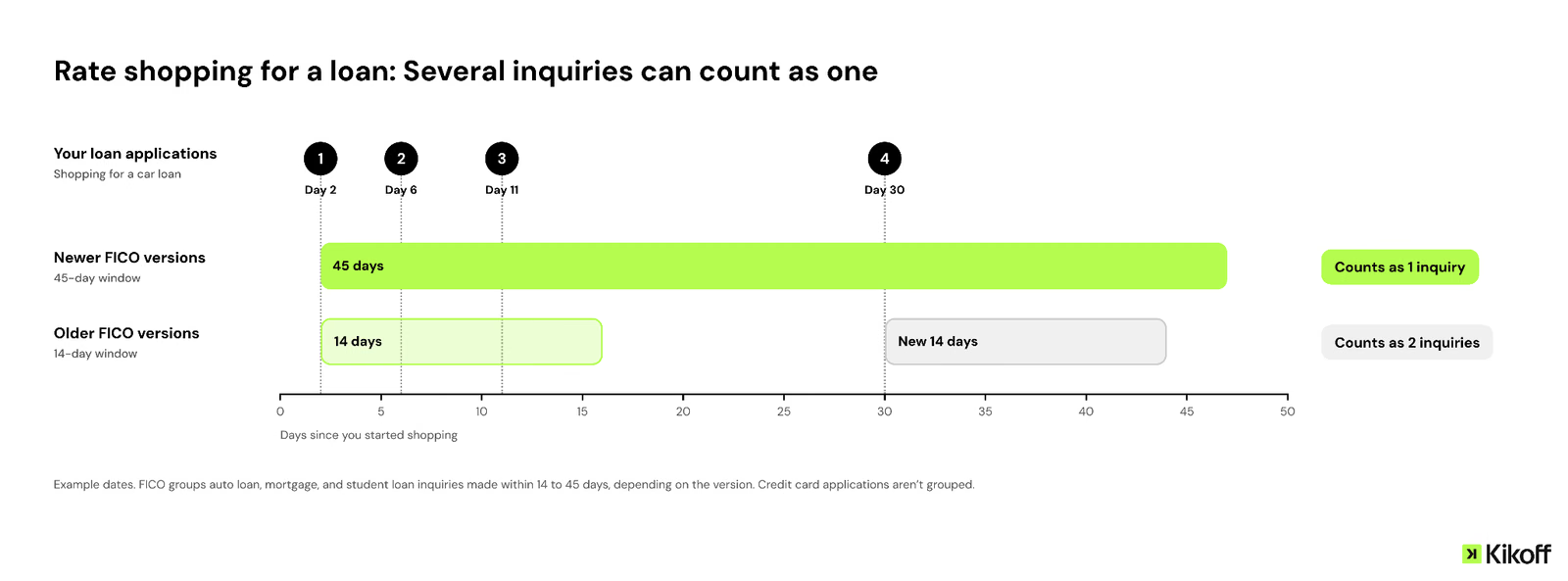
If you’re planning to buy a car or home, compare offers from multiple lenders rather than accepting the first one.
FICO counts multiple auto, mortgage, or student loan inquiries made within a period of 14 to 45 days as one, depending on the FICO version.
Consider refinancing expensive debt
If you have a high-interest auto loan or other eligible debt, refinancing may help you qualify for a lower interest rate.
Compare the new loan’s interest rate, repayment term, and fees before applying. A smaller monthly payment doesn’t mean you pay less overall.
Review your credit card options
Contact your credit card issuer and ask whether you qualify for a lower annual percentage rate (APR).
If you’re considering a new card, compare fees, rewards, and interest rates. Check whether the issuer offers prequalification without a hard credit inquiry.
Better credit lowers the price of borrowing. It doesn’t change whether the loan makes sense.
Read more >> How To Get A Lower Interest Rate On A Personal Loan
Protect what you’ve built
After working hard to build good credit, you don’t want fraud to undermine your progress.
These three protections are free.
- Check your credit reports. Check your free weekly reports at AnnualCreditReport.com.
- Freeze your credit. A credit freeze is free and can help prevent someone from opening new credit accounts in your name. You need to contact each bureau separately and can temporarily lift the freeze when applying for credit.
- Consider a fraud alert. If you suspect identity theft, you can request a free fraud alert. Contacting one bureau is enough to have it notify the other two.
A freeze blocks new accounts in your name. Checking your reports catches anything that gets through, so you can dispute it quickly.
Read more >> How to Dispute Credit Report Errors
Set your next goal
Once you’ve reached your target, consider what you want your credit to help you accomplish.
Maybe you want to qualify for a mortgage, replace your car, or get a credit card with better terms.
Perhaps your next goal doesn’t involve borrowing at all. You could focus on building an emergency fund, paying off high-interest debt, or saving for a down payment.
If you’re not sure what to aim for next, Fynn is an AI credit coach that works with Kikoff to help you reach your goals with a personalized plan.
Read more >> How to Set Financial Goals Using the SMART Method
Bottom line
Reaching your goal doesn’t lock in your score. It’s recalculated each time a lender reports, so on-time payments and low balances keep doing the work.
What you won’t see coming is a change you didn’t make, like a new account you didn’t open or a balance reported wrong. Kikoff’s Credit Monitoring sends alerts for score changes, new accounts, and balance updates at Equifax, Experian, and TransUnion. Three-bureau monitoring comes with Kikoff Premium at $20 a month with no credit check to sign up.
Frequently Asked Questions
Disclaimer: The information provided in this blog post is meant for informational purposes only and does not constitute financial advice.