.jpg)



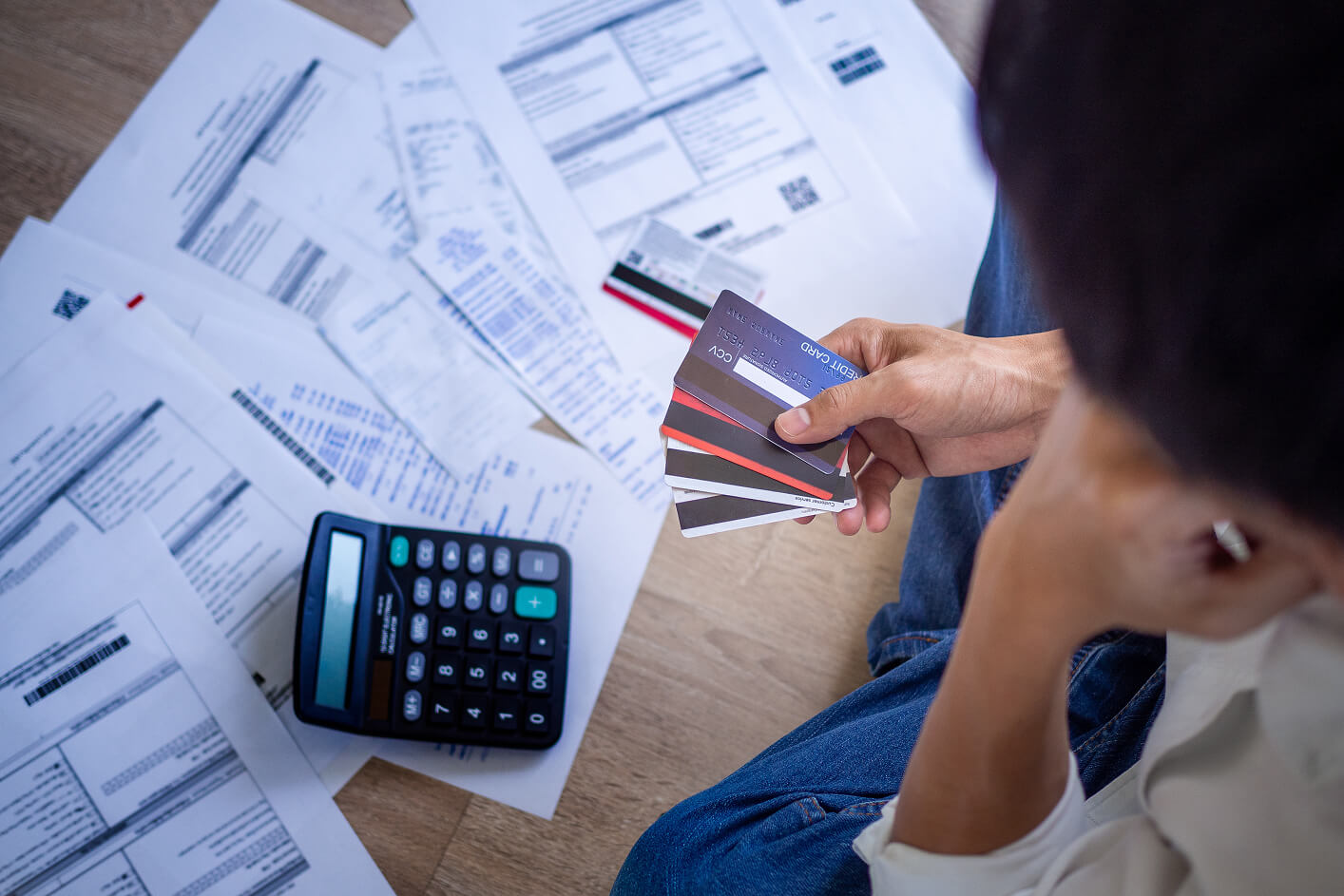
Returns don’t show up on your credit report, and neither do refunds. But if you paid with a credit card and the refund goes back to that card, your balance drops. Once your issuer reports the lower balance, your score can go up.
How a refund can affect your credit score
The effect depends on how you paid and how the store refunds you:
- Paid with cash or debit. No effect. Neither the purchase nor the refund is reported to the credit bureaus.
- Paid with a credit card, and refunded to the card. Your card balance goes down, which can help your score.
- Paid with a credit card, and refunded in cash or store credit. Your card balance stays the same. You still owe the full purchase on the card.
Why a lower balance can raise your score
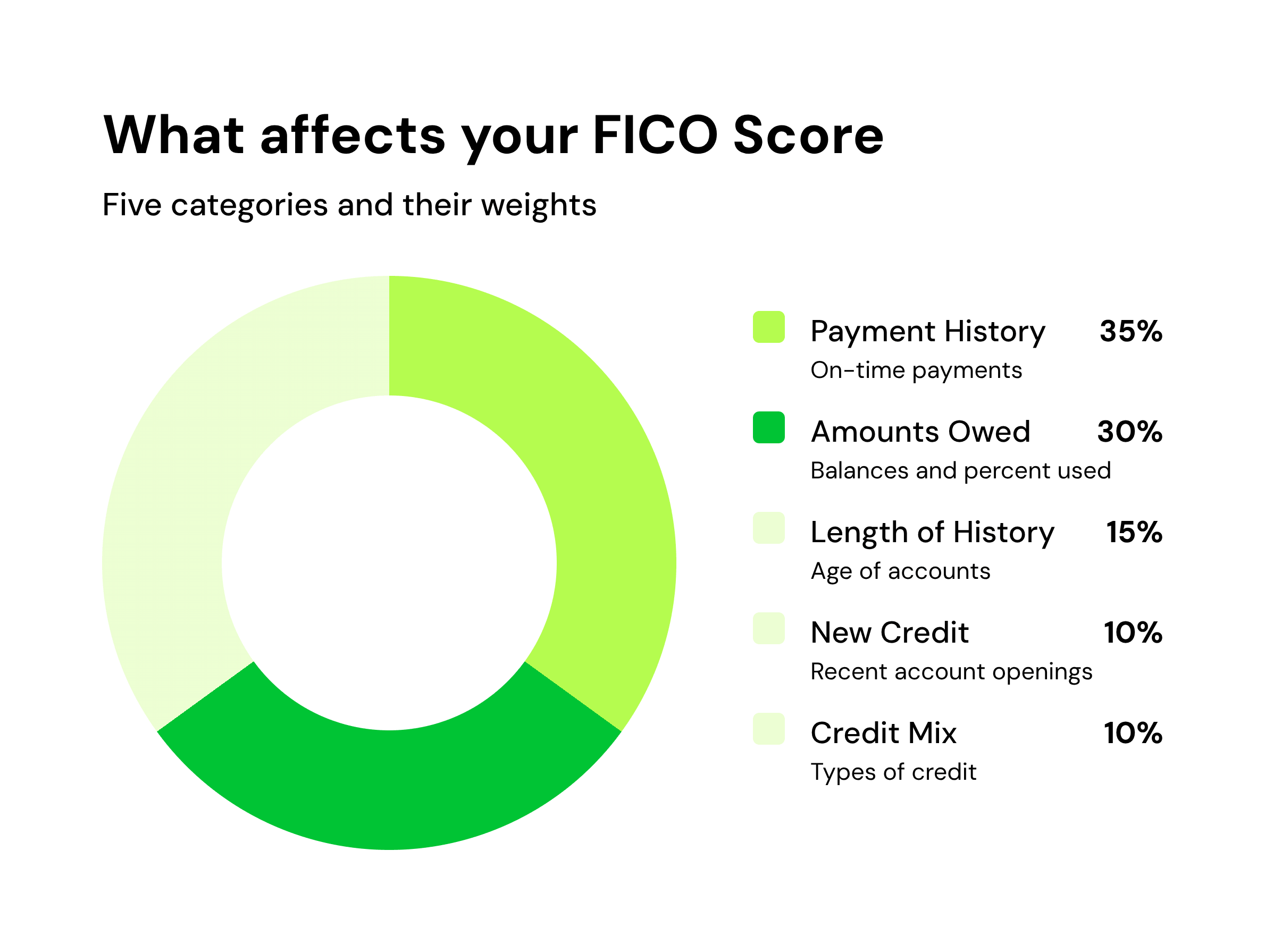
Amounts owed make up 30% of your FICO Score. A big part of that is credit utilization, or how much of your available credit you’re using.
Most experts recommend keeping overall utilization at no more than 30%. But it’s only a guideline. Generally, the lower that number, the better your score.
Say you have three credit cards, and the entire balance on your travel card is a $1,000 purchase you’re about to return.
You return it, and the refund posts back to the travel card.
One return dropped your overall utilization from 60% to 40%. That’s still above 30%, but it looks much better to lenders than 60%.
The catch is timing: Refunds can take several days to post, and if your statement closes before the credit lands, the bureaus see the higher number for that month.
Does a refund count as your monthly payment?
No. A refund isn’t a payment. It lowers your balance, and in some cases it can lower your minimum payment, but you still have to pay at least the minimum by the due date. A refund also doesn’t erase a payment you’ve already missed. Keep making your payments as usual to avoid late fees and a late payment on your report.
Read more >> How to Read a Credit Card Statement
How long it takes for a refund to affect your score
There are two waiting periods — one for the refund to post, and one for the new balance to get reported:
- Getting the refund. Under federal rules, the store has seven business days after accepting your return to send the credit to your card issuer. The issuer then has seven business days to post it to your account. It means a refund can take anywhere from a few days to several weeks.
- Updating your credit report. Your issuer usually reports the balance from your statement. If the refund posts after your statement closes, the lower balance won’t show up until the next one. That means a billing cycle or two before your score reflects it.
Bottom line
A return won’t hurt your credit. A refund back to your card can help, but only while the lower balance lasts. Utilization looks at the balance on your most recent statement, so the boost goes away once the balance climbs back up. Payment history works differently. Each on-time payment adds to a record that stays on your report.
The Kikoff Credit Account reports your on-time payments to Equifax, Experian, and TransUnion. There's no credit check to sign up, and plans start at $5 a month.
Frequently Asked Questions
Article Sources
Disclaimer: The information provided in this blog post is meant for informational purposes only and does not constitute financial advice.