


Credit scores can be complicated and hard to figure out, especially if you are new to credit. But if you break them down into smaller parts, you'll be on your credit-building way. Whether you're a personal finance enthusiast, someone new to building credit, or somewhere in between, this guide will help you understand what it takes to push your credit score to the next level.
The highest credit score is 850
Both FICO and VantageScore use a scale of 300 to 850, making 850 the highest credit score possible under either model. According to FICO, approximately 1.6% of the U.S. population has a perfect score of 850. While achieving this score is challenging, it is not impossible if you stick to good habits.
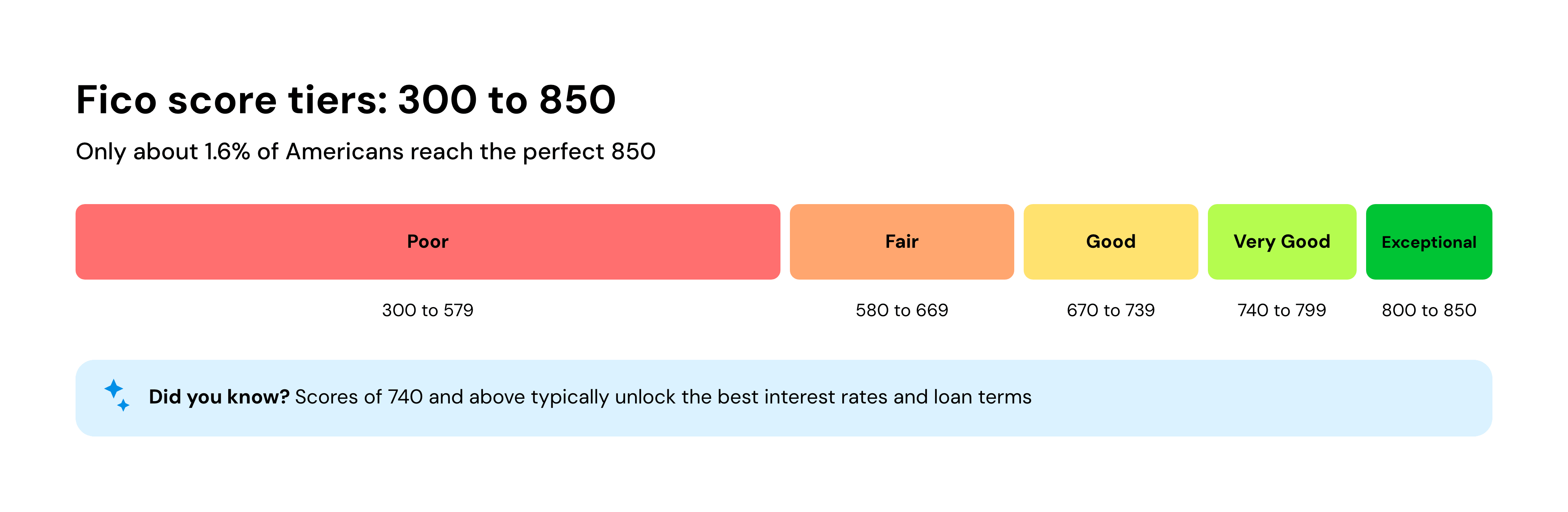
That said, you don't need a perfect 850 to unlock the best financial opportunities. A FICO score of 740 or higher is generally considered very good, and scores above 800 are exceptional. At those levels, you'll typically qualify for the best interest rates and loan terms available.
How Credit Scores Work
A credit score is a number representing your creditworthiness, or how likely you are to repay borrowed money. The two most commonly used credit scoring systems are FICO and VantageScore. Each of the credit score models uses different criteria to calculate your credit scores, typically ranging from a minimum credit score of 300 to a perfect credit score of 850.
What Impacts Your Credit Score?
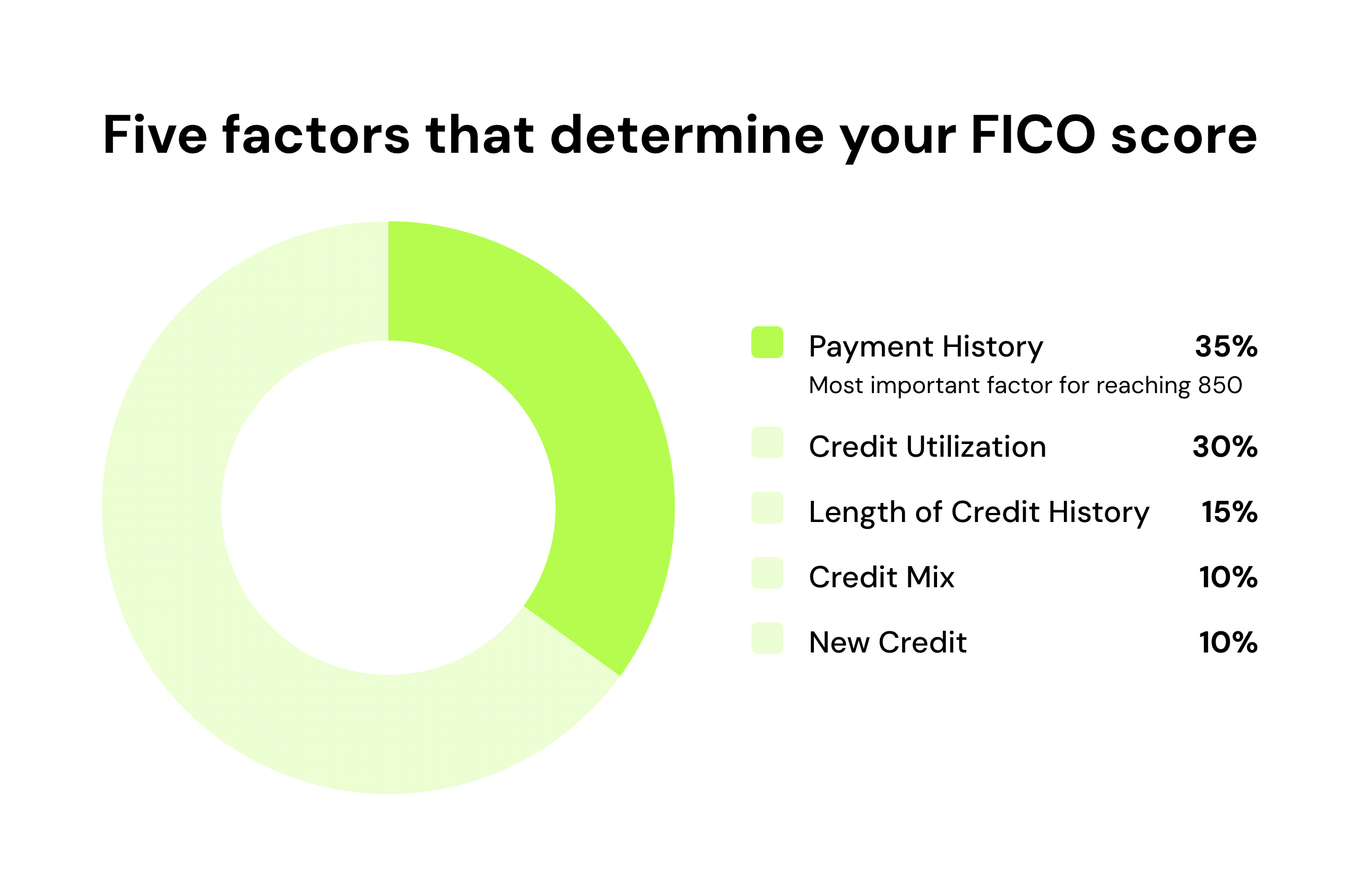
- Payment History: This is the most crucial factor, making up about 35% of your score. Consistently paying your bills on time can significantly boost your score.
- Credit Utilization Ratio: This measures how much of your available credit you're using. Keeping your credit utilization below 30% can positively impact your score.
- Length of Credit History: The longer your credit history, the better. Lenders like to see a well-established credit record and long credit history.
- New Credit Inquiries: Multiple recent inquiries can lower your score temporarily.
- Credit Mix: A variety of credit types, such as credit cards, mortgages, and auto loans, can improve your score.
Aim for the Highest Credit Score You Can Get
A good credit score opens doors to numerous financial opportunities:
- Lower Interest Rate: Higher scores often qualify for a lower interest rate on loans and credit cards, saving you money in the long run.
- Better Loan Approval Odds: Lenders are more likely to approve your loan applications.
- Higher Credit Limit: Creditors may offer you a higher credit limit, giving you more available credit and financial flexibility.
- Smoother Rental Application: Landlords often check credit scores before approving rental applications. Those with higher credit scores often have an easier time getting approved for an apartment.
How Can I Build My Credit?
Working towards your new highest credit score involves some basic strategies and factors related to credit history, credit utilization, and more.
1. Make Timely Payments
Set up automatic payments to ensure you never miss a due date. Remember, payment history is crucial for your credit score.
2. Keep Balances Low
Maintain a credit utilization ratio below 30%. If possible, pay off your balances in full each month.
3. Diversify Your Credit Mix
Having a variety of credit accounts can positively impact your score. This could include a mix of credit cards, installment loans, and mortgages.
4. Limit Hard Inquiries
Try to limit the number of hard inquiries on your credit report. While occasional inquiries are fine, too many in a short period can lower your score.
5. Review Your Credit Report Regularly
Regularly monitoring your credit report can help you stay on top of your financial health. You can get free reports from each of the three credit bureaus (Equifax, Experian, TransUnion) once a year at AnnualCreditReport.com.
Conclusion
Whether you're focused on getting the highest credit score possible or finding your new highest credit score, it won't happen overnight.
Achieving the highest credit score possible involves understanding what goes into a credit score and learning strategies to build credit. Learning this info and putting these strategies into practice can steadily improve your credit score over time.
Ready to take control of your financial future? Sign up for Kikoff today and start building your credit with confidence.
Kikoff can help you build credit faster with way less work. Kikoff reports your monthly payments to all three major credit bureaus so that your credit profile is comprehensive and reflective of your responsible financial behavior across different lenders.
Lastly, remember - your credit score is a key to unlocking various financial opportunities. Whether you're just starting or looking to improve your score, every step you take brings you closer to financial freedom. Happy credit building!
Frequently Asked Questions
About the editor

Disclaimer: The information provided in this blog post is meant for informational purposes only and does not constitute financial advice.