


.jpg)



College is an exciting time. You're thinking about your future and working toward a career. It's also a great time to build credit.
But what exactly is credit? And why is it so important? We'll examine the answers to these questions and help you learn how to build credit in college.
How to build credit in college
As a college student, you're already busy. The good news is that once you know how to build your credit, doing it is easy and takes almost no time at all.
If you're wondering how to build credit in college, start with one or more of these methods.
1. Get a student credit card or secured credit card
Many college students have no credit history, so getting approved for a traditional credit card can be difficult. However, many credit card issuers offer student credit cards designed for those with limited credit history. These cards usually have relatively low spending limits.
If you're approved for a student credit card, use it regularly, but always pay your statement balance in full. That way, you can build credit without owing interest or accumulating debt.
Once you've built a solid history of on-time payments, you might qualify for credit cards with lower interest rates, cash back, rewards, and other perks.
If you have poor credit instead of no credit history at all, you might not be approved for a student credit card. Fortunately, there is another option. A secured card can help you build your credit.
Here's how secured credit cards work:
- You make a refundable cash deposit that becomes your credit line
- You make purchases and pay them off as you would with a regular card
- If you fail to repay, the lender uses your deposit to cover the balance
- If you use the card responsibly, you build credit over time
- When you upgrade to a regular credit card or close your account, you get the deposit back
If you go this route, try to get a credit card early in your college career. The length of your credit history factors into your credit score, so the sooner you start building credit, the better.
2. Try a credit-builder app
Credit-builder apps are another great option. These apps may give you a small credit line or personal loan and then report your on-time payments to credit bureaus.
Kikoff is a credit builder app that makes building credit simple and fun. Here's how it works:
- You sign up (and we don't do a credit check!)
- You get a small credit line that you can use to make purchases in the Kikoff store
- You make payments, which we report to credit bureaus
- You track your balance and credit score right in the app
You can use our basic services for a low monthly cost. However, if you choose one of our premium services, you can access additional credit-building tools like these:
- A secured credit card
- A larger credit line
- Rent and bill reporting
- Debt negotiation services
- Tools for tracking and managing your spending
We'd love to be a part of your credit-building journey. Get in touch with us or open your account today!
3. Become an authorized user
If you have a parent, sibling, or close friend with good credit, ask them to add you as an authorized user to one of their accounts. This step alone can significantly boost your credit.
4. Look for ways to report your rent or bills to credit bureaus
You're already paying your monthly bills. Why not use them to build your credit?
Some apartment complexes will automatically report your rent payments to credit bureaus. If yours doesn't, you can use an online credit-building service like Kikoff that offers rent reporting.
What is credit, and why does it matter for college students?
Your credit is a measure of your ability to purchase and repay money. Typically, it's represented by a credit score. The higher your credit score, the less of a risk you pose to lenders. If you have poor credit or no credit, you may be charged higher interest rates or denied a loan altogether.
When calculating your credit score, credit bureaus look at five weighted factors:
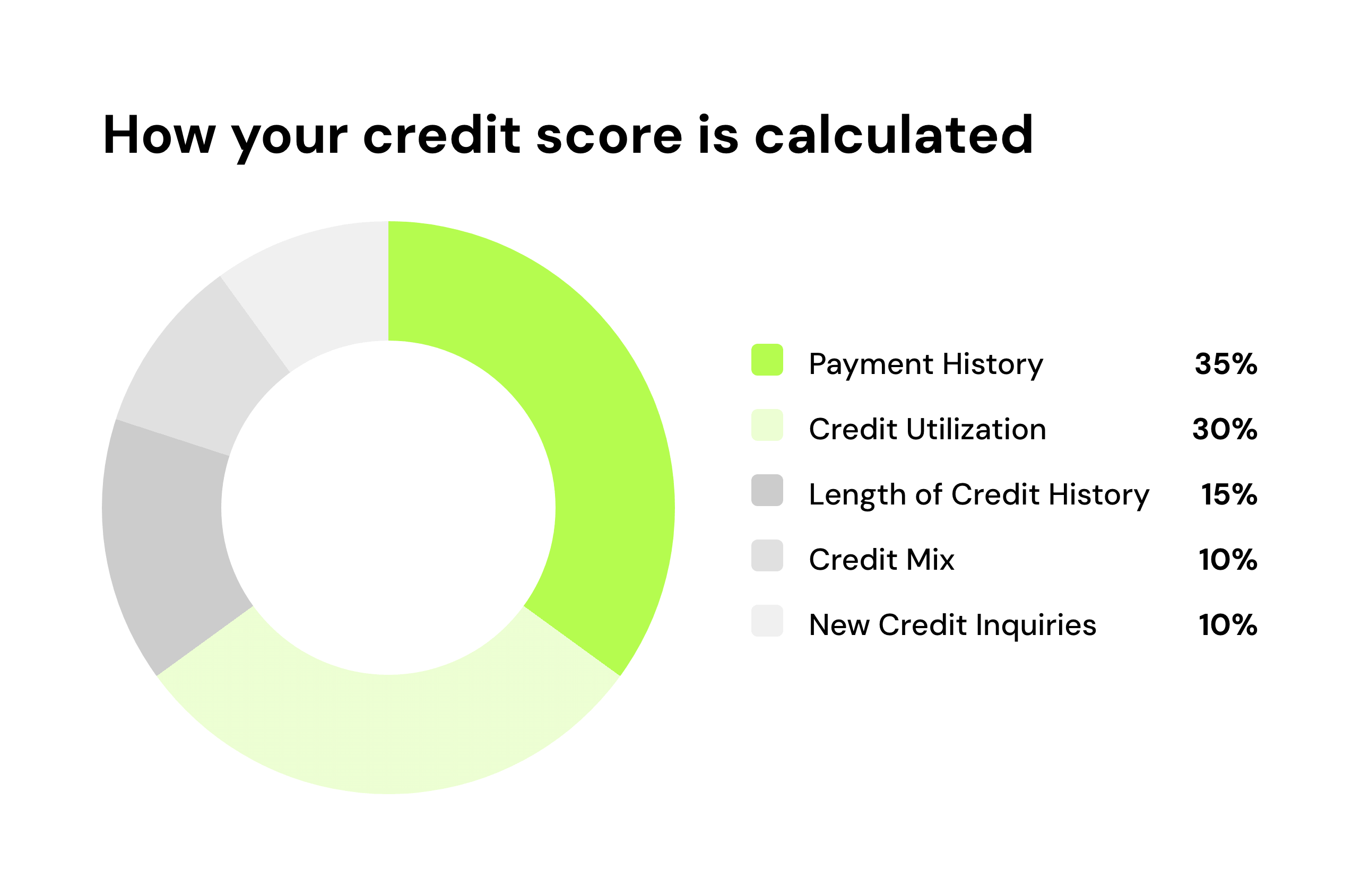
- Payment History: 35%
- Credit Utilization: 30%
- Length of Credit History: 15%
- Credit Mix: 10%
- New Credit Inquiries: 10%
If you want to get a credit card, mortgage, car loan, or personal loan, having good credit is essential.
However, the benefits of having a good credit score extend beyond your ability to borrow money. Depending on where you live, potential landlords and employers may be allowed to review your credit history and credit score.
If your credit history suggests that you may have trouble managing debt, it can be harder to find housing and employment.
Credit mistakes to avoid while in college
Understanding how to build credit in college is important. However, to avoid potentially costly pitfalls, you should be aware of these common mistakes:
- Overspending
- Applying for too many credit accounts at once
- Carrying high balances or maxing out credit cards (high credit utilization)
- Making minimum payments instead of paying the balance off in full every month
- Making late payments
- Missing payments
- Completely avoiding credit
Pay special attention to your credit utilization, especially if you want to apply for a loan soon. You shouldn't be using more than 30% of your available credit. Keeping it below 10% is even better!
Some college students go to the other extreme and avoid credit altogether. This is another mistake. Avoiding credit in college shortens your credit history and may make it harder to qualify for car loans and mortgages.
Conclusion
When you make an effort to build your credit, you'll be better prepared for life after graduation. At Kikoff, we want to help college students like you lay the foundation for a bright financial future.
Have questions about how it works? Get in touch with us. Or if you're ready to get started, open your account today!
Frequently Asked Questions
About the editor

Disclaimer: The information provided in this blog post is meant for informational purposes only and does not constitute financial advice.