







Travel hacking means opening multiple credit cards to earn sign-up bonuses and everyday rewards, then redeeming those points or miles for free flights, hotel stays, and other travel perks.
It can lower your credit score, but usually only a little and only for a while. How much depends on how thin your credit file is, how many cards you open at once, and whether every bill gets paid on time. Lasting damage tends to come from habits travel hacking makes easy to slip into, like carrying a balance to hit a spending requirement or losing track of due dates across several cards.
How opening multiple credit cards affects your score
Applying for and opening a credit card can affect your credit score in a few different ways. Opening multiple, especially in a short period of time, could compound those effects. Here's what to expect:
Hard inquiries
When you apply for a credit card, the card issuer will typically run a hard inquiry on one or more of your credit reports. A single inquiry takes fewer than five points off your credit score, according to FICO. Unlike mortgage or auto loan shopping, credit card applications aren’t grouped into a single inquiry, so each one counts.
Even if your score doesn't drop by much, card issuers are more wary of applicants with multiple recent inquiries, so it could still result in a denial.
Average age of accounts
Your length of credit history is an important factor in your credit score, especially if you're fairly new to credit. One way FICO measures your length of history is by calculating the average age of your credit accounts.
Each time you open a new account, whether it's a credit card or a loan, it lowers the average age of your accounts. Open multiple in a short period, and it can pull down that average quickly.
New accounts and short-term score dips
When you open several accounts in quick succession, FICO sees that as a risk signal and may drop your score accordingly. Managed well, all three effects fade as the accounts age.
Read more >> Are Travel Credit Cards Worth It? How to Run the Math
Travel hacking mistakes that hurt your credit
Some dip is normal when you open a new card. These mistakes do more lasting damage, and each one has a simple fix.
- Carrying a balance to meet the minimum spend. Interest can eat into the value of the bonus, and a balance left on your card pushes up your credit utilization ratio. Pay each statement in full, and set up autopay for at least the minimum.
- Opening too many cards too quickly. The effect of a single inquiry and a new account is usually minor. Stack several back to back, and it adds up. A common rule of thumb is waiting about six months between applications. This also gives you time to meet each card’s spending requirements before starting the next.
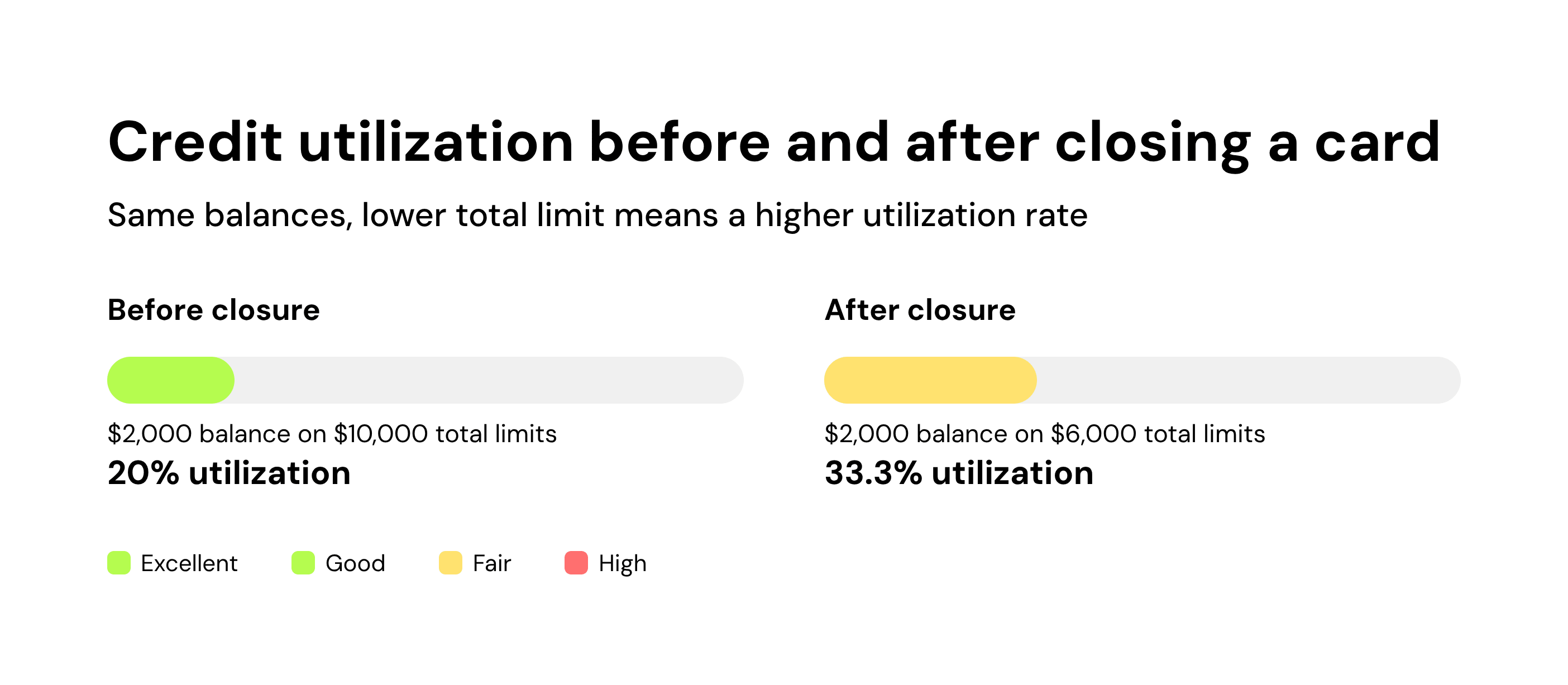
- Closing cards after earning the bonus. Closing a card removes its available credit, which can push up your utilization rate. If an annual fee is the reason you want to close it, ask the issuer whether you can downgrade to a no-annual-fee card instead.
- Missing payments. More cards means more due dates to track. If a payment is 30 or more days late, the issuer can report it to the credit bureaus, and that late mark can stay on your report for up to seven years. Turn on autopay for every card the day you open it.
Read more >> Are Airline Credit Cards Worth It? When They Pay Off
How to travel hack without damaging your credit
Whether you're a veteran travel hacker or just dipping your toes into the world of points and miles, these habits can help you earn rewards without wrecking your credit:
- Match bonuses with your spending. Choose sign-up bonuses with spending requirements you can meet with what you already buy. That way you never need to carry a balance to qualify.
- Check whether you prequalify first. Many card issuers have prequalification tools that use a soft inquiry, which doesn’t affect your credit. It won’t guarantee approval, but it gives you a read on your odds before a hard inquiry goes on your report.
- Monitor your credit. You can pull your reports from all three bureaus for free weekly at AnnualCreditReport.com, which helps you spot errors.
Kikoff Credit Monitoring sends weekly credit updates, so you can watch how each new card affects your credit.
Read more > What to Look For in Your Credit Report
Bottom line
Travel hacking usually costs a few points up front. Pay every card on time and in full, and those dips fade as the accounts age. The catch is that a new card’s inquiry and lower account age hit harder when your history is short, so the deeper your file is before you apply, the less each card costs you.
Kikoff’s Credit Account reports your on-time payments to all three credit bureaus, with no credit check to sign up. Plans start at $5 a month.
Frequently Asked Questions
Article Sources
Disclaimer: The information provided in this blog post is meant for informational purposes only and does not constitute financial advice.