
Owning property doesn’t help or hurt your credit by itself, because credit reports don’t track what you own. What can help is the mortgage. A home loan you pay on time adds to your payment history, which weighs heavily on your FICO Score. That also means paying cash for a home, or paying off your mortgage, doesn’t give your credit a boost.
How does a mortgage help your credit?
Payment history
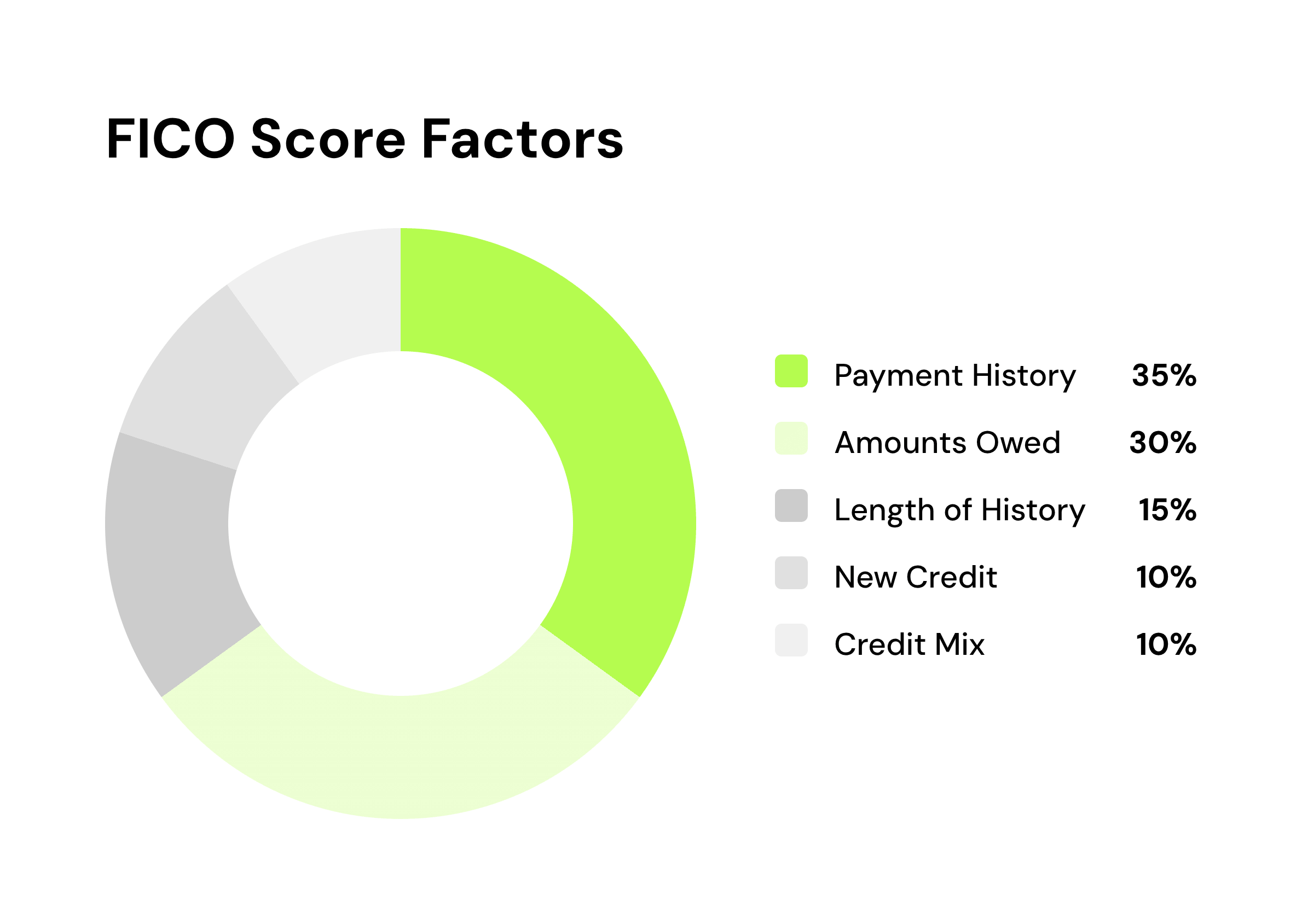
Payment history is the most important factor in your FICO Score. If you take out a mortgage and make all payments on time and in full, you can strengthen your payment history or establish one for the first time.
Credit mix
Credit mix, meaning the different types of credit you have, makes up 10% of your FICO Scores. If your report is mostly credit cards, a mortgage adds an installment loan, a loan you repay in fixed monthly payments.
Length of credit history
FICO Scores also look at how long you’ve had credit, including:
- The age of your oldest account
- The age of your newest account
- The average age of all your accounts
The length of your credit history makes up 15% of your FICO score. A new mortgage lowers your average account age at first, but that effect decreases as the loan ages.
Read more >> Importance of On-Time Payments in Building Credit
How a mortgage can hurt your credit score
Hard inquiries when applying
When you apply, the lender checks your credit. That’s a hard inquiry, and for most people it lowers scores by less than five points.
Several hard inquiries for different types of credit in a short time can have a bigger effect. It suggests you’re taking on more debt, which could make you seem riskier to lend to.
If you’re shopping for a mortgage, compare lenders within a short window. FICO Scores count mortgage inquiries made within 14 to 45 days, depending on the version, as one. VantageScore groups same-type inquiries within 14 days.
Missed or late payments
If you take out a mortgage and then miss a payment, you could damage your credit. A payment a few days late usually won’t show up on your credit report, but you may still owe a late fee. Check your mortgage statement for the grace period.
Mortgage lenders usually report a late payment once it’s 30 or more days overdue.
High debt-to-income ratio
When trying to decide whether to lend you money, many lenders will want to see your debt-to-income ratio (DTI). Credit reports don’t include your income, so DTI isn’t part of your score, but it can suggest to lenders that your finances are strained. Your monthly mortgage payment can significantly increase your DTI, making it more difficult to access other types of credit.
Read more >> First-Time Homebuyer Programs: What’s Available in All 50 States
Does owning property without a mortgage affect your credit?
No. Your credit reflects how you handle debt, not what you own. If you’ve paid off your mortgage, though, the loan doesn’t disappear. A mortgage closed in good standing can stay on your credit report for up to 10 years and keep counting toward your payment history and credit age. You might see a small, temporary dip right after payoff, especially if it’s your only installment loan.
What if your paid-off mortgage still shows a balance? It can take a little while for your lender to report the payoff. If a few months have passed and the account still shows as open, contact your lender and ask it to update the credit bureaus. If that doesn’t fix it, you can dispute it with each bureau for free.
4 ways to build credit as a homeowner
Even if you’ve paid off your house, you have several ways to continue building credit:
- Add bills that don’t report on their own. Most utility and phone companies don’t send on-time payments to the credit bureaus. Bill reporting apps can add them. Check which bureaus each service reports to.
- Keep your card balances low compared with your limits. That’s credit utilization, or how much of your available credit you’re using.
- Keep old cards open if they don’t charge a fee. Their limits help keep your utilization low, and their age helps your credit history.
- Check your credit reports for errors. You can get them free, every week, at AnnualCreditReport.com, and checking won’t hurt your credit.
If you can pay the full balance each month, putting a regular household bill on a card keeps that account active.
Read more >> What Credit Score Do You Need to Buy a House?
Get credit for bills you already pay. Paying your electric, gas, water, and phone bills on time usually doesn’t show up on your credit report, because most utility companies don’t send payment history to the credit bureaus. Kikoff Bill Reporting reports your on-time bill payments to TransUnion, so bills you already pay can count toward your credit history. It’s included with Kikoff Premium and Ultimate plans.
Bottom line
Owning property doesn’t help your credit. The mortgage does, but only while you’re paying it. Once a mortgage is paid off, it keeps its place on your report, but it stops adding new on-time months.
To keep that record growing, you need an open account that reports every month. Kikoff’s Credit Account reports your on-time payments to Equifax, Experian, and TransUnion, with no credit check to sign up. Plans start at $5 a month.
Frequently Asked Questions
Article Sources
Disclaimer: The information provided in this blog post is meant for informational purposes only and does not constitute financial advice.