







If you mostly fly with one airline, its co-branded airline credit card can earn you award flights, cover costs like checked bags, and make airport days more enjoyable.
But many airline cards charge annual fees. Whether one pays off depends on how often you fly that airline, whether you’d pay for its perks anyway, and whether you pay your balance in full each month.
When an airline credit card is worth it
- You typically fly the same airline. If you live near a particular airline's hub or your work travel keeps you using the same carrier, you'll have plenty of chances to earn and use miles and perks.
- You can get real savings. If you would normally pay for the card's benefits, such as free checked bags or companion certificates, it can be worth the cost of the annual fee.
- You pay your balance in full. Pay it off each month and you won’t pay interest on purchases, so you get the perks without the cost of carrying a balance.
When an airline credit card isn't worth it
- You carry a balance from month to month. Cards that carry a balance charge an average 22.36%, according to the Federal Reserve. At that rate, a $2,000 balance costs about $450 a year in interest.
- You're not loyal to any one airline. If you tend to book the cheapest flight, regardless of the airline, it can be hard to justify paying for a card that only offers benefits with one.
- You wouldn't normally pay for the benefits. Whether it's checked bags, in-flight food and drinks, companion tickets, or Global Entry or TSA PreCheck membership, a perk only saves you money if you’d have paid for it anyway. If you travel carry-on only, free checked bags may not be worth it.
How airline credit cards work
Airline credit cards work the same as other credit cards, but they're tied to a specific frequent flyer program.
Earning miles
Airline cards typically offer tiered rewards, giving you bonus miles when you spend with the airline or in other bonus categories, such as dining. Meanwhile, non-bonus spending usually earns 1 mile per dollar.
Many airline cards also offer a sign-up bonus, such as tens of thousands of miles after you spend a few thousand dollars in your first three months.
Redeeming miles
You can typically redeem your miles with the co-branded airline and its partners. The number of miles required for an award flight can vary from airline to airline, and also from one route to another. That means a mile has no fixed value. Compare a few dates and routes to get the most from yours.
Annual fees and perks
At a basic level, you can get free checked bags for you and, depending on the card, companions on your reservation, as well as priority boarding and in-flight discounts.
Premium versions may add airport lounge access, companion certificates, and application fee credits toward Global Entry or TSA PreCheck.
Airline credit cards vs. general travel credit cards
General travel credit cards offer points or miles you can redeem for a variety of travel expenses, such as flights, hotel stays, rental cars, and cruises. Some also let you transfer your rewards to partner airline and hotel loyalty programs, making general travel cards better if you want flexible benefits and rewards.
However, general travel cards don't offer airline-specific benefits, and a general travel card won't necessarily offer point transfers to your favorite airline. If you're loyal to one airline and will use its perks, the airline card can be a better fit.
Credit score requirements for airline credit cards
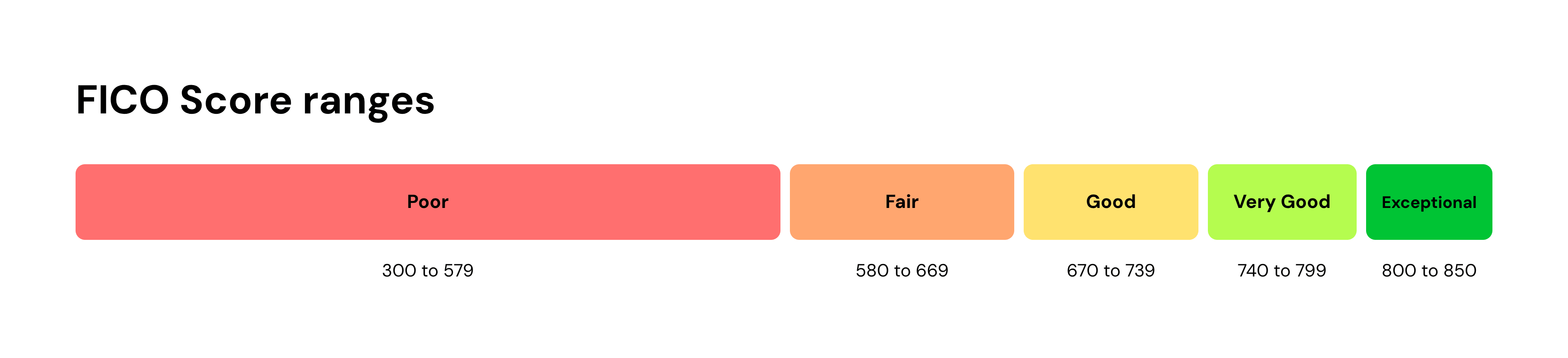
Card issuers don't usually publish minimum credit score requirements, but airline credit cards are generally designed for people with good credit or better. That typically means a FICO Score of 670 or higher, but issuers may have their own criteria.
In addition to your credit score, issuers will review your credit history, income, existing debt, and recent applications to determine whether to approve your application.
Because credit card applications usually trigger a hard inquiry, get prequalified first. It uses a soft inquiry that doesn’t affect your credit, though it isn’t a guaranteed approval.
How to build credit to qualify for an airline card
If your credit score isn't high enough to get approved for an airline credit card, here are some steps you can take before you apply:
- Add on-time payments to your credit file. A secured card or a credit-builder loan can do this, as can a credit building app.
- Dispute anything that’s wrong. Get your free reports from all three bureaus weekly at AnnualCreditReport.com. If something’s inaccurate, you can dispute it directly with the bureau for free.
- Keep card balances low. If you already have a few cards, using less of your available credit can help your score.
Bottom line
An airline card is worth it when you fly one airline often, use perks you’d otherwise pay for, and pay in full each month. If you book on price, a general travel card or a no-fee cash back card is a better fit.
Payment history is the biggest factor in your FICO Score, which issuers check before you apply. If you’re still building that record, Kikoff’s Credit Account reports your on-time payments to all three credit bureaus, with no credit check to sign up. Plans start at $5 a month.
Frequently Asked Questions
Article Sources
Disclaimer: The information provided in this blog post is meant for informational purposes only and does not constitute financial advice.