.jpg)


Most consumers know that reporting on-time payments can help boost their credit score. But did you know you can report your utility bills to the credit bureaus to help build credit? Here's how it works and how to get started.
Do utility bills help build credit?
Utility bills — electricity, gas, water, phone, and internet — are not automatically reported to the credit bureaus. That means years of on-time utility payments typically don't appear on your credit report or help your score by default.
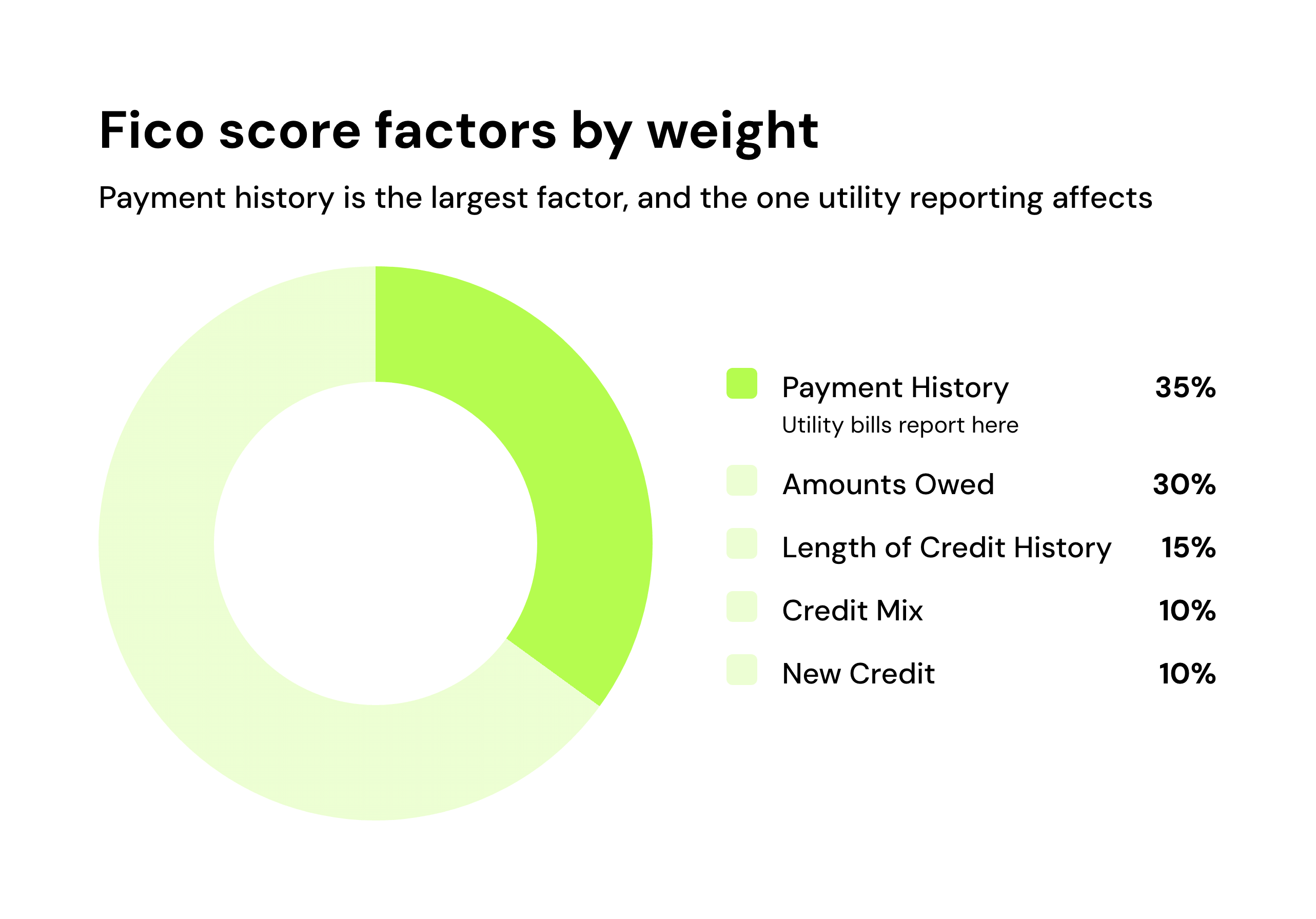
However, several services now allow you to have utility payments reported. When they are reported, on-time payments count as positive payment history, which is the single largest factor in your credit score (35%).
Services that report utility payments
A few services can add utility payment history to your credit file:
- Experian Boost — Free service that reports phone, utility, and streaming service payments directly to Experian
- Kikoff — Reports verified bill payments to the bureaus as part of its credit-building platform
- Rent and bill reporting services — Some third-party services report both rent and utility payments for a monthly fee
What to watch out for
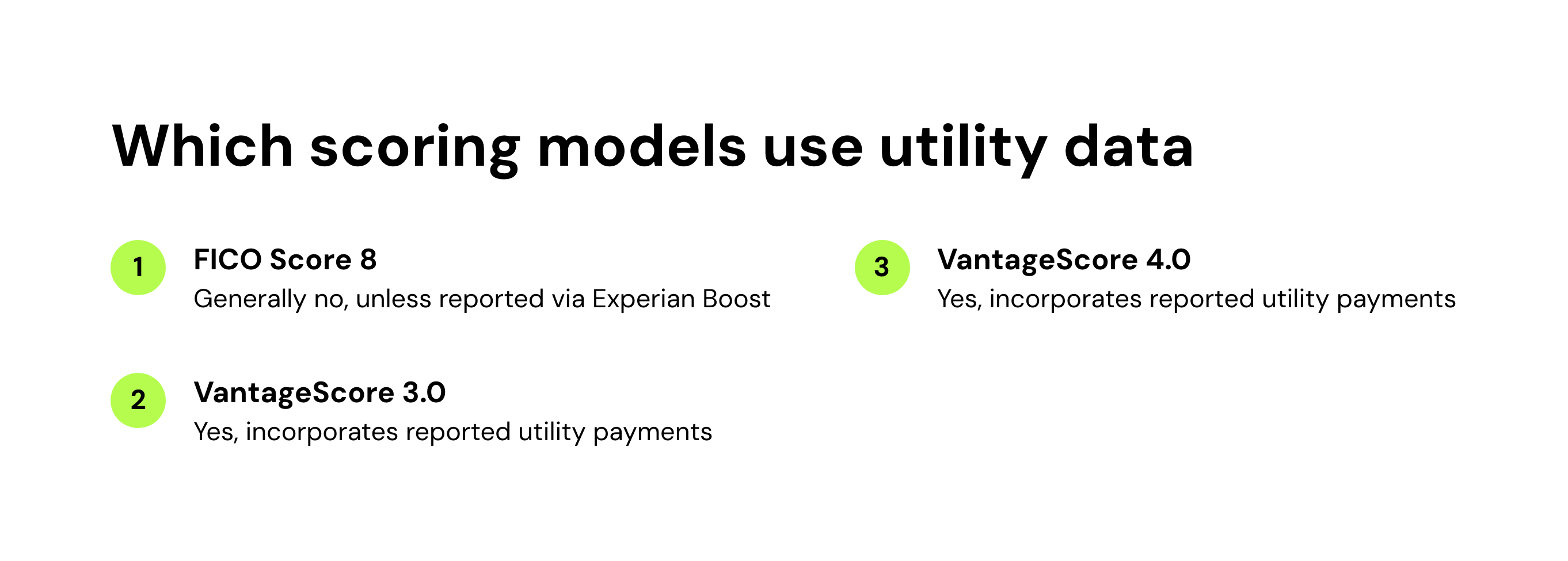
Not all credit scores use reported utility data. FICO Score 8 (the most widely used) generally doesn't incorporate utility data unless it goes through Experian Boost. VantageScore 3.0 and 4.0 may factor it in.
If a utility account goes into collections, it can hurt your credit regardless of whether the account was enrolled in a reporting service. Late or missed utility payments can appear as derogatory marks.
Other ways to build credit alongside utility reporting
Utility reporting works best as a complement to a broader credit strategy:
- Open a secured credit card for revolving credit history
- Consider a credit builder loan
- Report your rent payments through a service like Kikoff
Conclusion
Utility bill reporting is a simple, low-effort way to add positive payment history to your credit profile. Combined with other credit-building tools, it can meaningfully accelerate your progress. Kikoff makes it easy to report rent, bills, and build credit all in one place. Start building today.
Frequently Asked Questions
About the editor

Disclaimer: The information provided in this blog post is meant for informational purposes only and does not constitute financial advice.