.jpg)
.jpg)


.jpeg)
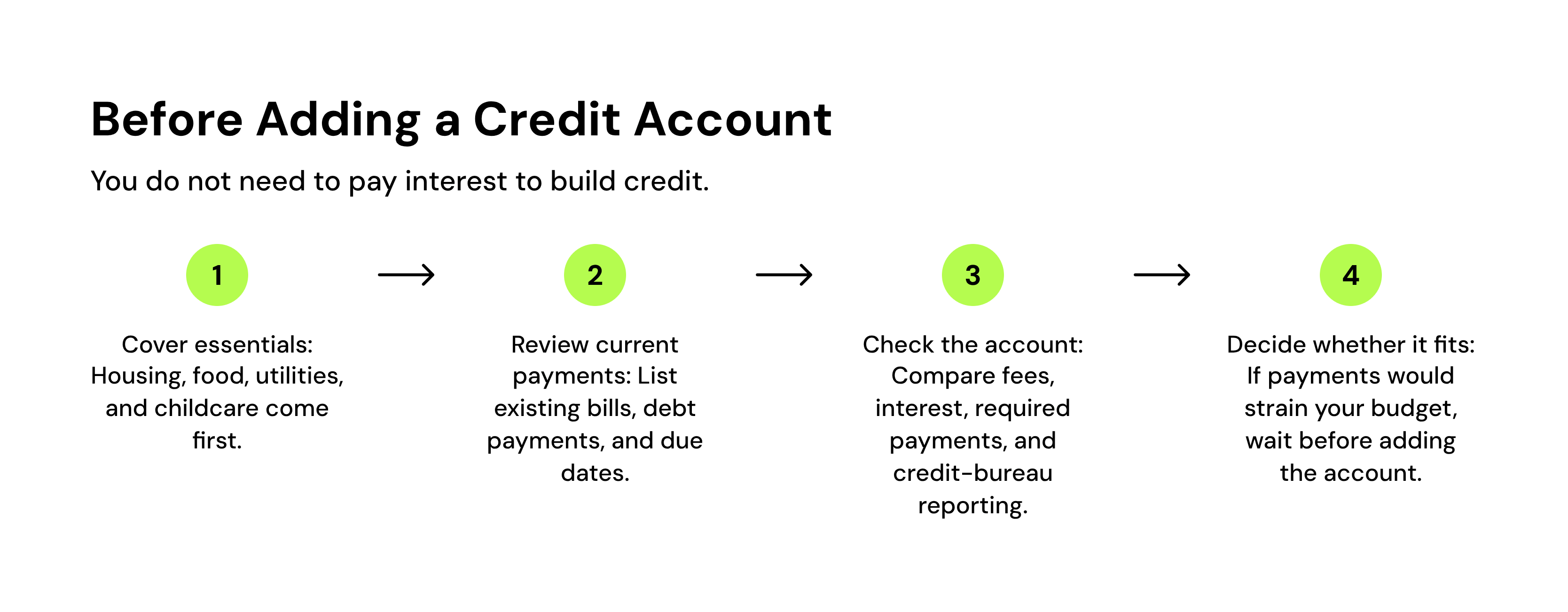
When you’re raising a child and managing household bills, building credit can feel like one more thing competing for your time and money. You can build a positive credit history as a single parent, but the steps need to fit your budget.
Start with payments you already manage, check what’s being reported, and compare costs before adding a new account. You don’t need to borrow more than you can afford just to build credit.
How to build credit as a single parent: quick tips
Building credit does not require taking on a large debt or paying interest. Start by making your existing obligations easier to manage:
- List your monthly bills alongside their due dates and your paydays.
- Set payment reminders, or use autopay if you can reliably keep enough money in the account.
- Check whether your landlord or a rent-reporting service can report your payments.
- Compare costs before adding another monthly commitment.
Kikoff’s Rent Reporting is one option for reporting eligible rent payments. Before enrolling, check the current cost, which bureaus receive the information, and whether the service fits your budget. Note that not every credit-scoring model considers rent payments.
How credit works for single parents
Credit scoring works the same way whether you’re a single parent or share household expenses with someone else. Your income and marital status are not factors in your FICO Scores, although lenders may consider income when deciding whether to approve you.
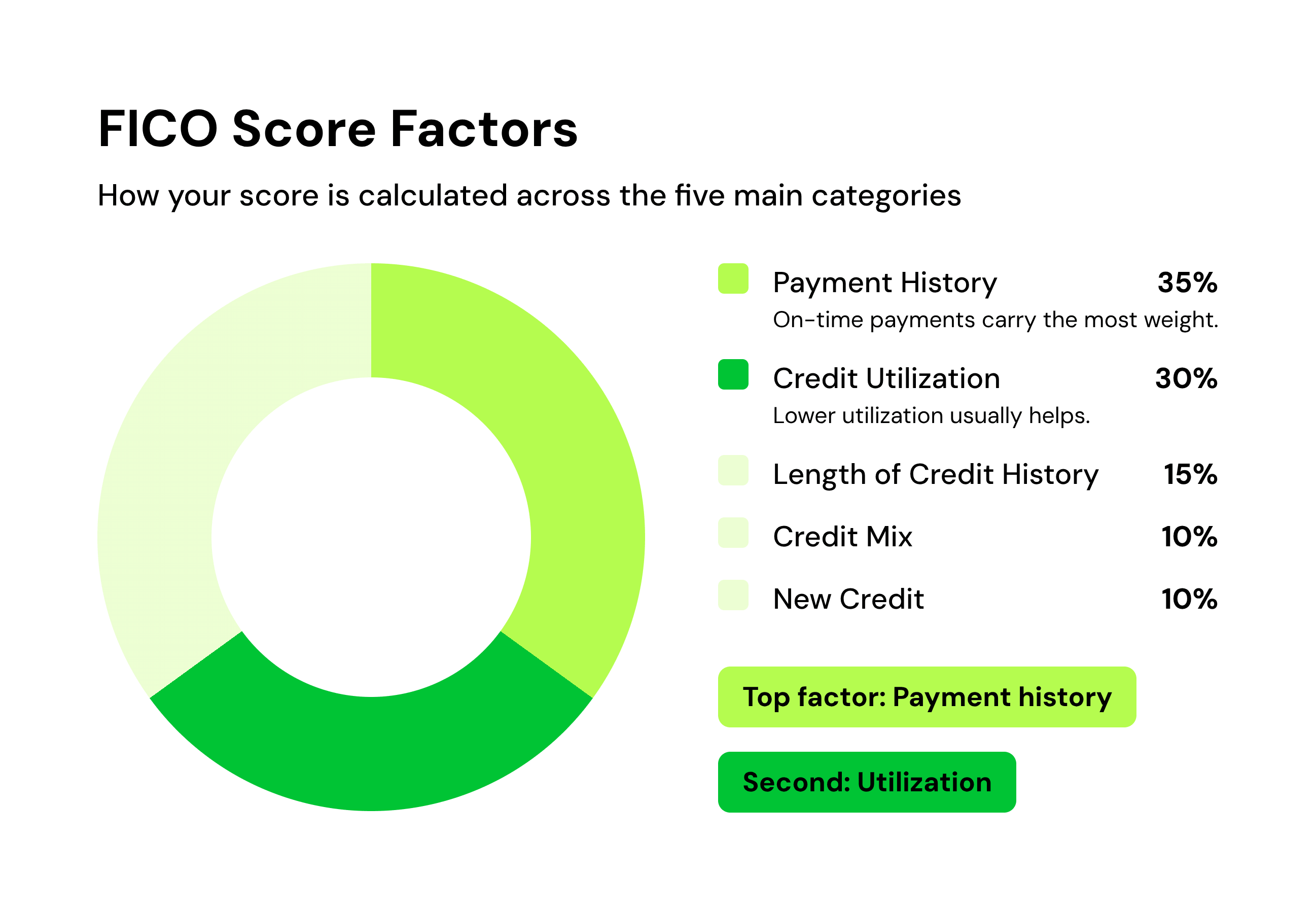
Credit bureaus collect account information, and scoring models use that information to calculate scores. The main FICO categories are:
- Payment history: Whether you pay credit accounts on time
- Amounts owed: Your balances, including how much available revolving credit you use
- Length of credit history: How long you’ve had credit accounts
- Credit mix: The types of credit accounts you have
- New credit: Recent applications and newly opened accounts
Opening several accounts at once can add payments to your budget and affect your credit. If you already have credit cards, focus on making payments on time and reducing balances when you can.
If you have no credit history, one affordable account that reports your payments may be a useful starting point. Check its fees and requirements before applying.
Read more >> How to Read a Credit Report
How to use credit responsibly on a single income
When you’re managing household expenses solo, a surprise bill can leave little room to adjust. Before borrowing, consider how the payment will fit alongside the expenses you already cover.
Choose credit-building tools only if their costs leave room for essentials such as housing, food, utilities, and childcare. A new account should not make it harder to cover what your family needs.
- Compare the total cost of an account, including interest and fees.
- Set aside a small emergency cushion when possible.
- Review your credit reports for unfamiliar accounts or errors.
- Aim to pay your credit card’s full statement balance by the due date. If that isn’t possible, pay at least the minimum on time.
If an unexpected expense leaves you short, contact the creditor before the payment is due and ask about hardship options. A nonprofit credit counselor can also help you review your budget and debt payments.
Kikoff’s Credit Account is a free revolving credit line used only for purchases in the Kikoff Store. It charges no interest and reports your on-time payments to all three credit bureaus, with no hard credit check to sign up. Any purchases you finance still need to fit your budget.
Common mistakes to avoid
When money and time are tight, a few account choices can make things harder. Watch out for these common mistakes:
- Applying for too many accounts at once
- Overlooking a payment because the amount is small
- Closing a credit card without checking how it affects your available credit and ongoing costs
- Using products with high interest rates that claim to “build credit faster”
- Confusing credit building with credit repair
Credit takes time to build, and the results depend on your starting history and the activity reported. Be cautious of products that promise a quick result.
A late credit-card payment generally isn’t reported to the bureaus until it is at least 30 days overdue, although fees can apply sooner. If you miss a due date, pay as soon as you can and contact the issuer if you need help.
Read more >> What Happens if You Miss a Credit Card Payment
Bottom line
Building credit as a single parent starts with a plan that leaves room for your family’s needs. Organize your payment dates, keep existing accounts manageable, and compare costs before adding anything new.
If you miss a payment, focus on getting back on track and asking for help early. One setback does not erase all the work you’ve done.
Kikoff’s Credit Account reports your on-time payments to all three credit bureaus, with no hard credit check to sign up. If it fits your budget, start building a positive credit history with Kikoff.
Frequently Asked Questions
Article Sources
Disclaimer: The information provided in this blog post is meant for informational purposes only and does not constitute financial advice.