.jpg)



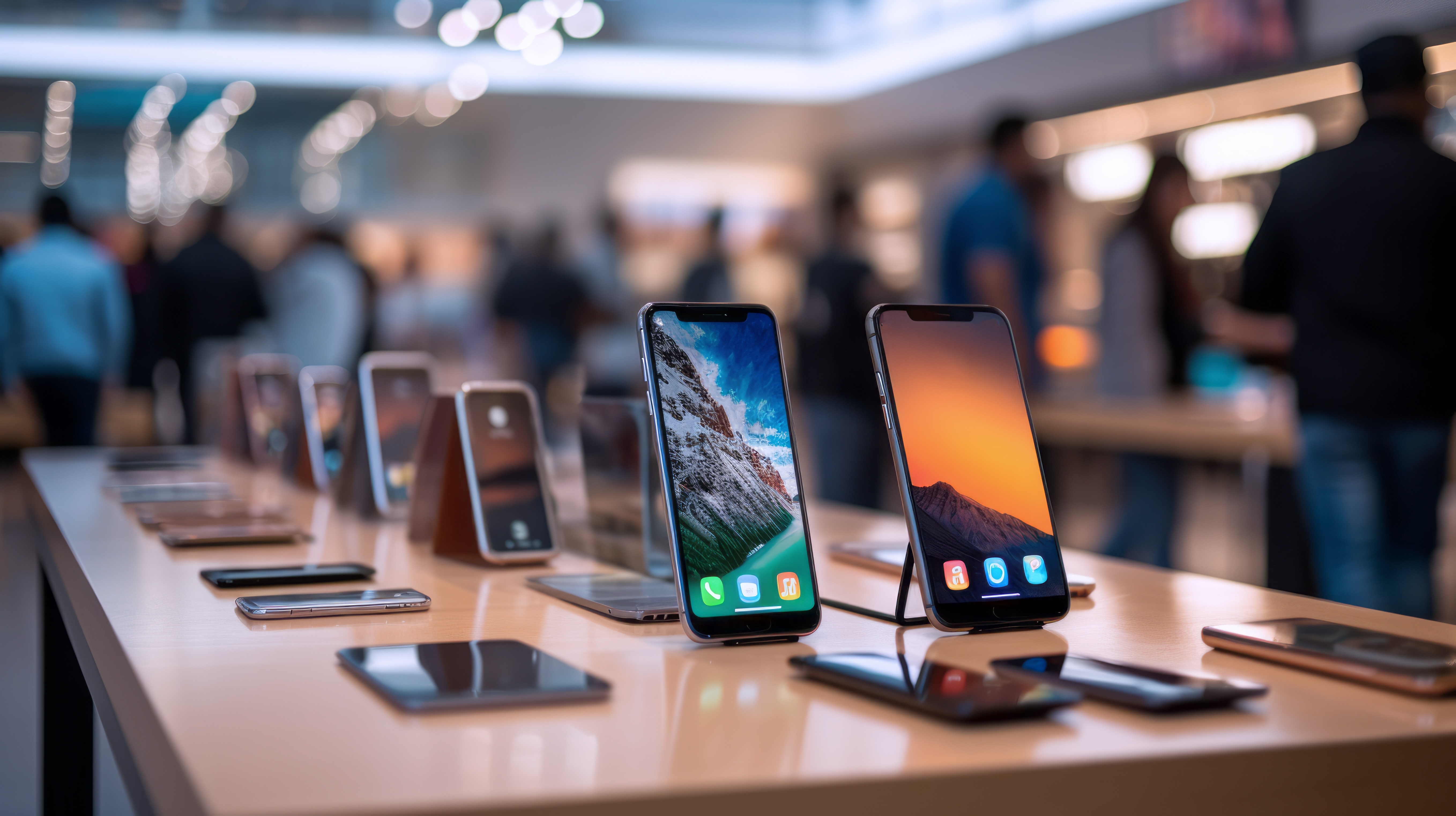
New phones are expensive, ranging up to $1,000 or more, depending on the model, which is why many carriers allow you to finance one. You pay for it over two to three years as part of your wireless bill instead of all at once.
Whether that helps your credit comes down to whether the company reports your payments to the credit bureaus. Most don’t. But many will report a missed payment, which means phone financing can hurt your credit without ever helping it.
Does financing a phone build credit?
Financing a device won’t help your credit unless the carrier or financing company sends that payment activity to the major credit bureaus. And most carriers don’t.
The answer depends on how you pay for your phone.
Not reported: Financing through your carrier
Most carriers don’t report monthly account payments to the bureaus, even when a financed device is built into your bill. You can pay on time for two full years and have little to show for it on your credit report.
Carriers often check your credit before approving financing, which can be confusing. But checking and reporting are different things. And when checking, the carrier typically runs a soft credit check, which looks at your file without adding to it or affecting your score.
Reported (but not for the reason you think): Paying with a card
Buying a phone with a credit card can build credit, but it’s the credit account doing the work, not the phone financing itself. Your card issuer reports the balance and your payments the same way it would for groceries or gas, and paying on time helps build your score.
Reported: Financing through a loan or branded store card
Some carriers offer loans or branded credit cards to cover your device. These do get reported, but applying triggers a hard inquiry on your credit report, and the new account lands on your report whether you pay it on time or not.
Read more >> What Is In-House Financing?
How to check if your phone financing reports to credit bureaus
Identify the company that provided the financing. You can also request a free copy of your credit report. You’re entitled to one free copy of your credit report per week from each of the three major credit bureaus at the government-backed AnnualCreditReport.com. If your device financing appears on your credit report, on-time payments can help your score over time.
If you didn’t apply for a credit card or pay for the device with an existing card, the activity probably isn’t included on your report. In this situation, the only way the account would go toward your score is if you missed too many payments and the carrier sent your account to collections.
Read more >> What’s the Average Monthly Phone Bill?
What happens if you miss a payment on a financed phone?
Missing a device payment could cause your service to be interrupted or suspended. If the financing company reports your account activity, the missed payment can also hurt your credit score.
Assuming the phone financing isn’t reported to the credit bureaus, a single missed payment probably won’t hurt your score. However, your score can dip if you miss several payments and your account is sent to collections.
Payment history is the most heavily weighted category in most credit scoring models, representing 35% of your FICO Score.
Read more >> The Importance of On-Time Payments in Building Credit
The risk runs one way. Most carriers don't report your on-time phone payments, so months of paying on time build nothing. But fall behind, and an unpaid balance can be sent to collections, which does land on your report.
Other ways to use your phone payments to build credit
Financing a phone won't do it, but the same principle works elsewhere: find a payment you're already making and get it reported.
Rent and utility reporting
Rent reporting sends those payments to the bureaus, and bill reporting does the same for utilities and other recurring bills. Since the money leaves your account either way, it’s like building credit for free.
Tools to track what’s working
Once payments are reported, you’ll want to see whether they landed. Kikoff pairs reporting with credit monitoring across the bureaus and Fynn, an AI credit coach that answers questions about what you’re looking at.
Read more >> How Often Do Credit Reports Update?
Bottom line
Most wireless carriers don’t report on-time phone payments, but they will send a missed one to collections.
If you want payments that count, they need to go to a lender that reports it. Kikoff’s Credit Account reports your on-time payments to all three credit bureaus, no hard credit check required, with plans starting at $5 a month.
Frequently Asked Questions
Disclaimer: The information provided in this blog post is meant for informational purposes only and does not constitute financial advice.