





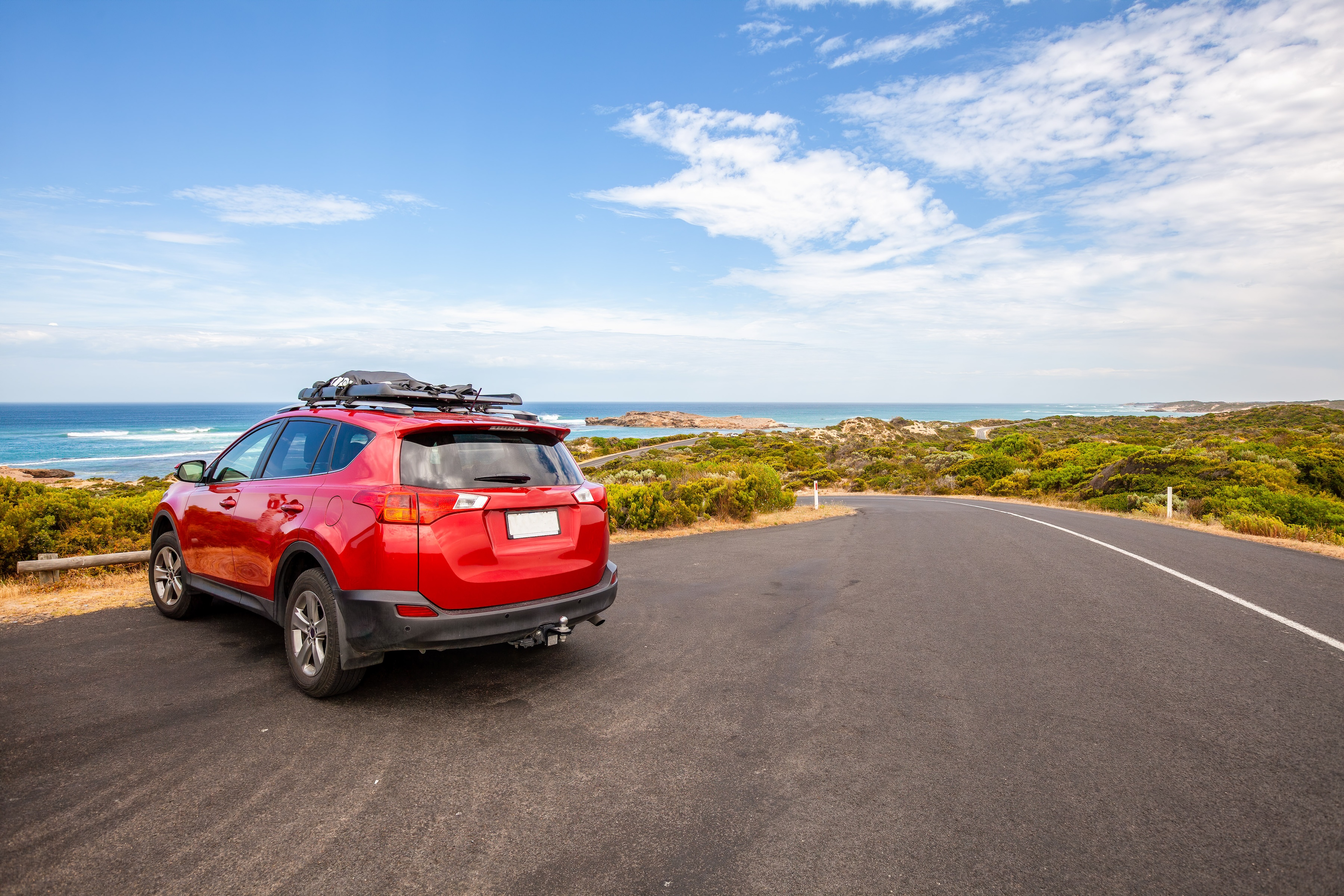
Found a low-mileage car in your price range, in the exact shade of red you wanted? The color typically doesn't add a cent to your insurance. Insurers price the car and the driver, not the paint. Here’s what they actually look at, including one factor most people don’t expect: your credit.
Are red cars more expensive to insure?
No. It’s a pervasive myth, and it comes from red sports cars. Powerful cars like Corvettes and Mustangs genuinely do cost more to insure: They’re fast, so crashes tend to be more expensive, and their parts cost more to repair or replace.
Color isn’t a standard rating factor for underwriting auto insurance. It isn’t encoded in your VIN, and insurers don’t ask for it on an application, so there’s no data for them to price on even if they wanted to. What they do price is make, model, engine size, repair cost, safety record, and theft rates.
Read more >> How Auto Insurance Works
What actually determines your car insurance rate
Your driving record
Nothing affects your premium more than how you drive. At-fault accidents, speeding tickets, and DUIs all signal higher risk, and insurers price for it. Most look back three to five years, pulling your record from the DMV, so an older violation eventually stops counting against you.
Your credit history (in most states)
In most states, car insurance companies can consider information from your credit history when setting rates. However, insurers don’t use the same credit scores as lenders do. Instead, they use a credit-based insurance score. Credit-based insurance scores predict your likelihood of filing an insurance claim.
As of October 2026, California, Hawaii, Massachusetts, and Michigan ban insurers from using credit to price car insurance. A few others limit it:
- In Maryland, an insurer can use your credit to price a new policy but can’t use it to turn you down, cancel or not renew your policy, or raise your premium at renewal.
- In Oregon, credit can’t be the reason a policy is canceled or not renewed. It can count toward declining you for coverage, but only alongside other factors. You can also ask your insurer to re-rate your policy once a year.
- In Utah, auto insurers can use credit only to lower your rate or alongside other factors.
Rules change, so check with your state’s insurance department to learn how it works where you live.
Vehicle make, model, and year
If you have a high-end vehicle or a car with expensive parts, your insurance premiums are likely to be higher. A car with newer safety features may lower costs.
Your location and mileage
If you live in an area with heavy traffic or high theft rates, your insurance company may charge you more. Driving many miles in a year puts you at a higher risk of getting into an accident, so your rates might increase due to mileage as well.
Your age
Drivers under 25 pay more because inexperience shows up in the data. The Insurance Institute for Highway Safety puts the crash rate for teen drivers at nearly four times that of drivers 20 and older per mile driven.
Rates tend to rise again for the oldest drivers, though for a different reason: they drive fewer miles, but per mile driven, crash rates climb again starting in their 70s.
Read more >> Do Car Insurance Companies Check Your Credit Score?
Your insurance score isn’t your credit score. A traditional credit score predicts whether you’ll repay a loan. A credit-based insurance score predicts whether you'll file a claim.
Insurers weigh the factors differently, and the score is just one input alongside your driving record, claims history, and location. If credit costs you a policy or raises your price, the Fair Credit Reporting Act requires the insurer to tell you and name the bureau it used. Pull that report free at AnnualCreditReport.com and dispute anything wrong at no cost.
Bottom line
Your car’s color won’t change what you pay. Your driving record, your car, where you live, and in most states your credit will. If you’re in a state where credit counts, the part of your rate you can work on over time is your credit history, and Kikoff reports on-time payments to all three bureaus. Plans start at $5 a month.
Frequently Asked Questions
Article Sources
Disclaimer: The information provided in this blog post is meant for informational purposes only and does not constitute financial advice.