



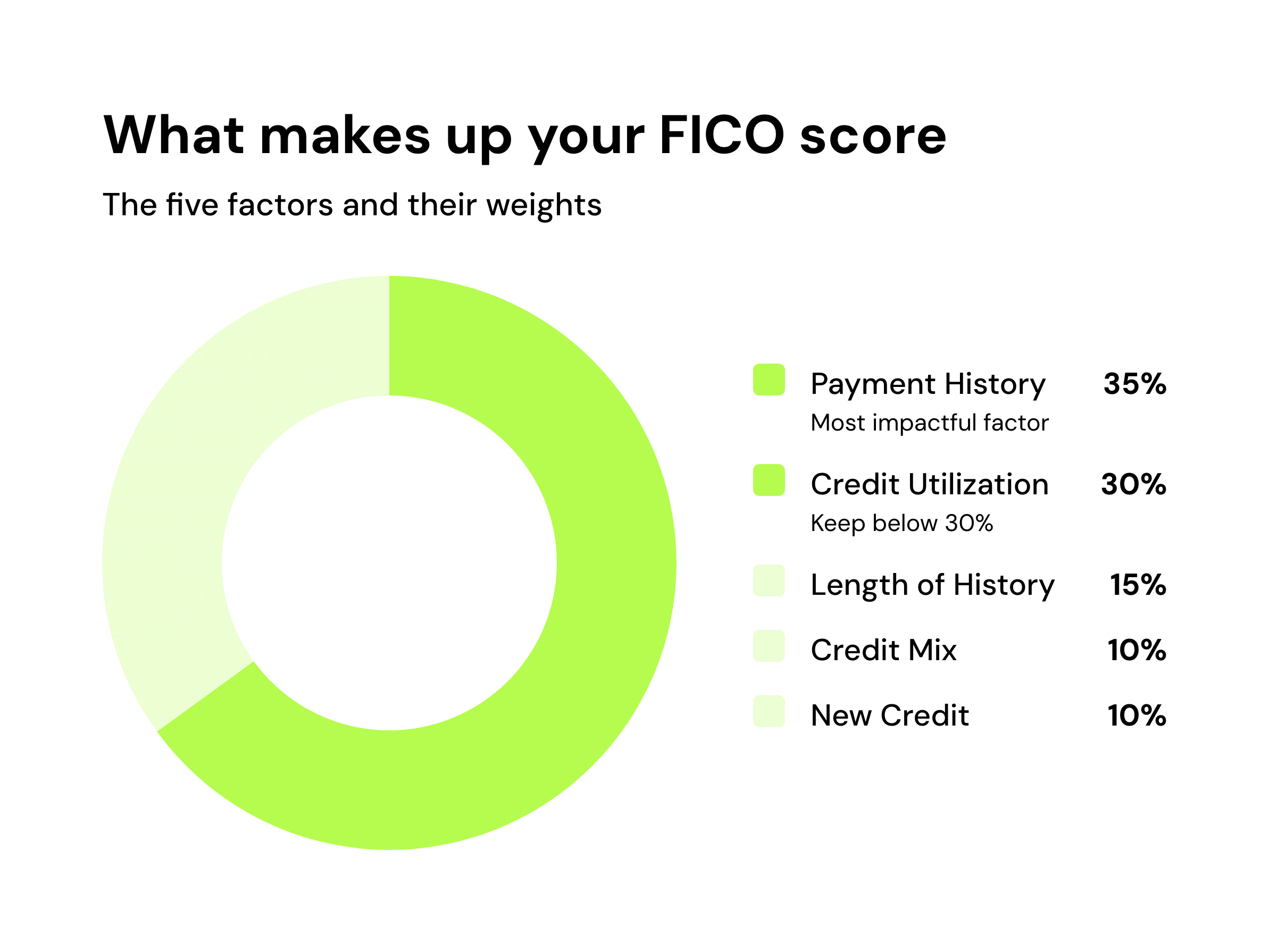
Building a strong credit score in 2025 requires strategic action across all five major scoring factors: payment history (35%), credit utilization (30%), credit history length (15%), credit mix (10%), and new credit inquiries (10%). The most effective approaches focus on consistent on-time payments, maintaining low credit utilization below 30%, and leveraging innovative credit-building tools that remove traditional barriers. With proper implementation, most people can see meaningful score improvements within 30-90 days.
Modern credit-building has evolved beyond traditional credit cards and loans. Technology-driven solutions now offer accessible paths to credit improvement without requiring bank accounts, co-signers, or existing credit history. This guide outlines ten research-backed strategies that work for everyone—from credit beginners to those rebuilding after setbacks.
1. Use Kikoff to Build Credit Safely and Responsibly
Credit-building fintech refers to technology-powered services that enable safe, affordable ways to establish or improve credit for underserved consumers. Kikoff exemplifies this approach by offering a $750 credit line for just $5 monthly, with no hidden fees or interest charges.
The platform reports positive payment history to all three major credit bureaus, Experian, Equifax, and TransUnion, just like traditional credit products. Users simply make purchases from Kikoff's online store and repay the balance, creating consistent positive payment history without the risk of debt accumulation.
Kikoff's automated payment systems ensure users never miss payments, protecting against the score damage that late payments cause. This technology-first approach makes credit building accessible to anyone with basic internet access, regardless of their banking situation or credit history.
Key Takeaway: Kikoff provides a low-cost, no-interest credit line that reports on-time payments to all three bureaus, giving a safe entry point for credit-building.
2. Pay Your Bills on Time Every Month
Payment history accounts for 35% of your FICO score, making it the single most important factor in credit scoring.
Credit-building services like Kikoff eliminate payment timing stress through automated systems that ensure payments are always made on time. This removes human error from the equation and guarantees consistent positive reporting to credit bureaus.
Key Takeaway: Automating payments and paying early safeguards your payment history, the most influential FICO factor.
3. Keep Your Credit Utilization Below 30 Percent
Credit utilization measures the percentage of your available revolving credit currently in use and comprises 30% of your FICO score calculation.
Key Takeaway: Keeping utilization under 30% (ideally under 10%) drives quick score gains.
4. Regularly Review Your Credit Reports for Errors
Credit report errors affect millions of consumers and can unfairly damage credit scores.
Dispute process for credit report errors:
- Obtain reports from Experian, Equifax, and TransUnion
- Highlight any inaccurate or incomplete information
- Submit dispute credit report errors online through each bureau's website
- Provide supporting documentation for your claims
- Follow up within 30 days for investigation results
Most legitimate disputes result in corrections within 30-45 days, potentially providing immediate score improvements when negative errors are removed. You can use Kikoff to easily file dispute's.
Key Takeaway: Frequent, free credit-report checks let you spot and dispute errors that may be hurting your score.
5. Limit Hard Inquiries by Reducing New Credit Applications
A hard inquiry occurs when lenders check your credit report for new credit applications, temporarily lowering your score by several points. Each hard inquiry can remain on your credit report for up to two years, though the scoring impact typically diminishes after 12 months.

Soft inquiries, such as checking your own credit score or pre-approved offers, don't affect credit scores and can be performed unlimited times without impact.
Key Takeaway: Protect your score by limiting hard pulls and using soft-inquiry pre-qualifications whenever possible.
6. Add Positive Payments Like Rent and Utilities to Your Credit Report
Alternative data includes non-traditional payments like rent, utilities, and subscription services that typically aren't reported to credit bureaus but demonstrate responsible payment behavior. Reporting these payments can significantly boost scores, especially for those with limited credit history.
Services like Kikoff allow consumers to connect bank accounts and add positive payment history from:
- Rent payments to landlords or property-management companies
- Utility bills (electricity, gas, water, internet, phone)
- Streaming services and subscription payments
- Insurance premiums
Key Takeaway: Reporting rent and utility payments via services like Kikoff can add score-boosting positive data quickly.
7. Maintain a Healthy Mix of Credit Accounts
Credit mix represents the variety of credit account types on your credit report and comprises 10% of your FICO score.
Strategies for improving credit mix:
- Add a credit-builder loan if you only have credit cards
- Consider a secured credit card if you only have installment loans
- Use Kikoff's credit line as a safe way to add revolving-credit experience
- Avoid opening accounts solely for mix improvement—only add accounts you'll use responsibly
Key Takeaway: A balanced portfolio of revolving and installment credit, managed responsibly, strengthens your credit mix score factor.
8. Pay Down Existing Debt and Avoid Collections
High debt balances increase credit utilization and create financial stress that can lead to missed payments. Prioritizing debt reduction improves both credit utilization ratios and overall financial health.
Collection prevention steps:
- Contact creditors immediately when facing payment difficulties
- Request payment plans or hardship programs before accounts go delinquent
- Negotiate reduced payments or temporary forbearance
- Consider credit-counseling services for debt-management plans
- Use AI-powered tools like Kikoff's Debt Negotiation agent for professional guidance
Key Takeaway: Proactively managing and reducing debt prevents collections and improves utilization, both vital for score recovery.
9. Keep Old Accounts Open to Strengthen Credit History
Credit history length accounts for 15% of your FICO score and includes both the age of your oldest account and the average age across all accounts. Closing old accounts can inadvertently harm your score by reducing your average account age and total available credit.
Key Takeaway: Keep long-standing accounts open (unless costly) to protect history length and available credit.
10. Make More Than the Minimum Payments When Possible
Making only minimum payments extends payoff timelines and increases total interest costs while keeping balances high longer. Additional payments accelerate debt reduction and improve credit utilization faster.
Key Takeaway: Paying above the minimum—and timing payments before statements close—lowers utilization and interest, speeding up score improvement.
Frequently Asked Questions
What Are the Most Effective Steps to Quickly Raise My Credit Score?
The fastest credit score improvements come from paying all bills on time, reducing credit card balances below 30% utilization, disputing credit report errors, and limiting new credit applications. Most people see improvements within 30-60 days when focusing on payment history and utilization reduction. You can lower your utilization and increase positive payment history by using services, such as Kikoff.

How Can I Check My Credit Score and Credit Report?
Access free weekly credit reports from all three bureaus at AnnualCreditReport.com. Many banks, credit unions, and financial apps provide free monthly credit score monitoring.
Should I Close Old or Unused Credit Cards?
Generally, keep old credit cards open unless they carry annual fees that outweigh benefits. Old accounts strengthen your credit-history length and maintain total available credit, both beneficial for your score.
How Do Hard Inquiries Affect My Credit Score?
Each hard inquiry typically lowers your credit score by 2-5 points temporarily. Multiple inquiries for the same type of credit (auto loans, mortgages) within a 14-45-day window count as a single inquiry. The impact diminishes over 12 months, and inquiries fall off credit reports after two years.
Can Reporting Rent and Utility Payments Help Improve My Credit?
Yes, services like Kikoff can add positive payment history from rent, utilities, and subscriptions to your credit report. This strategy particularly benefits those with limited credit history.
Frequently Asked Questions
About the editor

Disclaimer: The information provided in this blog post is meant for informational purposes only and does not constitute financial advice.