.jpg)
.jpg)



A strong credit history can make it easier to qualify for loans, rent a home, and access competitive borrowing terms. Errors and identity theft can interfere with that history, which is why federal law gives consumers tools to review and protect their credit information.
The Fair and Accurate Credit Transactions Act of 2003, commonly called FACTA, expanded those protections. It amended the Fair Credit Reporting Act, or FCRA, with provisions addressing free credit reports, identity theft, information security, and certain credit disclosures.
What does FACTA stand for?
FACTA stands for the Fair and Accurate Credit Transactions Act. Congress enacted it in 2003 as an amendment to the FCRA, the federal law that governs how consumer reporting companies and businesses use credit-report information.
FACTA did not replace the FCRA. It added protections intended to improve the accuracy of consumer reports, help people detect and respond to identity theft, and reduce the exposure of sensitive information. The Federal Trade Commission’s FCRA overview explains that FACTA primarily expanded the law’s record-accuracy and identity-theft provisions.
What consumer protections did FACTA add?
FACTA covers several areas that can affect how you monitor your credit and respond to suspicious activity.
Free access to credit reports
FACTA established the right to request a free credit report from each nationwide credit bureau once every 12 months. AnnualCreditReport.com is the federally authorized website for requesting those reports, as the FTC’s free credit report guidance explains.
The three nationwide bureaus currently allow consumers to check their reports online weekly through AnnualCreditReport.com. That expanded schedule is separate from the federal right to one free annual report from each bureau.
A credit report is also not the same as a credit score. FACTA’s free-report provision does not include a right to a free credit score.
Reviewing all three reports can help you find accounts you do not recognize, incorrect balances, or other information that may require attention.
Fraud alerts and identity-theft records
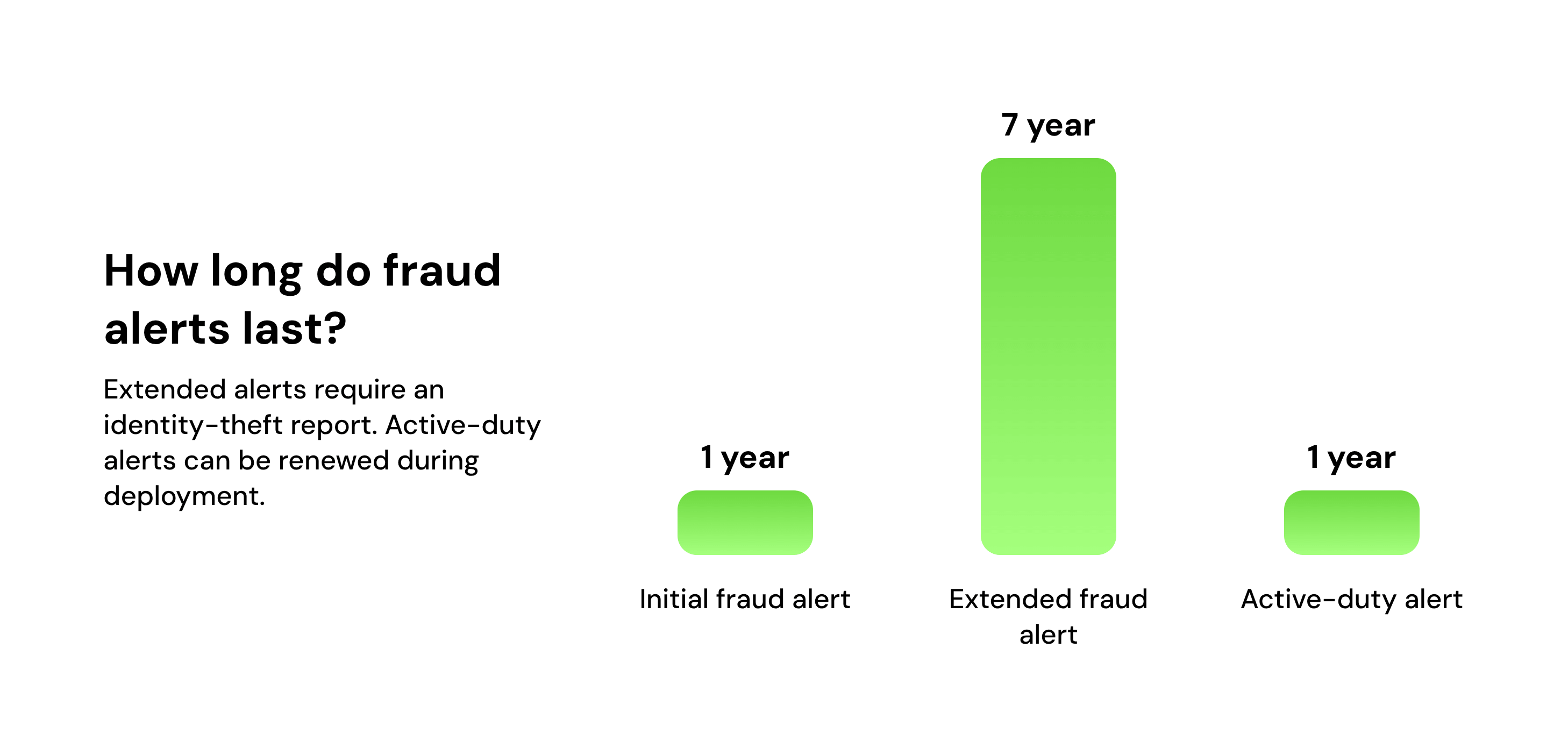
If you believe you are or may become a victim of identity theft, you can ask one of the three nationwide credit bureaus to place a fraud alert on your file. That bureau must notify the other two. An initial fraud alert lasts one year and tells businesses to take reasonable steps to verify your identity before opening new credit.
An extended fraud alert lasts seven years and requires an identity-theft report. Eligible active-duty service members can request an active-duty alert, which lasts one year and can be renewed for the duration of a deployment.
FACTA also created procedures that can help identity-theft victims block qualifying fraudulent information from their credit reports after providing the required documentation.
Truncated card numbers on receipts
Under FACTA, an electronically printed receipt given at the point of sale generally may show no more than the last five digits of a credit or debit card number and may not display the card’s expiration date. This rule reduces the amount of account information exposed on a discarded or lost receipt.
The restriction applies to electronically printed receipts. It does not apply in the same way to handwritten or manually imprinted receipts.
Secure disposal of consumer-report information
The FTC’s Disposal Rule requires businesses and individuals that use consumer-report information for a business purpose to take reasonable measures when disposing of it. Depending on the records and the organization, that may include shredding paper records or destroying electronic files so the information cannot practicably be read or reconstructed.
The rule applies to consumer-report information, not every business document or financial record.
Identity-theft prevention programs
The Red Flags Rule requires covered financial institutions and certain creditors with covered accounts to maintain a written identity-theft prevention program. A program must be appropriate for the organization’s size, activities, and identity-theft risks.
The rule does not apply to every business or every creditor. The FTC’s Red Flags Rule guide explains how organizations determine whether they are covered and what a compliant program should address.
Risk-based pricing disclosures
Some lenders use information in a credit report when setting a borrower’s interest rate or other terms. When a creditor offers materially less favorable terms based on that information, it generally must provide a risk-based pricing notice or an applicable credit-score disclosure.
The notice can help you understand that your credit information influenced the offer. It does not mean the information is necessarily inaccurate, and it does not require a lender to approve an application or offer its lowest rate.
Is a fraud alert the same as a credit freeze?
No. Both tools can help protect your credit file, but they work differently:
- A fraud alert allows businesses to access your credit report but tells them to verify your identity before extending new credit. You can contact one nationwide bureau, which must notify the other two.
- A credit freeze generally restricts prospective creditors from accessing your credit file. To freeze all three reports, you must contact each bureau separately.
Both are free. A credit freeze remains in place until you lift it and generally prevents new credit accounts from being opened in your name. A fraud alert leaves your report accessible but requires businesses to verify your identity before extending new credit.
Read more >> How to Freeze Your Credit
How does FACTA affect credit-report disputes?
Consumers already had the right to dispute inaccurate or incomplete credit-report information under the FCRA. FACTA strengthened the law’s accuracy framework and led to rules allowing consumers to submit qualifying disputes directly to the businesses that furnished information to a credit bureau.
If you find an error, the Consumer Financial Protection Bureau recommends disputing it with both the credit bureau and the company that supplied the information. Include copies of documents that support your position and keep records of what you send. Credit bureaus generally must investigate within 30 days, although limited exceptions and extensions can apply. The CFPB’s dispute guidance explains the process and provides sample letters.
Accurate negative information generally cannot be removed simply because it hurts your credit. A dispute is for information that is inaccurate, incomplete, duplicated, outdated, or otherwise improperly reported.
Read more >> How to Dispute Credit Report Errors
How does FACTA compare with the FCRA?
The FCRA is the broader federal credit-reporting law. Among other protections, it limits access to consumer reports to permissible purposes, gives consumers dispute rights, requires notices when report information contributes to an adverse decision, and limits how long most negative information may be reported.
FACTA is part of that framework. It amended the FCRA by adding or expanding protections such as:
- Free annual credit reports from the nationwide bureaus
- Fraud alerts and tools for blocking identity-theft information
- Truncation of card information on electronically printed receipts
- Secure disposal requirements for consumer-report information
- Identity-theft prevention requirements for covered organizations
- Risk-based pricing disclosures
In short, the FCRA created the main federal framework for consumer reporting, and FACTA updated that framework to address accuracy, transparency, and identity theft.
What should you do if you find suspicious or inaccurate information?
Start by reviewing reports from all three nationwide credit bureaus. An unfamiliar account may appear on only one report.
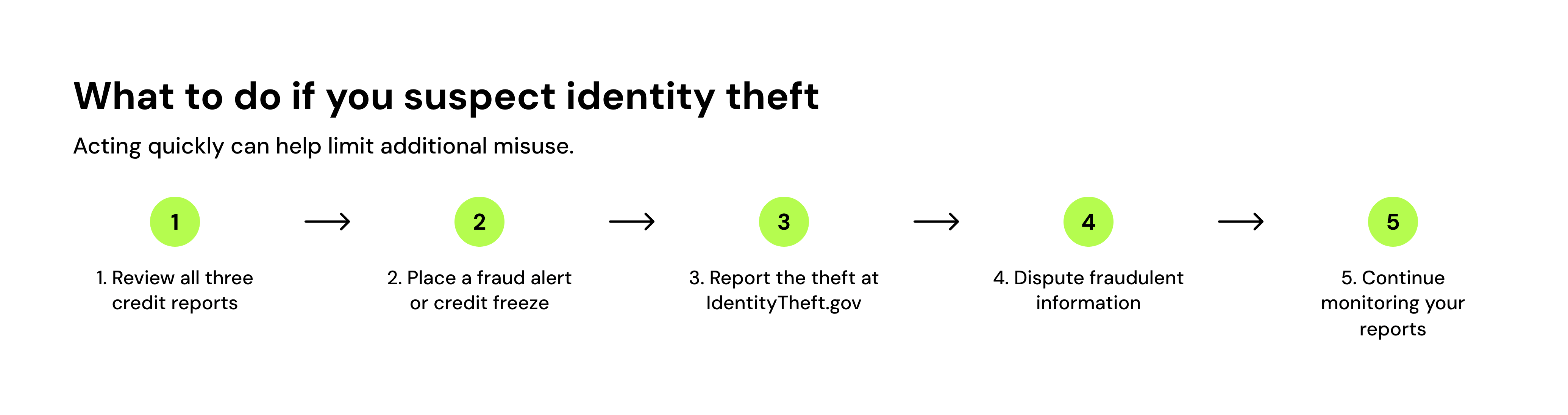
If you suspect identity theft, place a fraud alert or freeze your reports and report the incident through IdentityTheft.gov. Follow the recovery plan the site creates for you. If information is inaccurate but not related to identity theft, dispute it with the credit bureau and the furnisher.
If a bureau or furnisher does not resolve a supported dispute, you can submit a complaint to the CFPB. For advice about your rights in a specific situation, consider speaking with a qualified consumer-law attorney.
Read more >> How to Report Identity Theft
Bottom line
FACTA expanded the FCRA with practical tools for reviewing credit reports, responding to identity theft, protecting account information, and understanding when credit data affects loan terms. Knowing which protection applies can help you take the right next step when something on your credit report looks wrong.
Correcting inaccurate information is different from building positive credit history. Kikoff’s Credit Account reports your on-time payments to all three credit bureaus, with no hard credit check to sign up.
Frequently Asked Questions
Article Sources
Disclaimer: The information provided in this blog post is meant for informational purposes only and does not constitute financial advice.