


.jpg)



You probably already know that if you have poor credit or no credit at all, getting approved for loans, credit cards, and other types of credit can be tricky. But did you know that having a limited credit history or very few active accounts makes getting approved difficult, too?
This is called having a thin credit file. The good news is that if you have a thin credit file and are hoping to build up your credit, there are clear steps you can take to build it up.
What is a thin credit file?
Someone with a thin credit file only has a few active lines of credit (or "tradelines"). There's no set number of active tradelines that indicates a thin file. Some lenders might think your credit file is thin if you have one or two active tradelines. Others might view any file with fewer than five tradelines as being thin.
What's the difference between a thin credit file and having no credit history?
Having a thin credit history and having no credit at all can both cause problems when you want to apply for a car loan, credit card, or other type of credit. However, they refer to different situations. Unlike the limited history of a thin credit file, having no credit means you have no record of credit activity with any of the credit bureaus.
What's the difference between a thin credit file and bad credit?
Similarly, having bad credit can cause problems when you apply for credit. But having bad credit is not the same as having a thin credit file. Bad credit can have a number of different causes, including the following:
- Missing payments or making late payments
- High credit utilization
- Bankruptcies, court judgments, and other negative public records
- Applying for new credit too frequently
You can have bad credit regardless of how thick or thin your credit file is.
What causes a thin credit file?
What is a thin credit file caused by? There are several possibilities. These are some of them:
Limited or no credit accounts
This is the most obvious cause of a thin credit file. Many young adults have thin files because they simply haven't had the time to add many credit accounts to their reports.
However, it's possible to have a thin credit file even if you're older. If you don't use credit cards, buy vehicles in cash, or otherwise avoid using credit products, you can have a thin file at any age. Similarly, older adults who don't have many currently open and active accounts may find that their credit files are unexpectedly thin.
Short credit history
Once you open a credit account for the first time, it generally won't show up on your credit report immediately. The two credit scoring models, FICO and VantageScore, have different timelines for your initial credit report:
- FICO requires you to have had at least one account open for at least six months
- VantageScore has no minimum time requirement
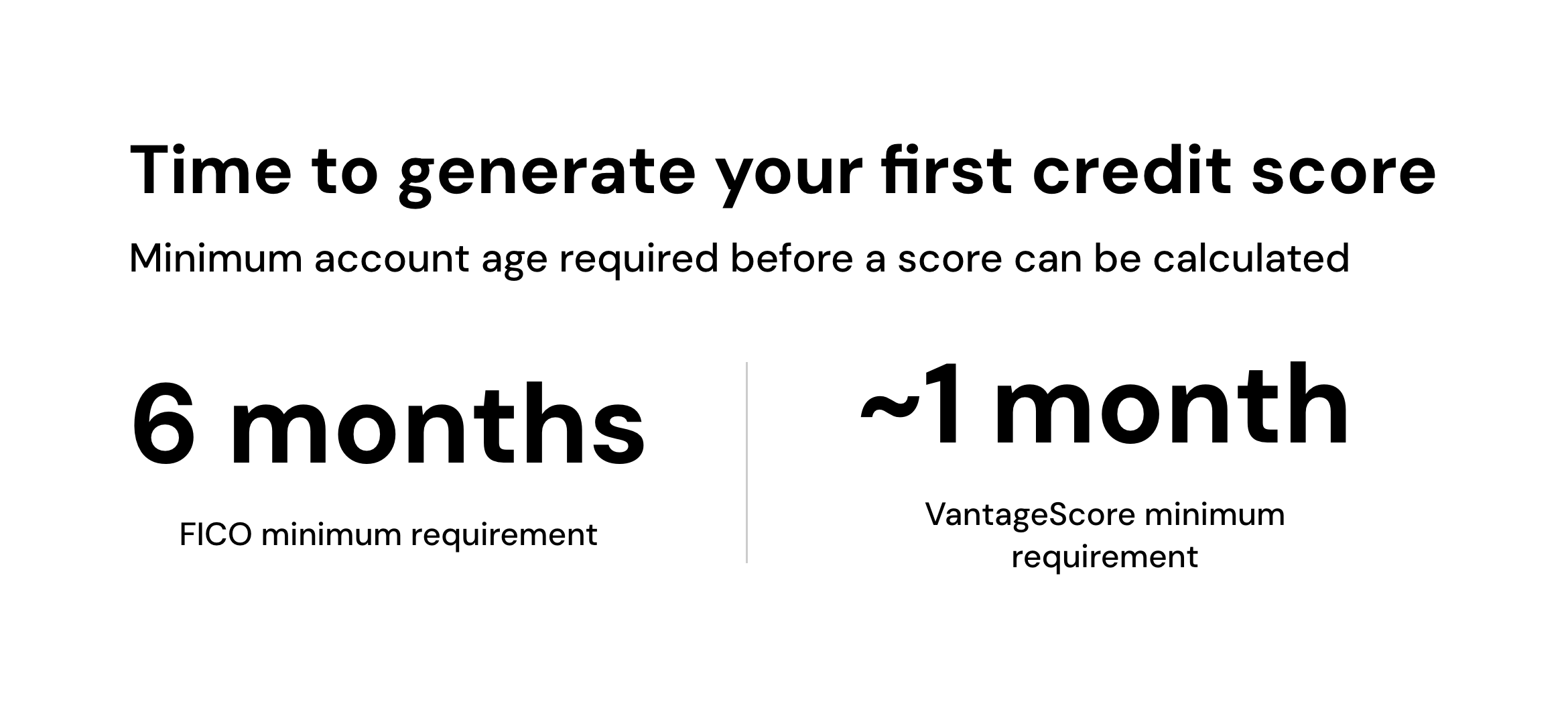
In many cases, consumers will have a VantageScore as quickly as a month after opening their first credit account. They have a credit score, but because their credit history is so short, their credit file is thin.
Being new to the U.S. credit system
Most countries have their own credit systems. However, when you come to the United States from another country, your credit records don't transfer. While you rebuild your credit, your credit file might be a bit thin for a few years.
How to build credit from a thin file
If you've discovered that you have a thin file, you probably realize that it's time to start focusing on building credit. But if you're like many people, you might be unsure of how to do that. Here are some tips for strengthening a thin credit file:
Open a credit-building account
As you may have already discovered, building credit with a thin file can be tough. Some lenders may deny your application because of your limited history, which makes it hard to get your foot in the door.
That's where credit-building apps like Kikoff come in. We offer a variety of tools that can help you build credit right from your phone:
- Credit lines
- Rent reporting
- Credit-builder loans
- Secured credit cards
- Free debt dispute tools
- Bill negotiation
We don't check your credit when you sign up, and we offer a range of free and premium memberships.
Apply for a student credit card
Getting a credit card and using it to cover regular purchases like gas or groceries can be a good way to build credit. However, some card issuers are hesitant to approve applications from those with thin credit files.
Student credit cards were designed for young adults and others with limited credit history. They aren't secured cards, but they typically have low credit limits. If you use credit responsibly over time, the card issuer may increase your credit limit.
Apply for a secured credit card
Secured credit cards are credit-building alternatives to student credit cards. They're commonly used by people with bad credit or limited credit histories.
With these cards, you start by making a deposit. That deposit becomes your credit line.
As long as you make all payments as agreed, the deposit will be refunded to you when you close the account (or when the card issuer upgrades you to a standard credit card).
Keep utilization low
If you have credit cards or other revolving lines of credit open, do your best to keep your total credit utilization low. Ideally, you shouldn't be using more than 30% of the total credit available to you. Maxing out your credit cards is a surefire way to dramatically lower your credit score.
Ask about becoming an authorized user
If you have a close friend or a family member with good credit, it might be worth asking if they would consider adding you as an authorized user to their account. When you're an authorized user, the account holder's positive credit history is applied to your credit report, too.
However, you should only ask to become an authorized user if you trust the account holder. If you're added as an authorized user and the account holder maxes out the card or stops making payments, it can seriously damage your credit score, too.
Report payments you're already making
Some services allow you to report your rent, utility bills, streaming service payments, and other payments you're already making to credit bureaus. These services can build up your credit file without you having to take on any additional debt.
Have a thin credit file? Don't be discouraged!
What is a thin credit file? Now that you know the answer, you can take meaningful steps to build a positive credit history and improve your credit score. Building credit takes dedication, but you'll likely reap the rewards when you apply for a loan or any other type of credit.
Frequently Asked Questions
About the editor

Disclaimer: The information provided in this blog post is meant for informational purposes only and does not constitute financial advice.