



Spotting Wakefield & Associates on your credit report can catch you off guard, especially if you don't immediately recognize the name or know what debt they're collecting on.
Collection accounts are one of the most damaging entries a credit report can carry, so understanding your options quickly is important.
In this post, we'll walk through exactly what Wakefield & Associates is, why it might be on your report, and the specific steps you can take to dispute or remove it.
How to remove Wakefield & Associates from your credit report
Removing Wakefield & Associates from your credit report generally comes down to one of three paths: disputing inaccurate information, requesting debt validation, or negotiating a pay-for-delete agreement.
Let's jump in.
Step 1: Pull your credit reports and review the entry
You can pull all three of your credit reports for free at annualcreditreport.com, where you're entitled to one free report from Equifax, Experian, and TransUnion every year.
Step 2: Determine whether the debt is valid
Wakefield & Associates is a third-party debt collection agency, which means they purchased or were assigned a debt from an original creditor, be it a medical provider, utility company, or other business.
Step 3: Send a debt validation letter
Every individual has the right under the Fair Debt Collection Practices Act (FDCPA) to request that a debt collector verify a debt before you pay it. Send your validation request in writing via certified mail with return receipt.
Step 4: Dispute inaccuracies with the credit bureaus
If the Wakefield & Associates entry contains inaccurate information, you have the right to dispute it directly with Equifax, Experian, and TransUnion.
You can file disputes online through each bureau's website, or use a tool like Kikoff, which provides free dispute letter generation. A 609 dispute letter is another option worth knowing about.
Step 5: Negotiate a pay-for-delete agreement
If the debt turns out to be valid and accurately reported, your best remaining option is to negotiate a pay-for-delete agreement with Wakefield & Associates. Just make sure you get any pay-for-delete agreement in writing before sending a single payment.
Step 6: Wait for the account to age off
Under the Fair Credit Reporting Act (FCRA), collection accounts must be removed from your credit report seven years from the original date of delinquency.
What is Wakefield & Associates?
Wakefield & Associates is a third-party debt collection agency headquartered in Aurora, Colorado. They mainly collect on behalf of healthcare providers, including hospitals and physician practices.
Why a Wakefield & Associates entry can hurt your score
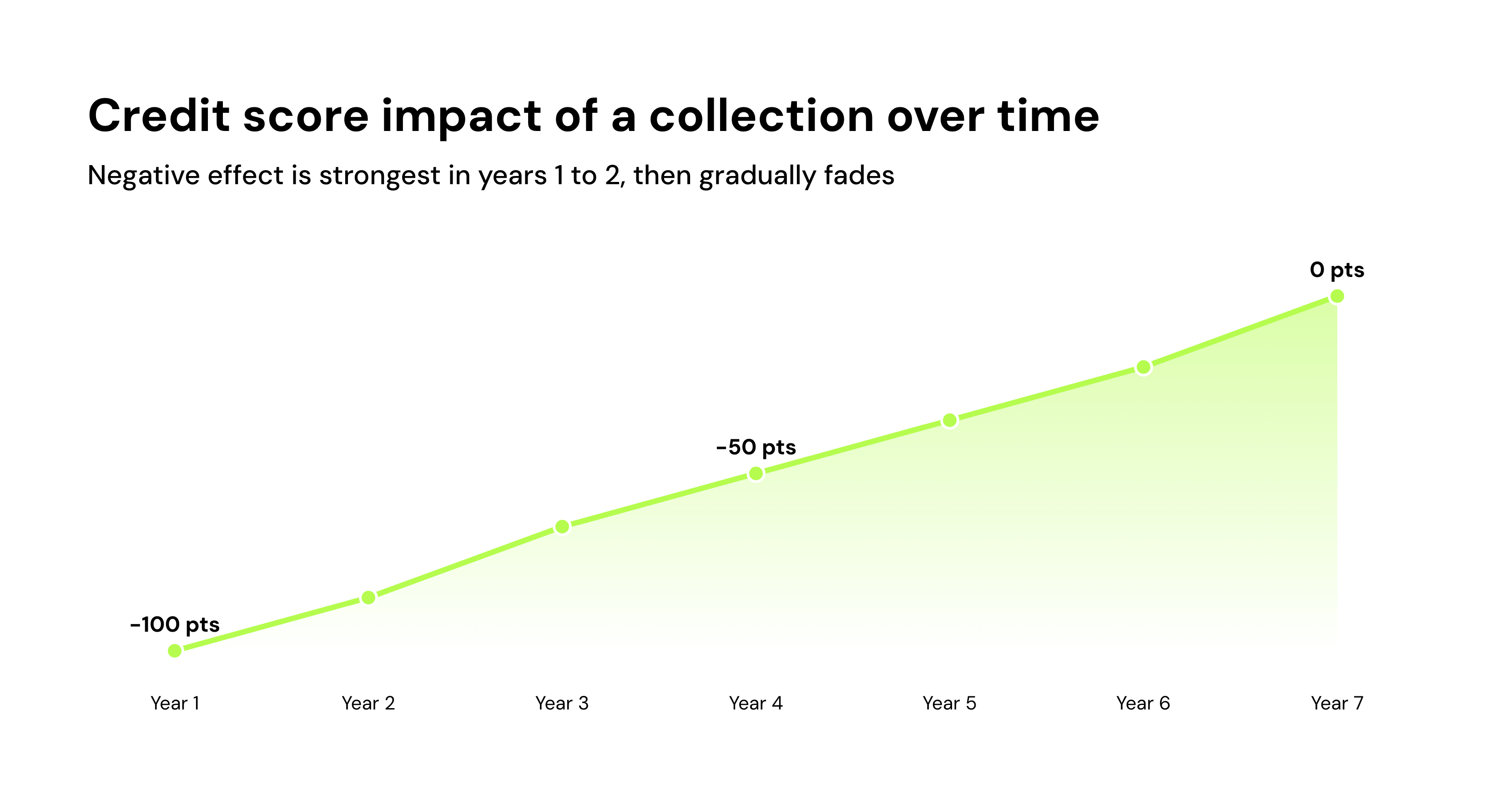
A collection account is one of the more damaging entries your credit report can carry. Collections signal to lenders that a debt obligation went unpaid long enough to be handed off to a third party, which paints a picture of financial distress.
The damage to your score is generally worst in the first two years and fades meaningfully by years five and six, even before the entry officially drops off.
How to rebuild your credit after a collection account
Getting a Wakefield & Associates entry removed is a significant step, but rebuilding credit takes consistent positive activity over time.
The single most important thing you can do is establish a reliable track record of on-time payments, since payment history makes up 35% of your FICO score.

Kikoff is a credit-building platform that helps users add positive payment history to their credit profile with no hard credit check required to sign up. Keeping credit utilization low and avoiding new negative marks will compound those gains, and most people who stay consistent see real improvement within 12 to 24 months. Build credit with Kikoff as your foundation.
Conclusion
A Wakefield & Associates entry on your credit report is a serious issue, but it's one you have real tools to address. Start by pulling your reports, reviewing the entry carefully, and sending a debt validation letter before making any payment.
If there are inaccuracies, dispute them directly with the bureaus. If the debt is valid, pursue a pay-for-delete or let the account age off naturally while building positive credit history alongside it.
Kikoff makes it easy to start adding positive payment history to your credit profile, with no hard credit check required to get started.
Frequently Asked Questions
About the editor

Disclaimer: The information provided in this blog post is meant for informational purposes only and does not constitute financial advice.