.jpg)


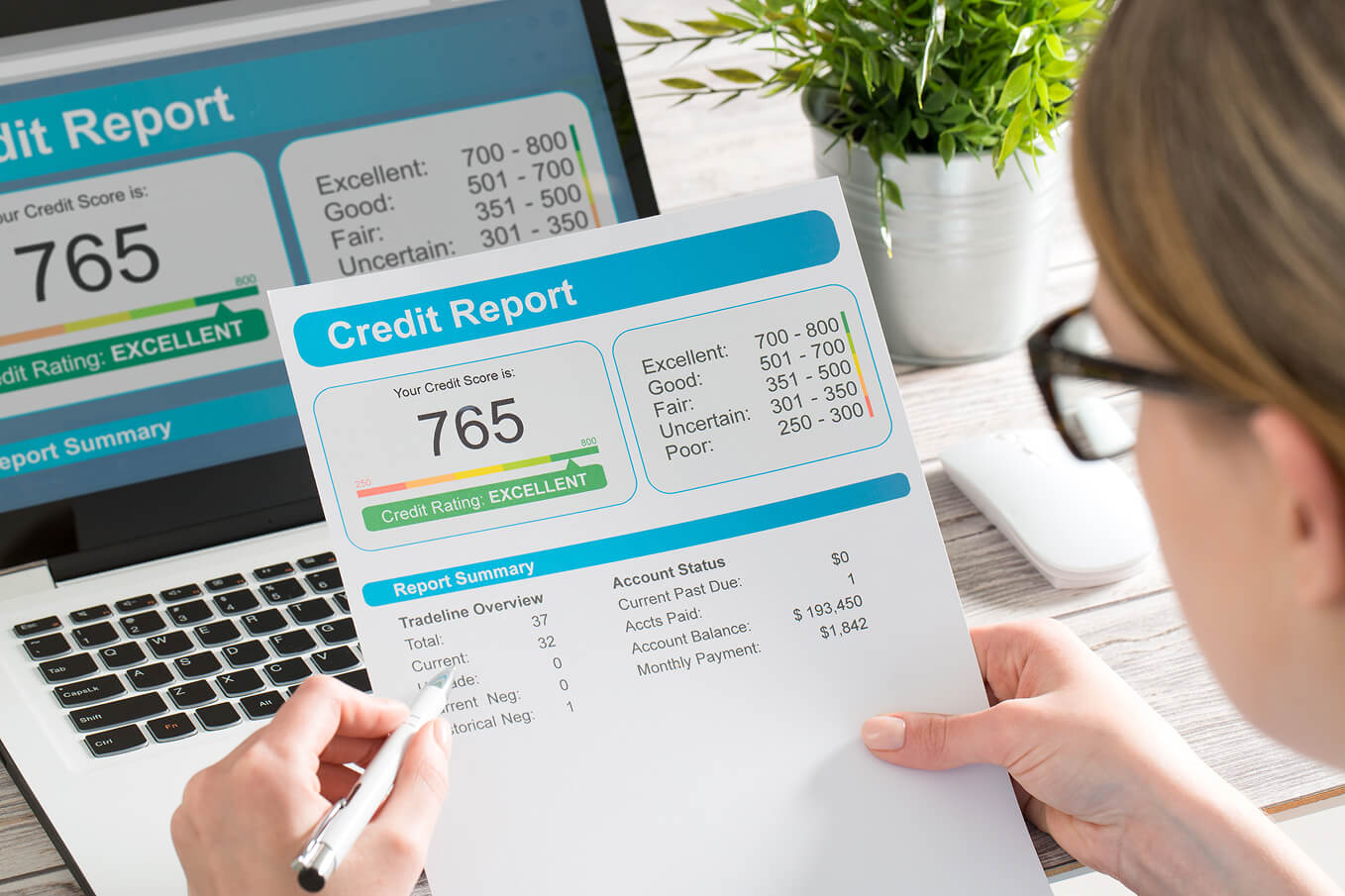
If you’ve been looking into improving your credit, you’ve probably heard that you should get a copy of your credit report. But if you’ve never looked closely at a credit report before, you might not know how to read it. Take a closer look at how to read a credit report and what to do if you spot any errors.
How to read a credit report
Your credit report is a record of your past and present credit accounts. It shows how you’ve managed credit over time, and it’s what lenders look at (along with your credit score) when deciding whether they want to extend credit to you or not.
Usually, the information on your credit report will be divided into several main sections:
- Personal information
- Account history
- Collections (if you have any)
- Public records
- Hard inquiries
It’s important to access your credit report from each of the three major credit bureaus; they are Experian, Equifax, and TransUnion. Some lenders may report to all three bureaus, and others may report to just one or two.
Personal information
This section will include basic information, including your name, any addresses associated with your credit report, your year of birth, your phone number, and any spouses or cosigners.
To help prevent identity theft, your Social Security number isn’t shown on your credit report. However, if any lenders have different SSNs on file, the variations will be noted. This section is important to pay attention to. If a lender has a different SSN on file, you could be a target of fraud or identity theft.
Account history
The account history section of your report includes past and present credit accounts. Some common examples include:
- Credit cards
- Personal loans
- Student loans
- Auto loans
- Mortgages
This section will also usually include the balance on each account, its current status, and any late payments or other negative marks. When looking over this section, check for any accounts you don’t recognize and any inaccurate negative marks.
Collections
If you’ve had a past-due account go to collections, you’ll likely see a separate account show up on your credit report. The separate account shows that you owe the debt to the collection agency, not to the original creditor. Collections might appear in the “Accounts” section, or they may have their own section.
Even if you think you don’t have any accounts in collections, check your credit report closely. If a collection account has been added to your report by mistake, it could be causing serious harm to your credit.
Public records
The “public records” section of your credit report doesn’t include traffic tickets or criminal offenses. It will generally only include bankruptcy records. Civil debt judgments used to appear in this section, but in 2018, the three major credit bureaus changed their policies and removed judgments from credit reports.
That means if you see a debt judgment listed on your report, it’s considered an error, and you can dispute it.
Hard inquiries
A hard inquiry happens when a lender accesses your credit report to make a decision about lending you money. They might cause a small, temporary drop in your score. However, if you have several in a short period of time, your score may drop significantly.
If you see any hard inquiries you didn’t authorize, you should contact the relevant credit bureau right away.
What to do if you see an error on your credit report
Once you understand how to read a credit report, regularly reviewing your reports should be relatively simple. But what if you spot an error?
Each of the three credit bureaus lets you dispute errors online or by mail. Before you file your dispute, you should gather any documentation that will help your case. For example, if a creditor is reporting an account as past due when you paid it in full, you should locate a copy of the receipt.
Make sure you dispute the error with every credit bureau that reports it. Once a credit bureau receives your dispute, it generally has 30 days to investigate. It must let you know the results of the investigation.
It’s not a bad idea to get in touch with the business that reported the incorrect information as well. If the business recognizes and fixes the error, this might be a faster way to solve the problem.
Even if the business or the credit bureau says the error has been corrected, you should get a copy of your credit report a month or two later to verify that it’s now accurate.
Conclusion
Reading your credit report is mostly a matter of knowing which five sections to check and what belongs in each one.
Verify your personal information, review every account for balances and status, and look closely at collections, public records, and hard inquiries for anything you don't recognize. Keep in mind that debt judgments haven't appeared on reports since 2018, so seeing one is a clear error.
If you find something wrong, dispute it with every bureau reporting it and follow up a month or two later to confirm the fix.
Kikoff gives eligible users free dispute tools and access to a Kikoff Credit Account with no interest and no hard credit check to sign up, with monthly payments reported to all three credit bureaus.
Build credit with Kikoff and start adding positive payment history alongside the cleanup.
Frequently Asked Questions
About the editor

Article Sources
Disclaimer: The information provided in this blog post is meant for informational purposes only and does not constitute financial advice.