.jpg)



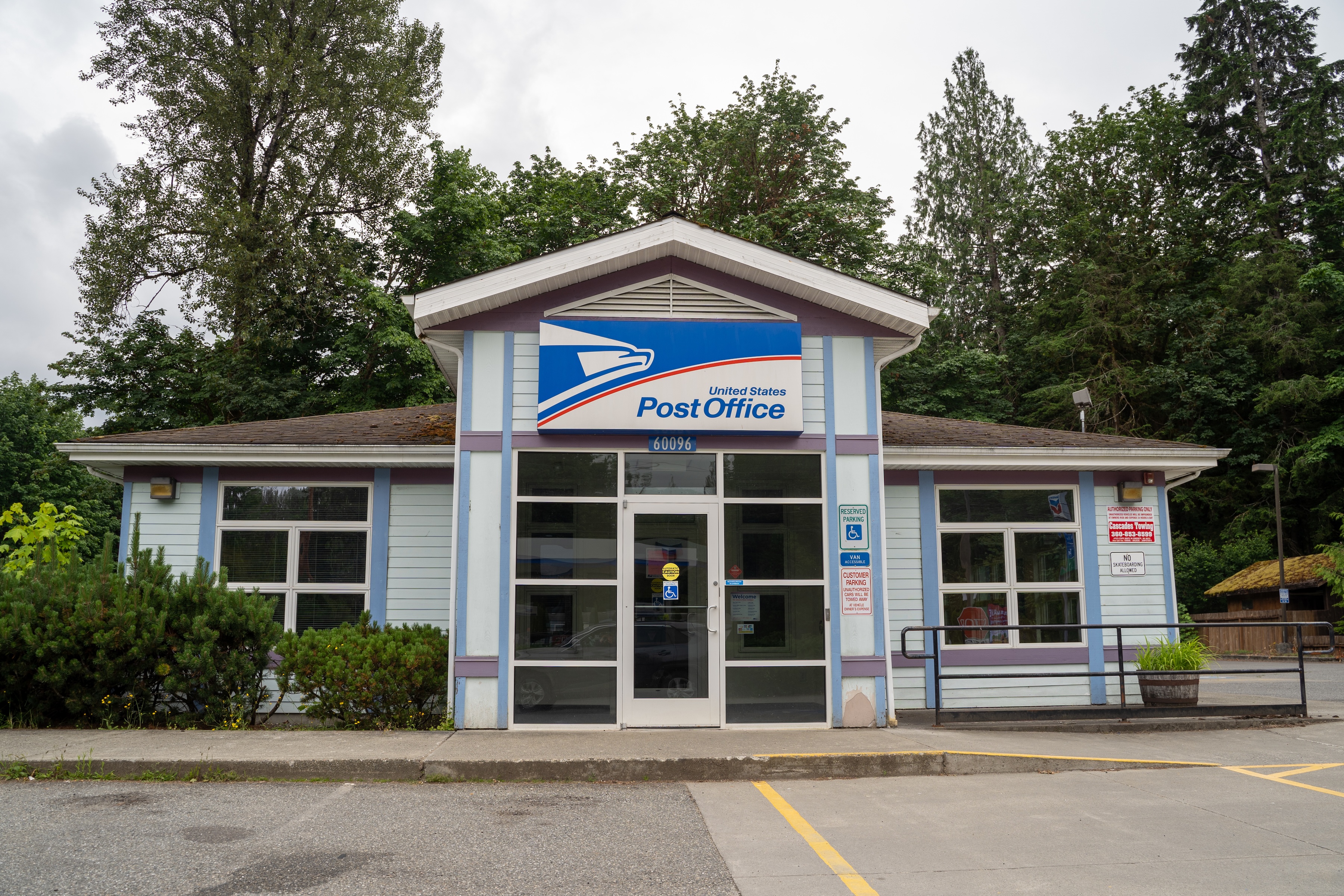
Most money order providers no longer accept credit card payments or personal checks for money orders. The U.S. Postal Service sells money orders for cash or debit only, and Western Union locations take cash or debit. Among the only ways to get your credit line into a money order is a cash advance. Carry that balance for a month, and a $500 money order that costs $2.65 with debit can end up costing more than$40.
Why most places don’t accept credit cards for money orders
Money orders are a cash equivalent. They are prepaid, guaranteed, and easy to convert back to cash. That’s why card issuers treat buying one with a credit card as a cash advance, rather than a normal purchase, along with other cash equivalents like lottery tickets or gaming chips.
Risks of buying a money order with a credit card
Cash advance fees and interest
A cash advance is a short-term loan that borrows against your credit limit. Most card issuers charge 3% to 5% of the amount advanced, and cash advance APRs are often higher than the purchase rate. There’s also no grace period, which means interest starts the day you take the money.

Impact on your credit utilization
A cash advance adds to your credit card balance, and so does the fee. If the balance sits there for a while, it can push up your credit utilization ratio. That ratio is one of the major factors used to calculate your credit score.
Alternatives to buying a money order with a credit card
If a cash advance feels like too steep a cost, a few other options could be worth trying first.
Use a debit card
The Post Office, Western Union locations, and other money order providers take debit cards for money orders. Since the money comes from your checking account, there's no cash advance and no interest.
Pay with cash
If you have cash on hand or can get it with a normal ATM withdrawal from your checking account, that could help you avoid cash advance fees. You can simply pay for the money order and send it to your desired recipient.
Send money electronically instead
If you just need to get money to someone, a bank transfer or a money transfer app can skip the money order entirely. Fund it from your bank account or debit card. Card issuers often treat a transfer paid with a credit card as a cash advance, with the same fee and interest.
Bottom line
You can’t buy a money order with a credit card directly. The only workaround is a cash advance. On a $500 money order, that can mean about $41 in fees and interest after one month, compared with $2.65 paying by debit.
Paying with debit keeps the cost down, but debit spending isn’t reported to the credit bureaus, so none of it builds your credit history. A Kikoff Credit Account adds an account that reports on-time payments to Equifax, Experian, and TransUnion. Plans start at $5 a month with no credit check to sign up.
Frequently Asked Questions
Article Sources
Disclaimer: The information provided in this blog post is meant for informational purposes only and does not constitute financial advice.