
If you own your own home, you can file a home insurance claim by documenting the damage right away and then contacting your insurer as soon as you can. What you do in the first few days matters most. Your photos, receipts, and written estimates are what the insurer’s adjuster weighs against their own numbers.
6 steps to file a home insurance claim

1. Document the damage
First, take a deep breath and make sure everyone is safe. If there’s a gas smell, exposed wiring, or structural damage, leave and call 911 or your utility. Then document everything.
Documentation is the foundation of any insurance claim. Take photos and videos of the damage, and include close-ups of each damaged area. If personal property is damaged or missing, create a list of every affected item and its value.
Your policy likely requires you to protect your home from further damage. Look for a section called "Duties After Loss." For example, if there’s a hole in your roof, you'd need to cover it with a tarp after taking a photo of it. Keep receipts if you spend any money on temporary repairs.
2. Compare the damage to your deductible
If the repair costs less than your deductible, insurance won’t pay for it. You’d cover the repair yourself, and even reporting the damage can show up in your claims history and raise your rate at renewal.
3. Notify your insurance company
Your policy likely requires prompt notice, and some set a deadline. The "Duties After Loss" section in your policy will say.
You don’t need to wait until you’re ready to file your claim. In most cases, you can notify your insurer through their app or website or over the phone, depending on their hours and options. Check your policy documents or insurer contact page for the right method.
4. Meet with the adjuster
Once you file your claim, the insurance company will assign an adjuster to your case. Their job is to assess the damage and determine how much the insurance company should pay under your policy.
You should be polite and cooperative when dealing with the adjuster, but keep your answers short and direct. If you’re unsure about a question, get help before you answer. Your state insurance department answers questions for free. A licensed public adjuster works for you, not the insurer, for a fee. An attorney can help if the claim is denied or stalls.
5. Get repair estimates
Insurance companies may underestimate repair costs, so it’s a good idea to get independent repair estimates from local contractors. When you have written estimates ready, you’ll be able to push back if the insurance company tries to offer much less than it would cost to actually fix the damage
If you think you’re being treated unfairly, your state insurance department or a consumer assistance nonprofit can help. Or talk with an attorney about your options.
6. Receive your settlement
Before you accept a settlement, check the offer against your policy and your own estimates. Many replacement cost policies pay in two parts. The first check covers the depreciated value, and the rest comes after repairs are done.
If you have a mortgage, the check may be made out to you and your lender, so call your loan servicer early to learn their process. If you discover additional damage or repair costs, you may be able to request more money.
Read more >> Homeowners Insurance for Older Homes: What You Need to Know
What to capture before the cleanup starts
• Every affected room, wide first. Stand in the doorway and capture the whole room before you move in for close-ups, so the adjuster can see the scale of the damage.
• Close-ups of each damaged spot. Get warped floors, stained ceilings, cracked tiles, and anything else that’s harmed.
• The source of the damage. This could be the burst pipe, the fallen tree, the broken window, or the spot where water came in. It helps show what caused the loss.
• Water lines and moisture. Photograph how high water reached on walls and furniture, even if it’s already drained.
• Labels on damaged items. Capture brand, model, and serial numbers on appliances and electronics, which makes them easier to value and replace.
• Damage outside the house. Walk around the roof line, siding, gutters, windows, fences, and detached structures like a shed or garage.
• Damaged items before you throw them out. If something has to go for safety, such as soaked carpet or spoiled food, photograph it first.
Tips to make the claims process go smoothly
A few habits can head off problems:
- Wait on permanent repairs. Make only the temporary fixes needed to stop further damage until the adjuster has seen it. Otherwise, it’s your word against theirs on what was there.
- Back up your photos and videos. Save copies to cloud storage or email them to yourself so a lost or damaged phone doesn’t take your evidence with it.
- Log every conversation. Note the date, the person’s name, and what was said. After a phone call, send a short email confirming it, so you have it in writing if you need to file a complaint or talk to an attorney.
- Answer your insurer’s requests quickly. A missing document is one of the easiest ways for a claim to stall.
- Report theft or vandalism to the police. Your policy may require a report for these losses, so get the report number for your claim.
- Keep receipts if you can’t stay home. If your home is unlivable, your policy may cover hotel stays, meals, and other extra costs while it’s repaired. Check your policy for “loss of use” or “additional living expenses.”
Before you sign or cash a settlement check, read anything attached to it. Some checks or forms say the payment is final. If the amount doesn’t match your estimates, your state insurance department can explain your options free, and an attorney can tell you whether signing closes the claim.
Read more >> Home Insurance vs. Home Warranty: What's the Difference?
Protect your name, not just your home. If a break-in took anything with your Social Security number or account numbers on it, freeze your credit with Equifax, Experian, and TransUnion. A freeze is free, doesn’t affect your credit score, and stops new accounts from being opened in your name. You can lift it anytime you need to apply for credit. Kikoff’s Credit Monitoring can alert you to changes on your report while things settle.
How a home insurance claim can affect your premiums
The average homeowners claim paid out about $20,000 in 2023, according to the Insurance Information Institute. Insurers treat a recent claim as a sign of higher risk, so filing one could raise your rate when you renew. If it does, it’s worth getting quotes from other insurers.
You can check any company’s complaint record free through the NAIC.
Read more >> How Rising Insurance Rates Affect Your Mortgage Payments
Does your credit affect what you pay for home insurance?
In most states, it can. Insurers can use a credit-based insurance score when they price a policy. It isn’t the same score a lender pulls, but it’s built from the same credit report. Payment history carries the most weight at 40%, according to the NAIC.
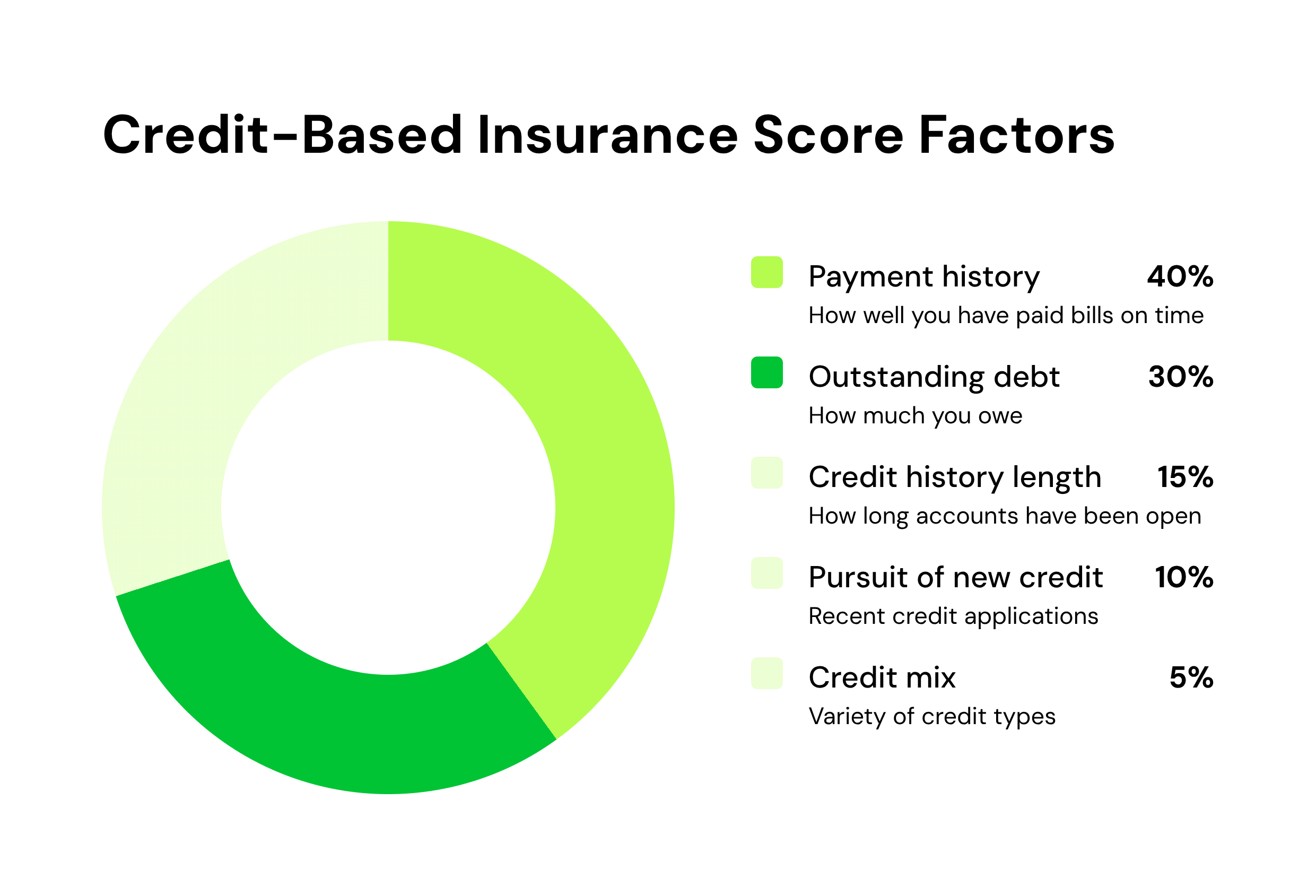
The rules depend on where you live. Maryland bans insurers from using credit in homeowners insurance. Oregon and Washington allow it with limits: credit can’t be the only reason an insurer turns you down, and a thin credit file can’t count against you. Massachusetts and Hawaii restrict credit in auto insurance, not home insurance. In every other state, if your credit costs you coverage or a better price, the insurer must tell you and name the credit bureau it used. Your state insurance department can tell you what applies where you live.
Bottom line
A claim backed by photos, receipts, and your own repair estimates gives you the best footing for a fair payout. If that claim raises your rate at renewal, the quotes you collect may be priced partly on your credit report, and payment history is the part of it you can add to.
Kikoff’s Credit Account reports your on-time payments to Equifax, Experian, and TransUnion, with no credit check to sign up. Plans start at $5 a month.
Frequently Asked Questions
Article Sources
Disclaimer: The information provided in this blog post is meant for informational purposes only and does not constitute financial advice.