



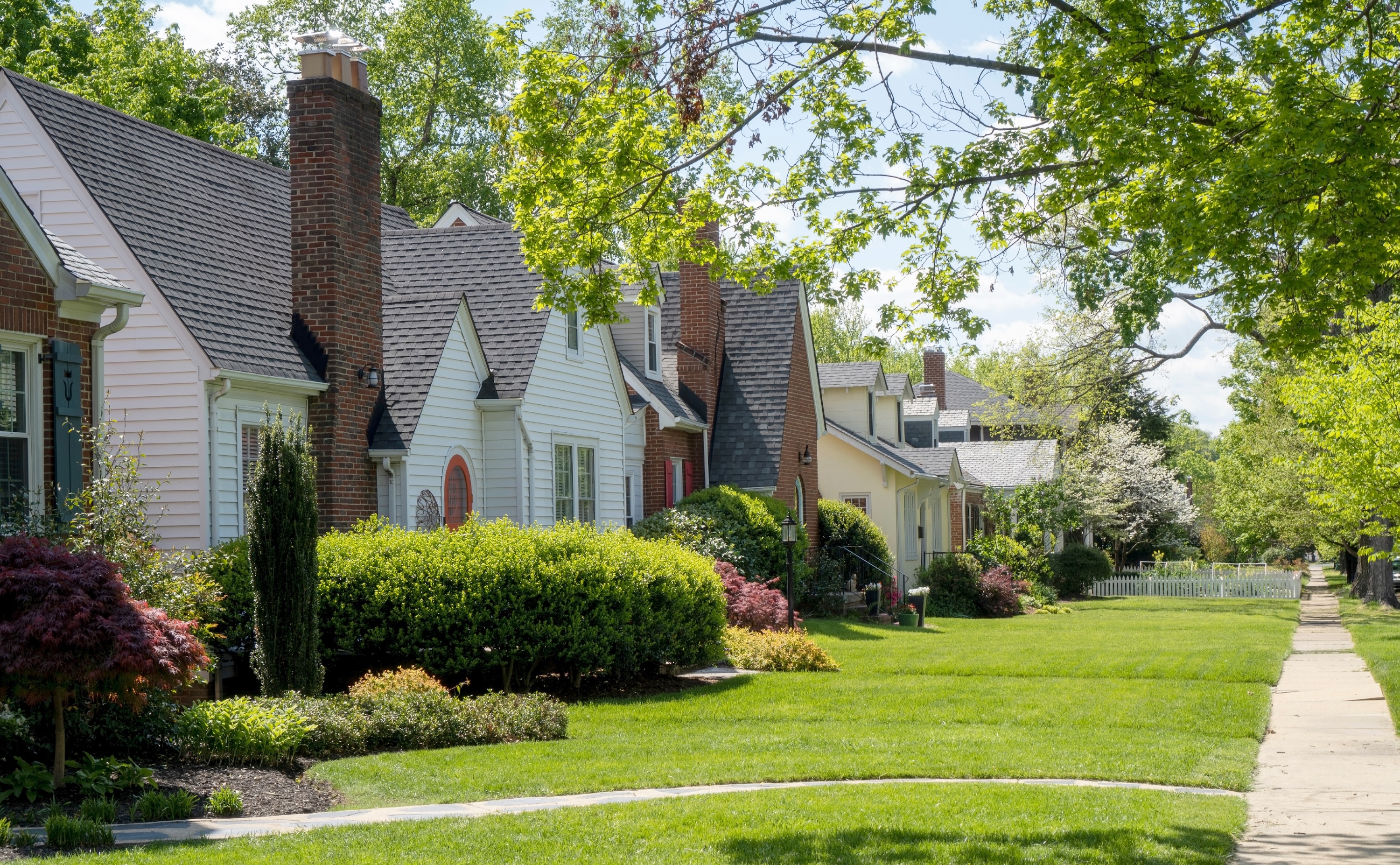
You may be drawn in by a vintage aesthetic, but old houses can have their quirks. And insurers don't price an older home on its age.
They price it on what it would cost to rebuild and on the condition of the roof, wiring, plumbing, and HVAC. On an older house, both can run high. Some carriers won't write full replacement cost coverage on one at all.
That doesn’t mean a charming older home is off the table. You'll just want to know what you’re getting into before making an offer or getting a policy.
Why is homeowners insurance more expensive for older homes?
Let’s start with the basics. What you pay depends on:
- How much coverage you buy
- How many claims you’ve filed
- Crime and weather risks in your area
- What it would cost to replace your home
That last point is important here. Rebuilding an older home often costs more than the house would sell for, since original materials and craftsmanship are expensive to replicate. Hardwood floors and plaster walls, while charming, usually fall into this category. And outdated wiring, plumbing, and roofing add risk on top of that.
What insurers look at on an older home
A home inspection isn’t always required when buying a house, but most buyers get one. And it’s more likely if you’re purchasing an older home. Sometimes the insurance company sends its own inspector, and sometimes it requires you to hire a licensed inspector and submit a report. Ask your agent which one applies and what it will cost you before you schedule anything.
Inspections tend to report on four focus areas:
- Electrical systems
- Plumbing
- HVAC systems
- Roof age and condition
An inspection can turn up material and code problems. In an older home, that might be old-fashioned, single-strand aluminum wiring, for example, which is 55 times more likely to result in sparks, charring, and corrosion around electrical outlets, posing a serious fire hazard. An insurer could deny coverage over a finding like that until it’s repaired.
Read more >> How to Reduce Closing Costs When Buying a Home
Actual cash value vs. replacement cost value for older homes
The type of policy you buy decides your out-of-pocket costs if you file a claim. Home insurance pays in two distinct ways.
The older the home, the wider the gap tends to run. On an ACV policy, the difference is what you owe out of pocket.
Some insurers won’t sell a replacement cost policy for an older home at all, according to the Insurance Information Institute. Others may agree to it if the home is in good condition. Every insurer is different.
How to lower your homeowners insurance costs on an older home
If your heart is set on an older home, there are other ways to reduce your homeowners insurance costs, including:
- Update the major systems. Insurers may lower the rate once the wiring, plumbing, or roof have been replaced, since a newer system is less likely to require a claim. If you’re buying, ask the seller for the dates.
- Shop around, then bundle. Rates vary widely from one insurer to the next. Before you buy, ask for recommendations, gather quotes, and compare the company’s complaint record. Bundling home and auto with one insurer can also help you save.
- Raise your deductible. A higher deductible means a lower premium. Depending on your risk tolerance, paying higher upfront costs if you file a claim may be worth the lower rate. But pick a number you can afford, not the one with the lowest monthly cost.
- Ask about discounts. The NAIC lists deadbolt locks, smoke alarms, fire extinguishers, sprinkler systems, and security systems as common discounts. Some states also require insurers to discount storm shutters and impact-rated glass.
Credit and your homeowners quote
It isn't the score a lender pulls. Insurers use a credit-based insurance score, built from the same credit report — payment history is 40% of it.
• Maryland bans credit in homeowners underwriting and rating.
• Oregon and Washington allow it, but it can't be the only reason you're denied, and it can't cancel or nonrenew a policy.
• Massachusetts and Hawaii ban it in auto insurance only — not homeowners.
• Everywhere else allows it, and the insurer has to tell you if credit cost you.
Check with your state insurance department for the laws where you live.
What to do if you're denied coverage
If you’re unable to get coverage on an older home, get crystal clear on why. Then consider these potential solutions:
- Ask for the reason in writing. You can’t fix an issue you can’t name, and the reason decides your next steps.
- Address what’s flagged. If you’re buying a home, the seller may make the repairs to close the sale, or you can price them into your offer.
- Ask about modified replacement cost. The Insurance Information Institute says some insurers offer this, which pays to rebuild with modern materials and methods (instead of original ones) . The premium is lower, even if the rebuild doesn’t match the old one.
- Look into your state’s FAIR plan. Fair Access to Insurance Requirements plans are state-run coverage of last resort for properties that can’t get a traditional policy. More than 30 states offer some type of residual market plan. The caveat is they’re often more expensive with limited protection.
Rules on nonrenewals and FAIR plan eligibility are written state by state. Ask your state insurance department about what applies where you live, and file a complaint if you think an insurer got it wrong.
Read more >> How Mortgage Lenders Influence Insurance Requirements
Bottom line
An older home usually costs more to insure than a newer one, and sometimes it's harder to insure at all. The reasons come down to the cost to rebuild, the age of the electric and plumbing systems, and how a carrier feels about older homes in general. Get quotes early, while you still have time.
One thing on that list isn't about the house. In most states, your credit is part of the homeowners quote, the same way it's part of your mortgage rate. And like the mortgage rate, it decides not only whether you're approved but what you pay for years.
Kikoff’s Credit Account reports your on-time payments to all three bureaus, building the payment history those quotes are based on. No credit check to sign up, and plans start at $5 a month.
Frequently Asked Questions
Article Sources
Disclaimer: The information provided in this blog post is meant for informational purposes only and does not constitute financial advice.