.jpg)




Taking money out of your savings account doesn’t affect your credit score. Scores are calculated only from your credit report, and your bank balances aren’t on it.
What matters is what happens after the cushion is gone. The next surprise expense often goes on a credit card or a loan, and those do show up.
Does withdrawing money from savings affect credit scores?
No. A withdrawal doesn’t miss a payment, open a new account, or add to what you owe. You’re using money that’s already yours, and your bank doesn’t report it to the credit bureaus.
What’s in your credit score
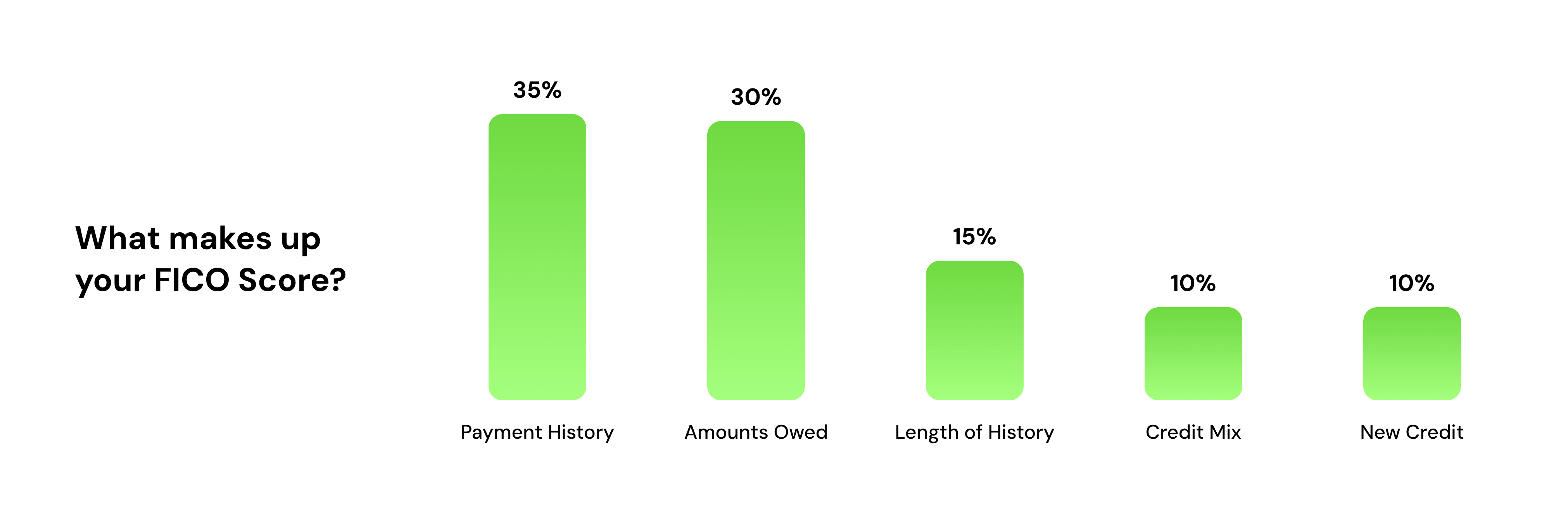
FICO calculates your score from five categories, each weighted differently:
- Payment history (35%) — whether you’ve paid your accounts on time
- Amounts owed (30%) — your balances, including how much of your available credit you’re using
- Length of credit history (15%) — how long your accounts have been open
- Credit mix (10%) — the types of credit you have, like cards and installment loans
- New credit (10%) — how many accounts you’ve opened recently
Your checking and savings accounts aren’t part of any of these categories. Your score is calculated only from information in your credit report, and bank accounts aren’t on it.
How your bank accounts and credit score are connected
Savings is what covers a surprise expense without borrowing. With less of it, a car repair or a medical bill is more likely to go on a credit card or a personal loan. Those accounts are on your credit report.
There’s one direct risk. If a bank account goes negative and the balance goes unpaid, the bank can send it to collections, and the collection account can appear on your credit report. If an account is overdrawn, contact the bank about repaying it before it gets that far.
Read more >> What Happens When Your Bank Account Goes Negative?
The one way a bank account reaches your credit report
Balances aren't on your credit report, but an overdrawn account left unpaid can be closed and sent to collections. And that collection stays on your report for seven years.
Call the bank as soon as you know the account is short. Most will set up a repayment arrangement before the balance gets handed off, and almost none will after.
When withdrawing savings can indirectly affect your credit
You put everyday expenses on credit cards
If gas, groceries, or repairs go on a card, your balance rises. That raises your credit utilization, meaning how much of your available credit you’re using. Utilization is usually calculated from the balance your issuer reports around your statement date, so paying the card down or in full before the statement closes lowers what gets reported.
A payment slips because cash is tight
Payment history is the largest part of a FICO Score at 35%. Card issuers and lenders generally don’t report a payment as late until it’s 30 days past due. If you can see a payment coming that you can’t cover, call the creditor before the due date and ask about a hardship program. The National Foundation for Credit Counseling can connect you to free or low-cost counseling at 800-388-2227.
You take out a loan to refill your savings
A personal loan can rebuild your cushion, but it adds a hard inquiry, a new account, and a monthly payment with interest. You’ll pay back more than you borrowed, and the loan only helps your credit if every payment is on time.
Read more >> How to Lower Your Credit Utilization
How to protect your credit while using savings
Aim to keep a few months of essential expenses in an emergency fund. If you have to draw it down, refill it in small amounts once your monthly bills are covered.
If you’re saving for something planned, like a trip or a repair you know is coming, keep that money separate from your emergency fund. That way spending on one doesn’t empty the other.
Read more >> How to Build an Emergency Fund
Bottom line
Withdrawing from savings won’t touch your credit score. But a healthy savings account doesn’t help your score either. No bank reports your balance, so years of steady saving show a lender nothing. What builds credit is payment history on an account that reports to the bureaus.
The Kikoff Credit Account reports your on-time payments to Equifax, Experian, and TransUnion, and can help lower your credit utilization. There’s no credit check to sign up, and plans start at $5 a month.
Frequently Asked Questions
Disclaimer: The information provided in this blog post is meant for informational purposes only and does not constitute financial advice.