


.jpg)




Your credit report probably lists a few addresses you haven’t lived at in years. Removing them won’t change your score. FICO and VantageScore are built from your accounts: your payment history, your balances and how long you’ve had credit. Your name and address are there to identify you, not to score you.
Still, it’s worth reading your address history. An address you’ve never lived at sometimes comes with accounts that aren’t yours, and those accounts can affect your score.
Why old addresses appear on your credit report
Companies that report to the credit bureaus include your address when they report your accounts, and the address on a credit application can be added too. The bureaus keep that history because it helps them match accounts to the right person, especially if you share a name with someone else. That’s why an address from years ago can stay on your report.
[Image Suggestion: What’s actually in your credit file: Personal identifying info that’s not scored vs. account-level information]
When to remove an old address from your credit report
The address is wrong or belongs to someone else
If you’ve never lived at an address on your report, it could be a simple data error. It could also mean another person’s information was mixed into your file. Check whether any accounts you don’t recognize are listed alongside it, because those can affect your score.
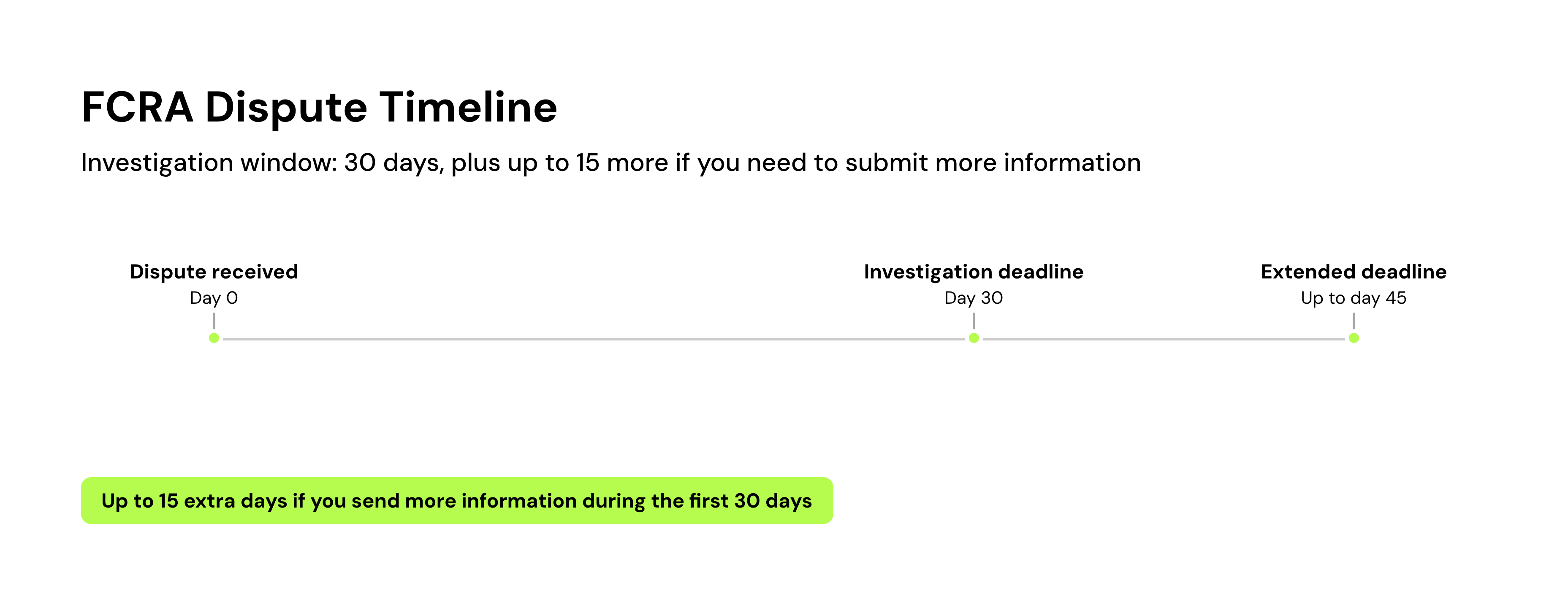
You can dispute the address with each bureau that lists it, and disputing is free. Under the Fair Credit Reporting Act, the bureau has 30 days from receiving your dispute to investigate. That can stretch to 15 more days if you need to send more information during those first 30 days.
The address is linked to fraud
An address you don’t recognize, especially next to an account you didn’t open, can be an early sign of identity theft. Get your free reports from all three bureaus at AnnualCreditReport.com and look for other accounts or inquiries you don’t recognize.
If you find any, report them to the FTC at IdentityTheft.gov, which gives you a recovery plan and an identity theft report you can use with the bureaus. You can also place a free fraud alert by contacting any one bureau, which notifies the other two, or freeze your credit at all three for free.
You’d rather not have it on file
Some people just don’t want a long address history on file. You can ask the bureaus to remove outdated addresses, but if the information is accurate, they don’t have to.
Read more >> The Most Common Credit Report Errors
How to remove an old address from your credit report
Dispute online with the bureau
This is usually the fastest option. Each bureau has an online dispute center: Equifax, Experian, and TransUnion. You’ll create a free account, then select the address you’re disputing.
Send a written dispute letter
If you want a paper trail, mail a letter to the bureau. The 30-day window starts when the bureau receives it, not when you send it. Certified mail with a return receipt gives you proof of that date.
Update it with the creditor
If a lender is still reporting an old address, update your contact information with the lender directly. The bureau may keep the old address in your history, though. A dispute is how you ask the bureau to remove it.
Read more >> How to Remove an Old Address From Your Credit Report
Bottom line
Removing an old address won’t change your score, so if it’s accurate, you can leave it. If it’s an address you’ve never lived at, look at what came with it. An account you didn’t open does affect your score, and you can dispute it with the bureau for free.
If you’d rather not write the letters yourself, Kikoff’s AI Credit Disputes drafts a dispute letter for each inaccurate account in a few taps, tailored to the reason you’re disputing it. And it’s free.
Frequently Asked Questions
Article Sources
Disclaimer: The information provided in this blog post is meant for informational purposes only and does not constitute financial advice.