.jpg)



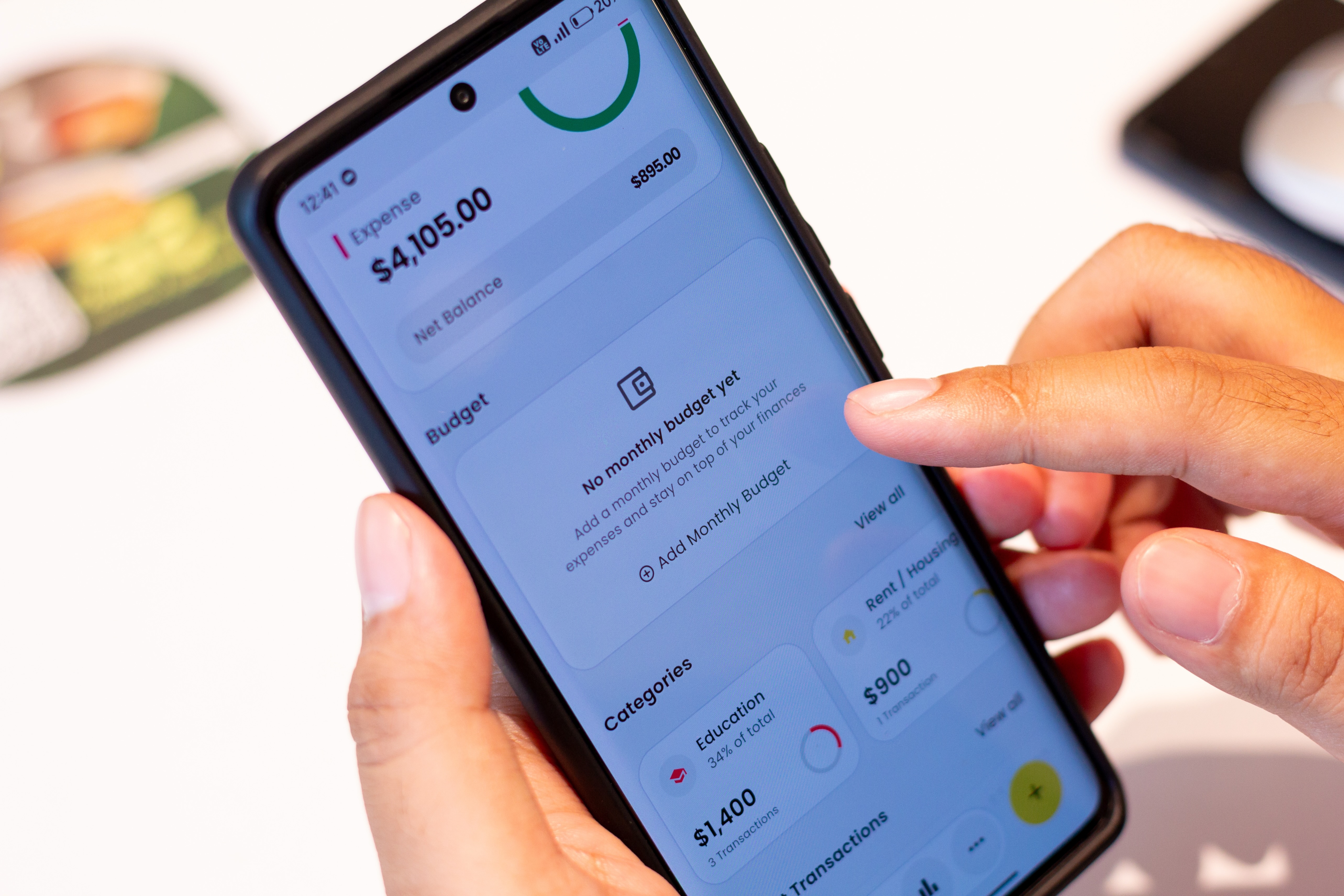
Your bank shows two numbers because two different things are true at once. Your current balance counts only what’s posted. Your available balance also subtracts what's still in progress, like this morning's debit card swipe or a hold from the gas pump, so it's the number that decides whether your next payment clears.
You expect the two numbers to differ on a credit card. On a bank account it's less obvious, and there are a few common reasons the balances don't match.
Current balance vs. available balance: Bank accounts
For a bank account, your current balance is the total of transactions that have finished posting to your account. It's a record of completed transactions, which is why it can look higher than what you can actually spend. Your available balance reflects holds and pending transactions, so it shows you how much you have available to spend.
Say you have $500 in your checking account and you spend $85 on groceries and $40 on clothing with your debit card. Those charges don't post right away, so your current balance may still show $500. Your available balance already subtracts them and shows $375.
Now say a $400 car payment clears tomorrow. Your current balance says you're covered. Your available balance says you're $25 short. The available balance is the one that's right.
Current balance vs. available balance: Credit cards
On a credit card, your current balance is what you owe. Your available credit is your credit limit minus that balance, minus anything you've charged that hasn't posted yet. Buy something this morning and your available credit drops right away, even though your current balance won't move until the charge posts.
Both numbers do a job here. Your current balance tells you what you owe the card company. Your available credit tells you what's left to spend.
Read more >> What Is a Billing Cycle?
Why your current balance and available balance don't match
On a credit card account, you probably expect your current balance and available balance to be different. But when you log in to check your bank account, you may wonder why the two balances don’t match. There are a handful of reasons why your available and current bank account balances may differ.
Pending transactions
Card purchases and scheduled bill payments can take time to post. Many banks show them in your account activity in the meantime, which helps you avoid overdrawing. Your available balance already subtracts them. Your current balance doesn't, until they finish posting.
Holds and authorizations
Pay at the pump, and the station usually places a temporary hold on your account. The station sets the amount, not your bank. Visa and Mastercard allow up to $175 at chip-enabled pumps, and $100 or $150 are common, according to merchant documentation. The hold confirms you have enough to cover a full tank.
It drops off within a few business days, once the station charges you for the gas you actually pumped. If you'd rather avoid the hold, pay at the register instead.
Read more >> Credit Card Closing Date vs. Due Date: What’s the difference?
How your balance affects your credit
Your checking balance isn't on your credit report, but a bounced payment can be. The fee hits right away. Whether it reaches your report depends on who you were paying: most utility and phone companies don't report on-time payments, but a balance left unpaid long enough can go to collections. And collections do show up.
Card balances count directly. The category FICO calls "amounts owed" is 30% of your score, second only to payment history at 35%, and your utilization rate is the largest piece of it. There's no cutoff in the model. Lower is better, and FICO says there's no single optimal percentage, so treat the familiar 30% as a rule of thumb rather than a line in the math.
There's a third balance that matters more than either one on your screen: the one your issuer sent the bureaus, usually from your latest statement. Paying down to zero on the 20th does nothing for your utilization if the statement closes on the 15th with $900 on it. To lower the reported number, pay before your statement closing date.
Read more >> Importance of On-Time Payments in Building Credit
Bottom line
Spend against your available balance and use your current balance to track what you owe. On a credit card, remember that the balance your issuer reports to the bureaus is usually the one from your statement closing date, not the one you see mid-month.
Both numbers are snapshots: Pay your card down this month and your utilization looks better on the next report. Charge it back up and the improvement is gone.
Utilization has no memory, but payment history does, and it's the larger factor of the two.
Kikoff’s Credit Account reports your on-time payments to all three credit bureaus, helping you build the payment history that carries the most weight in your score. No hard credit check required, and plans start at $5 a month.
Frequently Asked Questions
Disclaimer: The information provided in this blog post is meant for informational purposes only and does not constitute financial advice.