







Usually, your rate only changes if something on your policy does too. Add a car, drop a driver, move, or adjust your coverage, and your premium typically adjusts right away. Things your insurer learns about you, like a speeding ticket or an updated credit check, generally wait until your policy renews. The exceptions depend on your state’s laws and your insurer’s rules. That’s why a mid-term notice can still catch you off guard.
Changes that usually reprice your policy right away
- Your vehicles. Adding a car raises your premium, and removing one usually lowers it. Swapping cars changes it too, because repair costs, safety ratings, and theft rates all factor in.
- Your drivers. Adding a newer driver, or one with recent tickets or accidents, typically raises the premium. Removing a driver can lower it.
- Your coverage. Adding coverage or raising your limits costs more. Your limit is the most the insurer will pay on a claim. Raising your deductible, the amount you pay before coverage kicks in, usually lowers your premium because you’re taking on more of the loss.
- Your address. Rates depend partly on local accidents, theft, weather, and traffic patterns, so even a move across town can change your price. Tell your insurer when you move. An out-of-date address can cause problems if you later file a claim.
- A discount that drops off. Some discounts, like good-student or low-mileage, require proof. If the paperwork doesn’t arrive, the insurer can remove the discount. Watch your email for document requests.
When a change takes effect mid-term, ask whether the difference is prorated and whether you’ll get a refund or a new bill.
Changes that usually wait until renewal
- Tickets and accidents. Moving violations and at-fault accidents typically show up as a higher premium at renewal, not mid-term.
- Usage-based program results. If an app or a device tracks your driving, the results often feed into your renewal price. Safe driving can earn a lower rate, and risky driving can raise it.
- Companywide rate changes. When an insurer raises or lowers rates for everyone, for example after a run of weather claims, the new rates typically apply at your next renewal.
- Credit updates. If your insurer uses credit, an updated report usually comes into play at renewal.
- Driving experience. Your premium can come down as you add years behind the wheel with a clean record.
How credit affects your car insurance rate
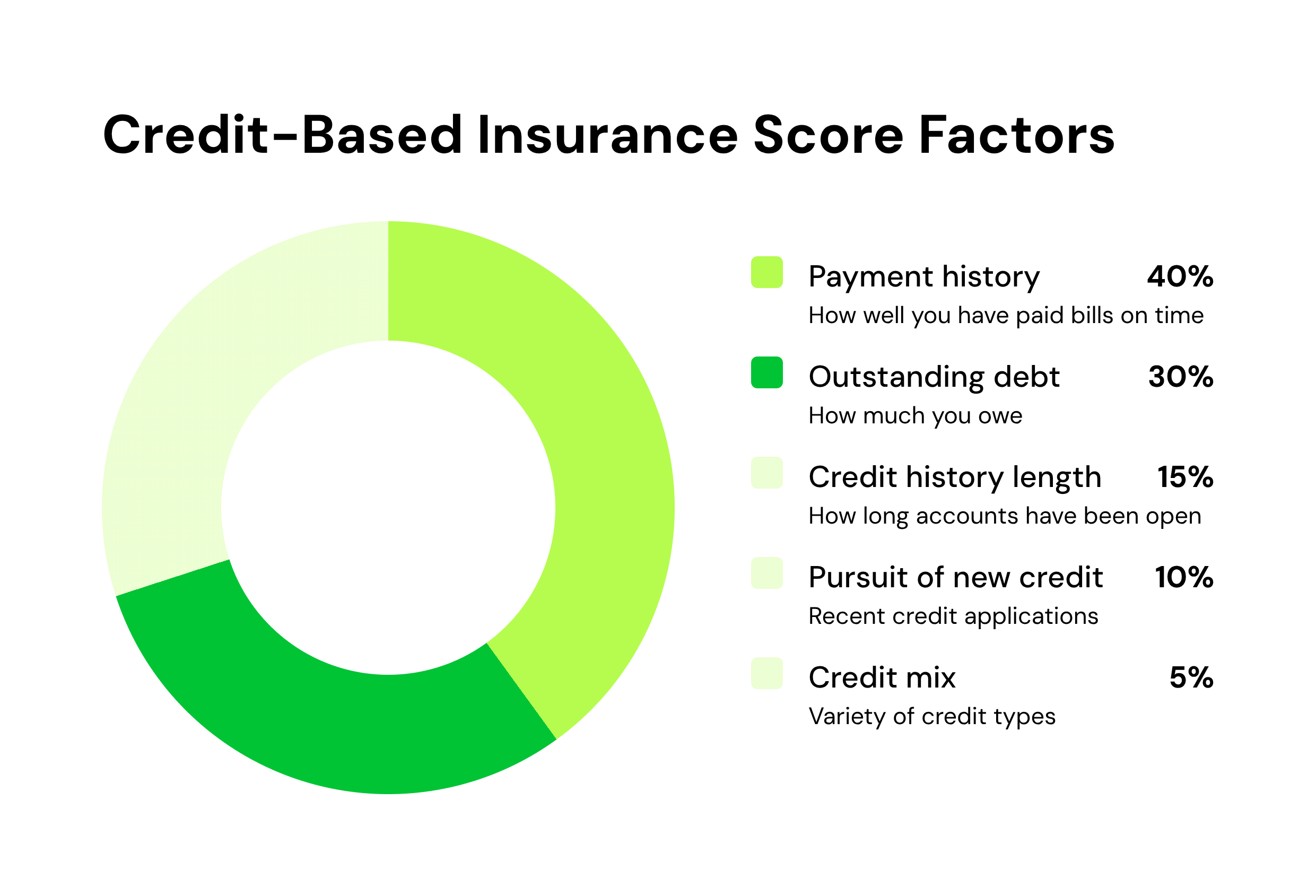
Most states let insurers use a credit-based insurance score when they set your price. It isn’t the same score a lender pulls, but both come from your credit report. At 40%, payment history is the biggest piece of an insurance score, according to the National Association of Insurance Commissioners.
A few states limit or ban the practice for auto insurance, including California, Hawaii, Massachusetts, and Michigan.
Many states follow a model law that gives you some leverage:
- Your insurer can’t base your renewal rate on credit alone.
- If it keeps using credit, it has to refresh that information at least every 36 months.
- At annual renewal, you can ask it to re-rate your policy using a current credit report.
- If a dispute corrects an error on your report, the insurer has to re-rate you within 30 days of being notified.
To find out which of these rules apply where you live, look up your state insurance department.
If credit led to a higher price, the insurer has to tell you and name the credit bureau it used. Get that report free, as often as weekly, at AnnualCreditReport.com. If something’s wrong, disputing it with the bureau is free.
Your insurance score isn't your credit score. A lender’s credit score predicts whether you'll repay a loan. A credit-based insurance score predicts whether you'll file a claim.
Insurers weigh the factors differently, and the score is just one input alongside your driving record, claims history, and location. If credit contributed to a rate increase or denial, you have the right to be told, to see your report, and to dispute what's wrong.
What to do if your rate changes and you’re not sure why
- Compare your declarations pages. That’s the summary page listing your drivers, vehicles, coverages, and premium. Put the old one next to the new one and look for what changed.
- Call your insurer. Ask what changed, when it took effect, and how it affects your next bill.
- If the notice mentions credit, pull the report from the bureau it names at AnnualCreditReport.com and dispute any errors.
- If the explanation doesn’t add up, contact your state insurance department. It’s free, it can explain your state’s rules, and it can take a complaint.
- Shop before renewal. A rate increase is a good reason to compare quotes. Every insurer weighs these factors differently.
Bottom line
Most mid-policy rate changes trace back to an update on the policy itself, like a new car, a new driver, or a new address. Tickets, accidents, and credit updates usually wait for renewal, and that timing works in your favor. It gives you until your next renewal to add on-time payments to the credit report your insurer reads. Kikoff’s Credit Account reports your on-time payments to Equifax, Experian, and TransUnion, with no credit check to sign up. Plans start at $5 a month.
Frequently Asked Questions
Article Sources
Disclaimer: The information provided in this blog post is meant for informational purposes only and does not constitute financial advice.