


Bill negotiation apps can take a tedious money-saving task off your plate: calling service providers to get a better rate. Depending on the service, an app may negotiate directly with your provider, monitor your bills for increases, or help you identify subscriptions you no longer need.These services aren’t always free, though. Some take a percentage of the savings they negotiate, while others charge a subscription or flat fee. Before choosing among the best apps to negotiate bills, compare what you'll pay with how much you can realistically save.
5 best apps to negotiate your bills
1. Rocket Money
Connect the provider account or upload a copy of your bill, and Rocket Money’s negotiators look for lower prices, promotions, and other opportunities to reduce the cost while generally preserving your preferred services.
Rocket Money currently lists cable and satellite TV, internet and phone, home security, and satellite radio among the services it can negotiate.
What you’ll pay
For most plans, you pay only when Rocket Money successfully negotiates savings. The fee is 35% to 60% of your first year's savings, and you choose the percentage within that range. After year one, you keep 100% of the savings.
Rocket Money can be attractive if you don't want to pay for an unsuccessful negotiation. Calculate your net savings after the fee rather than focusing only on the amount your bill is reduced.
2. BillTrim
Link your bills and bank account, and BillTrim works to lower eligible expenses. It can also monitor bills and offers smart autopay and a personal concierge. BillTrim is designed to keep managing bills after the initial negotiation.
What you'll pay
BillTrim advertises a $99 lifetime plan that includes bill negotiation, bill monitoring, smart autopay, and a concierge service. It also promises to save you at least $300, or you get your $99 back.
Consider BillTrim if you have several bills to manage and prefer a flat fee to sharing a percentage of every negotiated savings amount.
3. OneMain MyMoney (formerly Trim)
OneMain MyMoney is part of OneMain's financial wellness offerings after the consumer lender acquired Trim in 2021. Eligible users connect phone, internet, wireless, cable, home security, and even SiriusXM bills, and negotiators look for ongoing discounts or one-time credits to save you money. Or use it to find unwanted subscriptions to cancel.
What you'll pay
The service is free for OneMain and Brightway customers, making it a solid fit for those who already use these platforms.
4. Hiatus
Hiatus combines subscription tracking, budgeting, and bill negotiation. Its bill negotiation service currently covers cable, internet, and wireless phone bills. Select an eligible bill, verify your account information, and authorize Hiatus to negotiate with the provider.
What you'll pay
Bill negotiation is included with Hiatus Premium, and Hiatus says it doesn't charge a separate commission on negotiated savings.
Hiatus publishes no price on its site that we could find, but you can find tiers listed under In-App Purchases on the App Store:
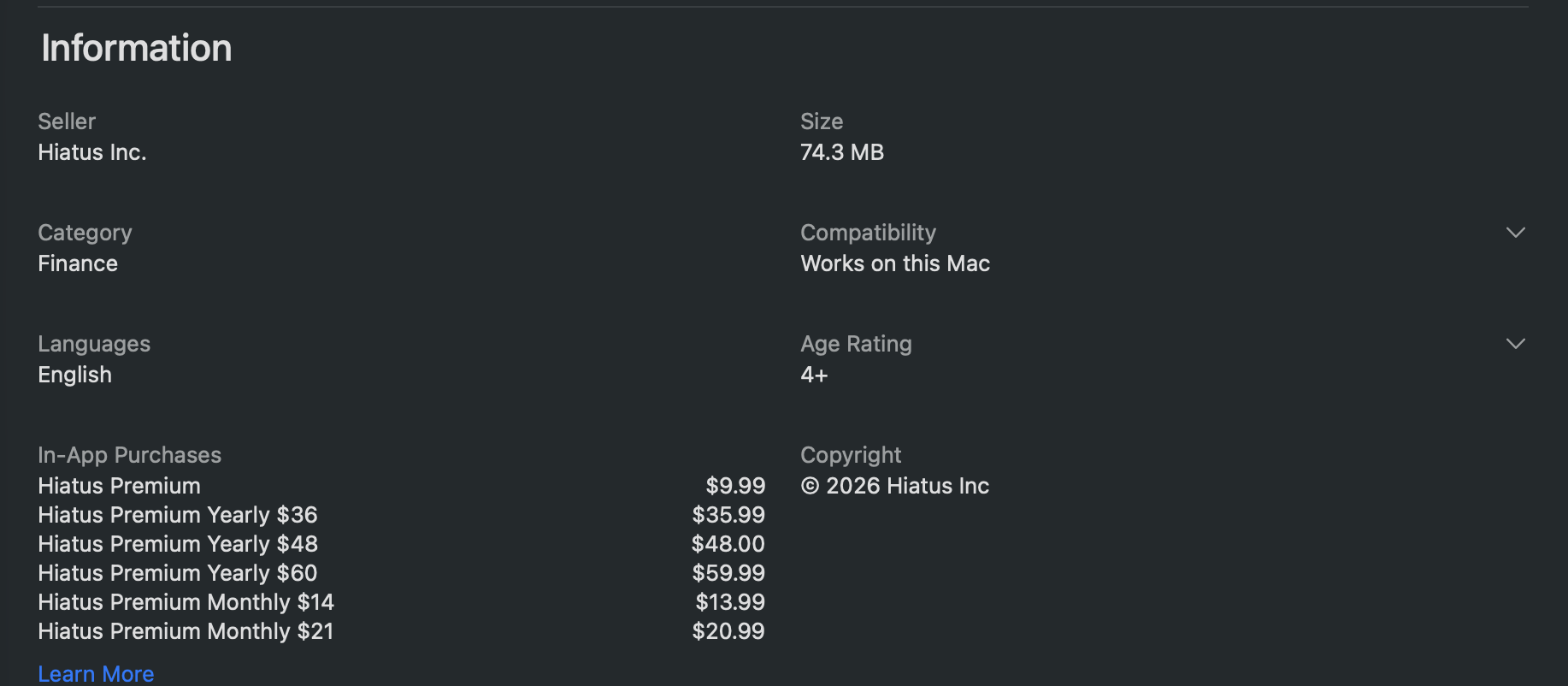
Hiatus can be useful if you want to organize recurring expenses instead of negotiating a single bill, but check the price you're offered before enrolling.
5. Experian BillFixer
With Experian BillFixer, you connect your bank or credit card accounts used to pay recurring bills and submit expenses for negotiation.
Eligible categories include cable, internet, cellphones, landlines, home security, satellite television, and satellite radio. Negotiations generally take three to seven business days.
What you'll pay
BillFixer is free with eligible paid Experian memberships, and you keep 100% of negotiated savings. The lowest-priced paid plan starts at $24.99.
This option could make sense if you already pay for an eligible Experian membership or want its other included features.
Read more >> 6 Best Apps To Report Utility Bills for Credit
What bills can negotiation apps help lower?
Before signing up for a bill negotiation app, understand your recurring expenses and which of them an app can help with.
Cable, internet, and phone bills
Providers may have promotional rates, retention offers, or plan changes that can lower your monthly payment.
Negotiation doesn't necessarily mean changing providers. An app may contact your current provider and ask whether a better rate is available for your current or comparable service.
Subscription services
Subscription-management features can identify recurring charges you don’t think about. In some cases, the biggest savings don't come from canceling something you’d forgotten you were even paying for.
Insurance and other recurring bills
Some services work with insurance or home security bills, while others focus almost exclusively on telecommunications.
Check the provider list before paying for a service. An app isn't particularly useful for negotiation if it doesn't support the companies sending your biggest bills.
How to choose a bill negotiation app
The following steps can help you choose a bill negotiation app:
- Compare fees and success-based pricing. Suppose an app saves you $20 a month, but charges 40% of those savings. Your fee would be $96, leaving $144 in first-year savings. Review flat-fee services to determine whether you could keep more of your money.
- Check which bills the app supports. Make a list of the expenses you want to reduce and compare them with each service's eligible categories and providers.
- Review privacy and account access requirements. Negotiators often need account numbers, bills, login credentials, or access to financial accounts to identify expenses and communicate with providers. Where an app offers a choice, upload a photo of your bill instead of handing over your provider login.
Read more >> How to Negotiate Credit Card Debt With Your Creditor
Alternatives to bill negotiation apps
Before assuming you need someone else to manage your bill negotiation, consider the following alternatives:
- Call providers yourself. Ask whether they have a lower-priced plan, retention discount, or current promotion. Mention competing offers if you've found a better price elsewhere.
- Cancel unused subscriptions. Review your bank and credit card statements for subscriptions you don't use and cancel them directly.
- Ask about hardship programs. Some providers offer payment arrangements or lower-cost plans if you're having trouble keeping up with bills.
- Talk to a nonprofit credit counselor. If you're negotiating bills because money is tight rather than because you want a better deal, a counselor can look at the whole picture, including options these apps don't touch, like hardship programs and debt management plans. The NFCC can connect you to free or low-cost counseling at 800-388-2227.
If the bill is already in collections
These apps negotiate bills you're currently paying. Once an account has been charged off — and often sold to a collection agency — that's a different conversation, and one you can have yourself for nothing. If a settlement and a repayment plan are hard to weigh against each other, a nonprofit credit counselor can price out both before you commit to either.
Kikoff's debt negotiation tool is the hands-off option: It works on collections and charge-offs already on your credit report, contacts the collector for you, and brings back an offer to accept or decline. And it's part of Kikoff Premium and Ultimate plans from $20 a month. Settling a debt for less than the full amount can affect your credit, and outcomes vary by situation.
Bottom line
Every app here can save you money on a recurring bill, and none of them will save you money on all of them. Compare the fee model against the bills you actually want lowered, and check what account access you're handing over.
One thing none of this touches: your credit report. Paying your phone, electricity, gas, and water bills on time usually builds nothing, because those companies generally don't report on-time payments. Kikoff Bill Reporting sends those four payments to TransUnion each month, with eligible plans starting at $20 a month.
Methodology: How we chose these apps
We started with the bill negotiation services you can sign up for directly, covering both fee models: the ones that take a cut of your savings and the ones that charge flat. Apps with no published fee structure or no stated list of eligible bills were noted rather than excluded.
For each, we checked how you pay, whether you owe anything when a negotiation fails, which bills qualify, and what account access is required. Fee model matters more than headline savings: on $240 saved, a 40% success fee leaves you $144.
Every figure comes from the provider's own pricing or help pages, confirmed September 2026. Where a provider doesn’t publish a number, we say so instead.
Kikoff publishes this site but doesn't offer bill negotiation, so nothing here competes with a Kikoff product. Prices, eligible bills, and fee models change. Check the app's current terms before you sign up.
Frequently Asked Questions
Disclaimer: The information provided in this blog post is meant for informational purposes only and does not constitute financial advice.