




A line of credit is a set borrowing limit you can draw on as needed. If you have a credit card, you already have one. As you repay what you owe, you’ll free up more of your credit line, which you can use again and again. You’ll only owe interest on the amount borrowed, and with most credit cards, you can skip interest altogether by paying your full statement balance by the due date. Where it gets expensive is the rate, and on most lines, that rate can change.
How does a line of credit work?
Every credit line comes with a credit limit, which is the maximum amount you can borrow. Here’s a quick example of how it works:
- You have a credit card with a $5,000 limit.
- You make several purchases that total $1,000.
- When the bill comes due, you pay $600, leaving $400 remaining.
- Because you didn’t pay in full, interest is added to the $400 you’re carrying.
- You now have $4,600 available to use again, minus any interest charged.

How does interest work on a line of credit?
Credit lines typically have variable interest rates, meaning that they can go up or down over time. Most are tied to the prime rate, which moves when the Federal Reserve changes its target for the federal funds rate, or the benchmark rate banks charge one another for overnight loans.
Read more >> What Are the 3 Types of Credit?
Types of credit lines
Below are some common types of credit lines, and each one works a little differently.
Credit cards
A credit card is the most familiar type of revolving, or open-end, credit account. That means you can repeatedly borrow up to a predetermined limit. Most credit cards have a grace period, so you won’t owe interest on purchases if you pay off your full statement balance by your monthly due date. But interest will accrue if you carry a balance, and you’ll likely lose that grace period until you pay off the full balance again. With other transactions, like cash advances, interest can start adding up as soon as you borrow money.
Interest rates on credit cards can be extremely high, making them one of the most expensive forms of borrowing.
Personal line of credit
A personal or business line of credit works similarly to a credit card, but there are a few key differences:
- Instead of swiping a card, you’ll likely transfer funds into your bank account or receive a check that draws from your credit line.
- Interest typically starts accruing as soon as you draw funds.
- Rates are often lower when compared to credit cards.
- Eligibility requirements can be stricter. For example, you may need a stronger credit score to qualify.
- There may be a set borrowing period, also known as the draw period. When that ends, you’ll transition to the repayment period.
Personal lines of credit can be unsecured or secured by collateral, like a savings account.
Home equity line of credit (HELOC)
A HELOC is a secured line of credit that allows you to borrow against your home equity. To calculate your home equity, take your home’s value and subtract what you owe on your mortgage. Every lender is different, but many set your limit by taking a percentage of your home’s appraised value and subtracting what you still owe on your mortgage.
Let’s say your home is worth $400,000, you owe $100,000, and your lender caps what you can borrow at 80%. Eighty percent of $400,000 is $320,000. Subtract your $100,000 mortgage balance, and you could borrow up to $220,000.
Like personal lines of credit, HELOCs have draw periods and repayment periods. Requirements vary, though you’ll typically need:
- A credit score of 640 or higher
- At least 15% to 20% equity in your home
- A debt-to-income ratio (DTI) below 43%
- A record of on-time payments on all your credit accounts
- Proof of enough income to reliably make payments
A HELOC uses your property as collateral, so falling behind can risk losing your home to foreclosure.
Before you sign a HELOC
You can change your mind. For most home equity loans and HELOCs on your primary home, federal law gives you three business days after closing to cancel.
Know what you’re trading. Using a HELOC to pay off credit cards turns debt that isn’t tied to anything into debt backed by your house. If the numbers are hard to weigh, a nonprofit credit counselor or a licensed attorney can walk you through them first. The National Foundation for Credit Counseling can connect you to free or low-cost counseling at 800-388-2227.
Lines of credit built for credit building
A secured credit card works like a regular credit card, except that it requires a refundable security deposit. This amount usually determines your credit line. The main benefit of using a secured credit card is that it can help you build your credit history if the lender reports your account activity to Experian, Equifax, and TransUnion.
Some lenders will bump you up to an unsecured card after several months of on-time payments. Ask the issuer how it reviews accounts before you apply.
How the Kikoff Credit Account is different
• No deposit. Unlike a secured card, you don’t put down money up front.
• Only for Kikoff purchases. You can use it only in the Kikoff Store inside the Kikoff app, not for cash, bills, or shopping anywhere else. It’s not extra spending money. It’s a way to build your credit history through on-time payments.
• Your plan is your first purchase. Your monthly payments go toward that balance and are reported to Equifax, Experian, and TransUnion. Plans start at $5 a month.
Line of credit vs. personal loan vs. credit card
Read more >> Debt Consolidation Loan vs. Personal Loan: What's the Difference?
How does a line of credit affect your credit?
If you take out a line of credit, and the lender reports your account activity to the credit bureaus, it becomes a part of your credit history. That can work in your favor if you:
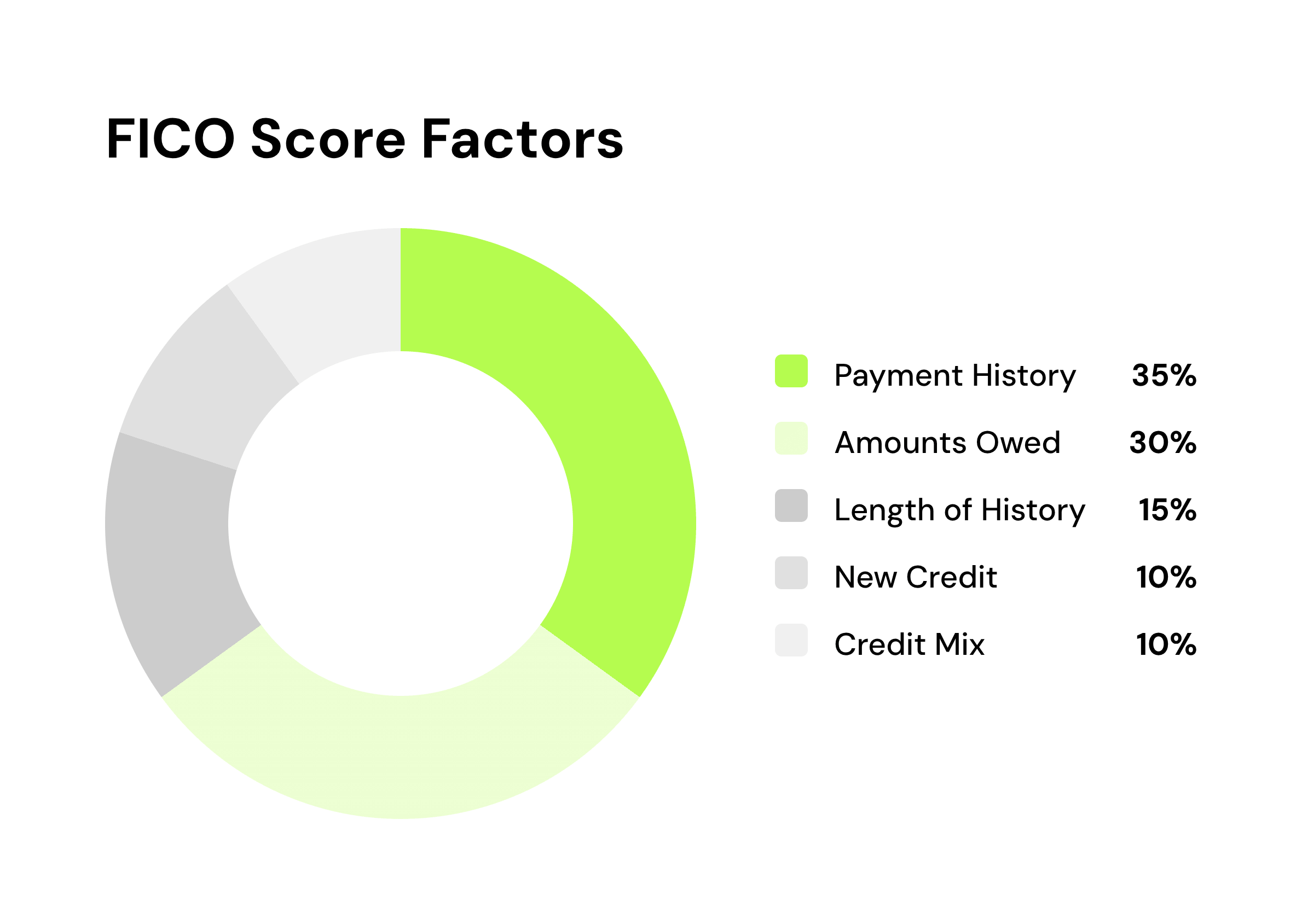
- Pay your bill on time every month. Your payment history makes up 35% of your FICO Score.
- Use a small percentage of your limit. Your credit utilization ratio is how much of your available credit you’re using. If you carry $400 on a $5,000 limit, you’re using about 8%. It’s a major factor in the “amounts owed” category of your FICO Score, which makes up 30% of your score.
Most applications for a new credit line trigger a hard inquiry, which temporarily costs a few points. A new account can also add to your credit mix.
Read more >> The Importance of On-Time Payments in Building Credit
Bottom line
If you’re looking to open a new line of credit, shopping around helps. Every lender sets its own requirements and rates. But on most lines of credit, your credit decides more than whether you’re approved. It sets your rate, and that rate applies to every dollar you draw.
Kikoff’s Credit Account can help you build payment history before you apply. It’s a revolving line of credit that reports your payments to all three credit bureaus, with no credit check to sign up. Plans start at $5 a month.
Frequently Asked Questions
Article Sources
Disclaimer: The information provided in this blog post is meant for informational purposes only and does not constitute financial advice.