
.jpg)


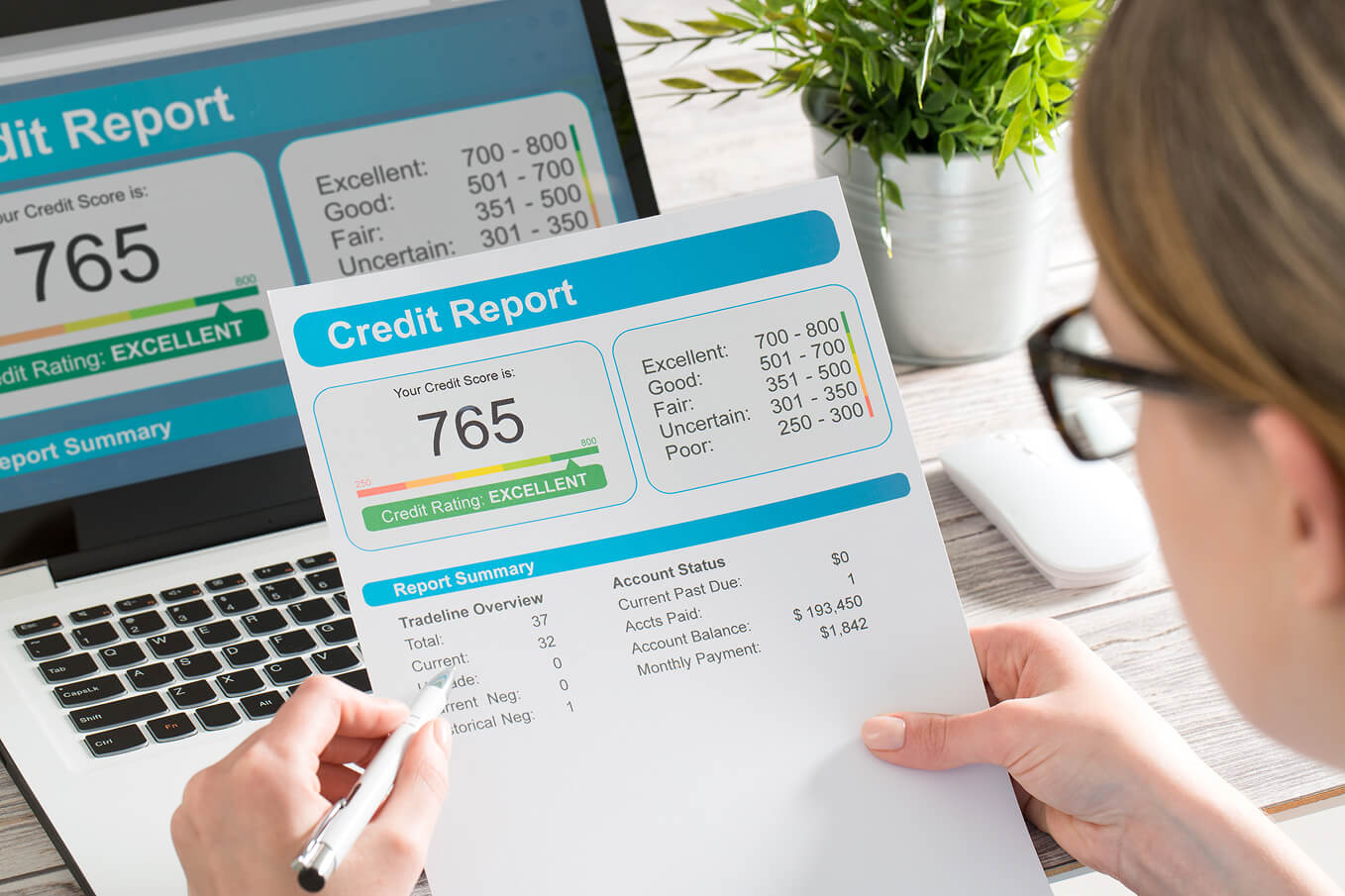
A charge-off means a creditor has classified an unpaid account as a loss for accounting purposes. It does not automatically erase the debt or prevent the creditor, a collection agency, or a debt buyer from trying to collect it.
A charge-off can hurt your credit and may remain on your credit reports for years. If you find one, verify that the account and balance are accurate before deciding whether to dispute, pay, or settle it.
What is a charge-off on a credit report?
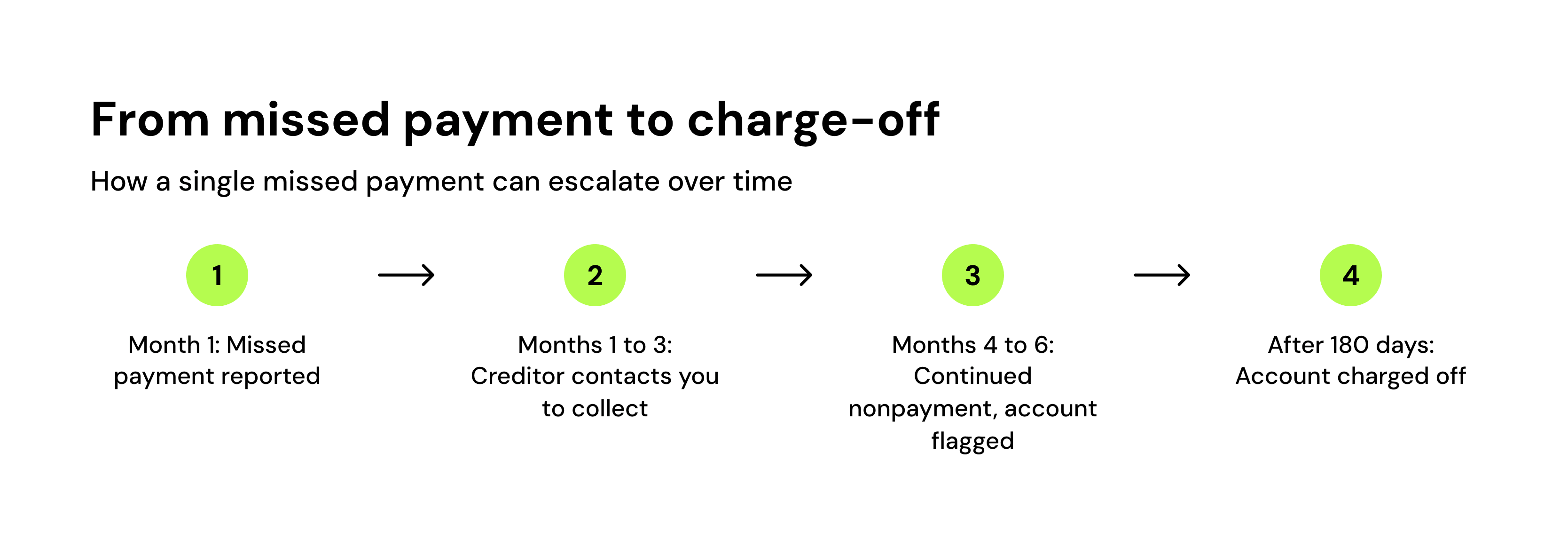
A creditor may charge off an account after you have missed several payments and it no longer expects the account to be repaid as agreed. Credit card issuers commonly take this step after four to six months of missed minimum payments, according to the Federal Trade Commission, although timing can depend on the account and creditor.
The creditor may continue collecting the debt, assign it to a collection agency, or sell it to a debt buyer. Your credit report may then show the original charged-off account and a separate collection account associated with the same debt.
A charge-off and debt forgiveness are not the same thing. A charge-off is an accounting classification. Unless the debt is paid, settled, canceled, or otherwise resolved, you may still owe it.
How does a charge-off affect your credit?
A charge-off is serious negative information because it shows that an account went unpaid for an extended period. The missed payments leading to the charge-off may already have affected your credit before the charge-off appears.
.png)
There is no reliable universal estimate for how many points a charge-off will cost you. The effect depends on the scoring model and the rest of your credit history. Someone with an otherwise strong file may experience a different change than someone whose report already contains several late payments or collection accounts.
Paying or settling a charged-off account does not erase the earlier history. The account should instead be updated to show a paid or settled status and, when appropriate, a zero balance. That update may matter to lenders reviewing your report, but its effect on a credit score can vary.
Does a charge-off mean you no longer owe the debt?
Usually, no. The original creditor may still own the debt, or it may have assigned or sold the account to a collector. Before paying anyone, confirm who currently owns the debt and whether the amount is correct.
If a debt collector contacts you, it generally must provide validation information that identifies the creditor, account, current amount, and your dispute rights. You typically have 30 days after receiving the validation information to dispute the debt in writing. A timely written dispute generally requires the collector to pause collection of the disputed amount until it responds with verification.
Be careful with old debt. The deadline for filing a collection lawsuit varies by state, debt type, and sometimes the agreement. In some states, making a partial payment or acknowledging an old debt may restart that deadline. Check the applicable statute of limitations before making a payment or promise.
If you receive court papers, do not ignore them. Missing the response deadline can result in a judgment even when you may have had a defense. Consider contacting a consumer-law attorney, legal aid organization, or nonprofit credit counselor for guidance specific to your situation.
Read more >> How to Dispute Credit Report Errors
How to deal with a charge-off
The right response depends on whether the information is accurate, who owns the debt, how old it is, and what you can afford.
Review all three credit reports
Get your reports from AnnualCreditReport.com and compare the creditor name, account number, balance, payment history, and date of first delinquency across Equifax, Experian, and TransUnion.
The date of first delinquency is the first missed payment in the uninterrupted series that led to the charge-off. That date helps determine when the negative information should stop appearing.
Dispute inaccurate information
If the account is not yours, the balance is wrong, a payment is missing, or the reporting period has expired, dispute the information with every credit bureau displaying the error. You should also dispute it with the company that supplied the information, known as the furnisher.
The CFPB recommends disputing an error with both the credit-reporting company and the furnisher. Include copies of supporting records and explain exactly what should be corrected. Credit-reporting companies generally have 30 days to investigate, although certain circumstances can extend the period to 45 days.
Accurate negative information generally cannot be removed simply because it hurts your credit. Be cautious of anyone promising to remove a legitimate charge-off.
Validate a collection debt separately
A credit-report dispute and a debt-validation request serve different purposes. A credit-report dispute challenges information shown in your credit file. A validation request asks a debt collector to document the debt it is attempting to collect.
If a collector's notice contains an unfamiliar creditor, incorrect amount, or debt you do not recognize, use the notice's instructions to request verification in writing within the stated deadline.
Decide whether to pay or settle an accurate debt
If the debt is accurate and legally collectible, ask the current owner about payment options. Paying in full should update the account to paid. Settling means the creditor or collector accepts less than the full balance as satisfaction of the debt, and the account may be reported as settled.
Before sending money, get the agreement in writing. It should identify the account, the amount and due date, whether the payment resolves the full debt, and how the account will be reported. Keep the agreement and proof of payment.
Forgiven debt can create a tax issue. If part of the balance is canceled, the creditor may issue Form 1099-C, and the canceled amount may be taxable unless an exception or exclusion applies, according to the IRS. Consider consulting a qualified tax professional about your circumstances.
Check the updated reports
After a payment, settlement, or successful dispute, check your reports again. Confirm that the balance and status were updated as agreed. If the information remains wrong, keep copies of your records and submit a follow-up dispute or a complaint to the CFPB.
How long does a charge-off stay on your credit report?
A charge-off can generally remain on your credit report for up to seven years from the date of first delinquency that led to the charge-off. The clock does not start when the creditor charges off or sells the account.
Federal guidance for companies that furnish credit information explains that a delinquent debt is generally reportable for seven years from the date of delinquency. A collector cannot restart that credit-reporting period by buying or reselling the debt.

Paying or settling the debt generally does not restart the seven-year credit-reporting period. However, the statute of limitations for a lawsuit is a separate legal deadline and may be affected by payment or acknowledgment in some states.
Read more >>How to Remove Collections From Your Credit Report
How to build positive credit history after a charge-off
You do not need to wait for a charge-off to age off your reports before developing healthier credit habits. Focus on actions you can control:
- Pay current accounts by their due dates.
- Keep revolving balances low relative to their limits.
- Avoid applying for credit you do not need.
- Review your reports regularly for inaccurate information.
- Keep copies of payment, settlement, and dispute records.
Improvement takes time, and no company can promise a particular score change. Consistent positive activity can add stronger information to your credit history while older negative information becomes less recent.
Bottom line
A charge-off means a creditor recorded an unpaid account as a loss, but the debt may still be collectible. Verify the account before responding, dispute inaccurate reporting, and understand the legal and tax consequences before paying or settling an old debt.
If a charge-off has been sent to collections, Kikoff's debt negotiation tool can contact the collector and bring back an offer for you to review. You decide whether to accept it. To start adding positive payment history, Kikoff's free Credit Account reports on-time payments to all three major credit bureaus with no hard credit check to sign up. Late payments can negatively affect your credit.
Frequently Asked Questions
Article Sources
Disclaimer: The information provided in this blog post is meant for informational purposes only and does not constitute financial advice.