

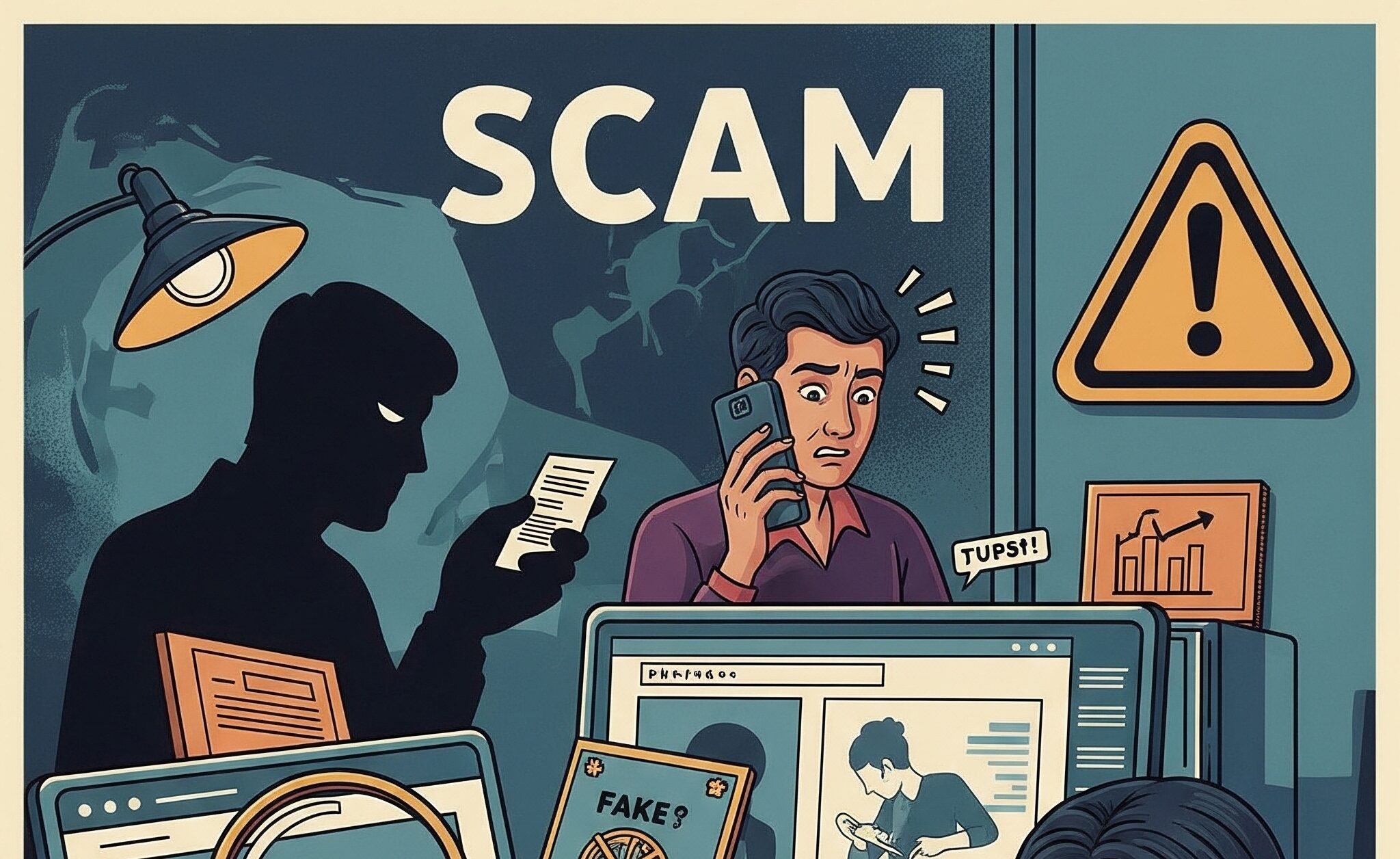
If you're trying to improve your credit score, you're not alone. Whether you're preparing to apply for a loan, move into a new apartment, or simply want healthier financial habits, repairing your credit is a smart move. But with so many so-called "credit repair" services out there, it's easy to fall into a scam that can leave you worse off than when you started.
In this post, we'll show you how to spot a credit repair scam—and what you should do instead to start repairing your credit score safely and effectively.
What Is a Credit Repair Scam?
A credit repair scam is any service that promises to improve your credit in exchange for money but uses dishonest or illegal practices, or fails to deliver at all. These scams often target people who are feeling stressed, desperate, or confused about how credit works.
Here are some red flags:
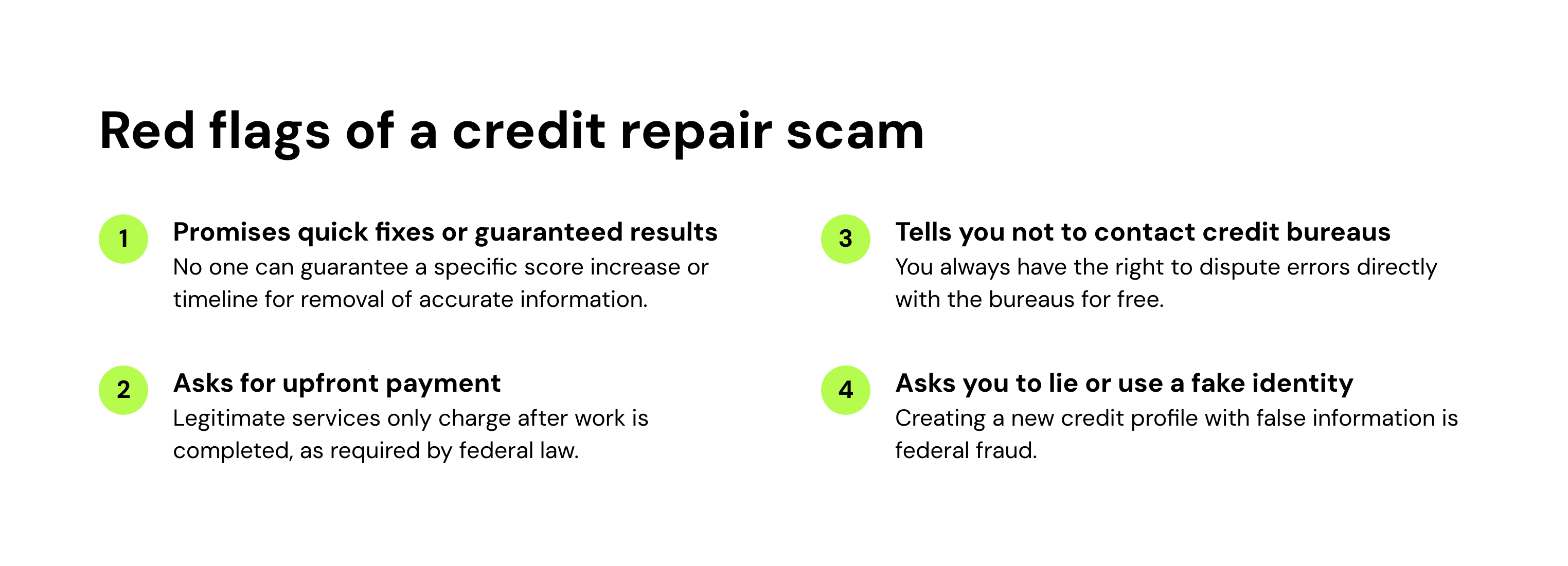
1. They Promise a "Quick Fix" or "Guaranteed Results"
No one can guarantee to remove accurate negative information from your credit report. If a company claims they can instantly increase your credit score or permanently delete legitimate debts, that's a major warning sign.
2. They Ask for Upfront Payment
By law, credit repair companies can't request or receive payment until they've completed the promised services. If someone asks you to pay before they've done anything, walk away.
3. They Tell You Not to Contact Credit Bureaus
You have the right to contact credit bureaus directly and dispute inaccurate information on your own.
4. They Ask You to Lie or Use a Fake Identity
Some scammers might tell you to create a new credit profile using an Employer Identification Number (EIN)—essentially encouraging you to commit fraud. This is illegal.
What to Do Instead: Legit Ways to Start Repairing Your Credit Score
Rebuilding your credit takes time and effort, but it's absolutely possible—and you don't need to pay thousands of dollars to get started. Here are steps you can take today:
1. Use a Credit-Building Tool
Consider using a credit-building product like a secured credit card, a credit-builder loan, or a Kikoff account. These tools report your payment history to the credit bureaus, helping you build a positive history over time.
2. Check Your Credit Reports
Start by getting a free copy of your credit report from all three major bureaus at AnnualCreditReport.com. Review them for errors, such as accounts you don't recognize or incorrect balances.
3. Dispute Any Inaccuracies
If you find mistakes, file a dispute with the credit bureau that's reporting the error. They're required to investigate and respond within 30 days.
4. Make On-Time Payments
Your payment history is the biggest factor affecting your credit score. Set up reminders or automatic payments to ensure you're never late.
5. Pay Down Debt
High credit card balances can drag your score down. Try to keep your credit utilization ratio under 30%, and ideally under 10%.
6. Keep Old Accounts Open
Length of credit history matters. If you have older accounts with no annual fees, keep them open to help your score.
7. Be Patient and Consistent
There's no magic bullet for repairing credit. But with responsible habits and time, your score will improve. Start by monitoring your credit regularly to track your progress. Build credit the right way with tools you can trust.
Ready to start building your credit the right way? Check out how Kikoff can help. Kikoff offers transparent, affordable tools designed to help you grow your credit history and build your credit score with no scams or surprises.
Frequently Asked Questions
About the editor

Disclaimer: The information provided in this blog post is meant for informational purposes only and does not constitute financial advice.