


Seeing a collection account from CMRE Financial Services on your credit report can feel alarming, especially when you're not entirely sure what it is or how it got there.
The good news is that you have real options for addressing it, and in many cases, you can get it removed entirely.
In this post, we'll walk through exactly what CMRE is, why it might be on your report, and the specific steps you can take to dispute or remove it.
How to remove CMRE from your credit report
Removing CMRE from your credit report generally comes down to one of three paths: disputing an inaccuracy, requesting debt validation, or negotiating a pay-for-delete agreement.
The right path depends on whether the debt is legitimate, whether the information being reported is accurate, and how old the account is.
Let's jump in.
Step 1: Pull your credit report and review the CMRE entry
The first move is to get a full picture of what CMRE is actually reporting.
You can pull your credit reports for free at annualcreditreport.com, where you're entitled to one free report from each of the three major bureaus every year.
When you review the CMRE entry, look for:
- The original creditor listed (who CMRE is collecting on behalf of)
- The date the account first went delinquent
- The balance being reported
- Whether the same debt appears multiple times under different names
Any inconsistency in these details is a potential ground for dispute.
Step 2: Determine if the debt is valid
Once you've reviewed the entry, your next step is to figure out whether you actually owe this debt.
CMRE Financial Services is a debt collection agency that mainly works in the healthcare sector, so the debt is usually a medical bill that was handed off to collections after going unpaid.
This said, it's not uncommon for collection accounts to appear on credit reports due to errors, be it a billing mistake, a case of mistaken identity, or a debt that's already been paid and should have been removed.
If you don't recognize the debt at all, or if something about the entry looks off, that's a strong signal to dispute it before doing anything else.
Step 3: Send a debt validation letter
Under the Fair Debt Collection Practices Act (FDCPA), every individual has the right to request that a debt collector verify the debt before you pay it.
This means CMRE is legally required to send you documentation proving the debt is yours, the amount is accurate, and that they have the right to collect it.
Send your validation request in writing, via certified mail with return receipt, so you have a paper trail.
If CMRE cannot validate the debt within 30 days, they must stop collection activity, and you can request that the bureaus remove the entry.
Step 4: Dispute inaccuracies with the credit bureaus
If the CMRE entry contains any inaccurate information, even something as minor as a wrong balance or an incorrect date, you have the right to dispute it directly with Equifax, Experian, and TransUnion.
The bureaus are required to investigate your dispute and respond, generally within 30 to 45 days.
If the information cannot be verified, they're required to remove it.
You can file disputes online through each bureau's website, or use a tool like Kikoff, which provides free dispute letter generation to help you file cleanly and efficiently without paying for a service.
Step 5: Negotiate a pay-for-delete agreement
If the debt turns out to be legitimate and accurate, your best remaining option is to negotiate a pay-for-delete agreement with CMRE.
A pay-for-delete is effectively an arrangement where you agree to pay the outstanding balance, be it in full or through a settlement, in exchange for CMRE removing the collection entry from your credit report.
This isn't guaranteed, and not all debt collectors agree to it, but it's worth attempting, especially if the collection is recent and actively dragging your score down.
Get any pay-for-delete agreement in writing before you send a single payment, and keep a copy of it indefinitely.
Step 6: Wait for the statute of limitations
If you're not in a position to pay and the debt is older, it's worth knowing that collection accounts generally fall off your credit report after seven years from the original delinquency date.
This is a federal requirement under the Fair Credit Reporting Act (FCRA), so CMRE cannot legally continue reporting it after that window.
You'll want to check the original delinquency date on your report and calculate how much time is left before it naturally ages off.
Just make sure you don't accidentally reset the clock by making a payment on a very old debt before consulting with a financial advisor, since in some states a partial payment can restart the statute of limitations for lawsuits.
What is CMRE Financial Services?
CMRE Financial Services is a debt collection agency based in Ontario, California.
They mainly specialize in collecting on behalf of healthcare providers, which is why many people who see CMRE on their report had no idea they had an outstanding medical balance.
Hospitals, physician groups, and medical billing companies will often sell or assign unpaid accounts to agencies like CMRE after a period of non-payment, which is when the collection account first appears on your credit report.
CMRE is a legitimate company, but that does not mean every entry they report is accurate or that you have no recourse.
Why CMRE appearing on your credit report matters
A single collection account can have a significant and immediate negative impact on your credit score, and that impact is generally worse the higher your score was before it appeared.
Collections signal to lenders that you failed to repay a past obligation, which paints a picture of "higher risk" regardless of whether the debt was a $40 copay or a $4,000 hospital bill.
This can affect your ability to get approved for credit cards, auto loans, housing, and even certain employment opportunities.
The longer a collection account stays on your report, the more time it has to weigh down your score, which is why addressing CMRE sooner rather than later is a no-brainer.
How to rebuild your credit after a collection account
Getting CMRE removed is a major step, but if your credit took a hit, rebuilding it takes consistent positive activity over time.
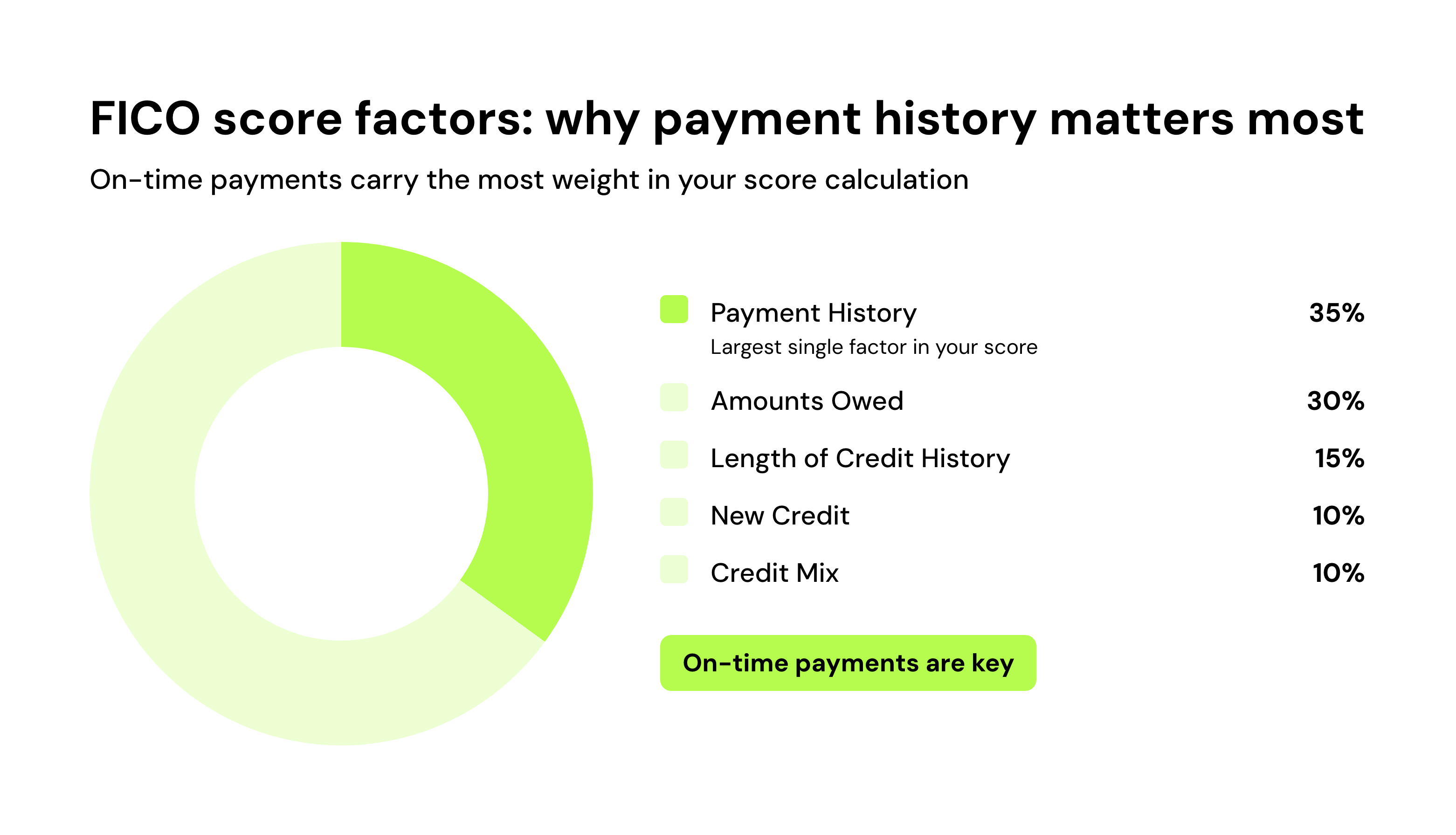
The single most important thing you can do is establish a track record of on-time payments going forward, since payment history makes up 35% of your FICO score.
Opening a credit account that reports to all three bureaus is one of the most efficient ways to do this.
Kikoff is a credit-building platform that helps users add positive payment history to their credit profile, with no hard credit check to sign up.
Keeping your credit utilization low and avoiding new derogatory marks will compound those gains over time, and your score can recover meaningfully within 12 to 24 months of consistent healthy behavior.
Conclusion
CMRE Financial Services on your credit report is a serious issue, but it's one you can address with the right approach.
Start by pulling your reports, reviewing the entry carefully, and sending a debt validation letter before making any payments.
If there are inaccuracies, dispute them directly with the bureaus. If the debt is valid, explore a pay-for-delete agreement or wait for the account to age off.
And once CMRE is off your report, start building positive credit history to replace it. Kikoff makes it easy to get started with no hard credit check required.
Frequently Asked Questions
Paying a collection account does not automatically remove it from your credit report. Unless you negotiate a pay-for-delete agreement in writing beforehand, the account will remain on your report as a "paid collection," which is better than an unpaid one but still visible to lenders.
Yes, CMRE can take legal action to collect a debt, but their ability to do so is generally limited by your state's statute of limitations on debt. Once that window expires, the debt is "time-barred," meaning they can no longer successfully sue you for it, though they may still attempt to collect.
Yes, under the Fair Credit Reporting Act, collection accounts must be removed from your credit report seven years from the original delinquency date, regardless of whether the debt was paid. You do not need to take any action for this to happen, though you should verify the delinquency date is accurate on your report.
Sources
Disclaimer: The information provided in this blog post is meant for informational purposes only and does not constitute financial advice.