




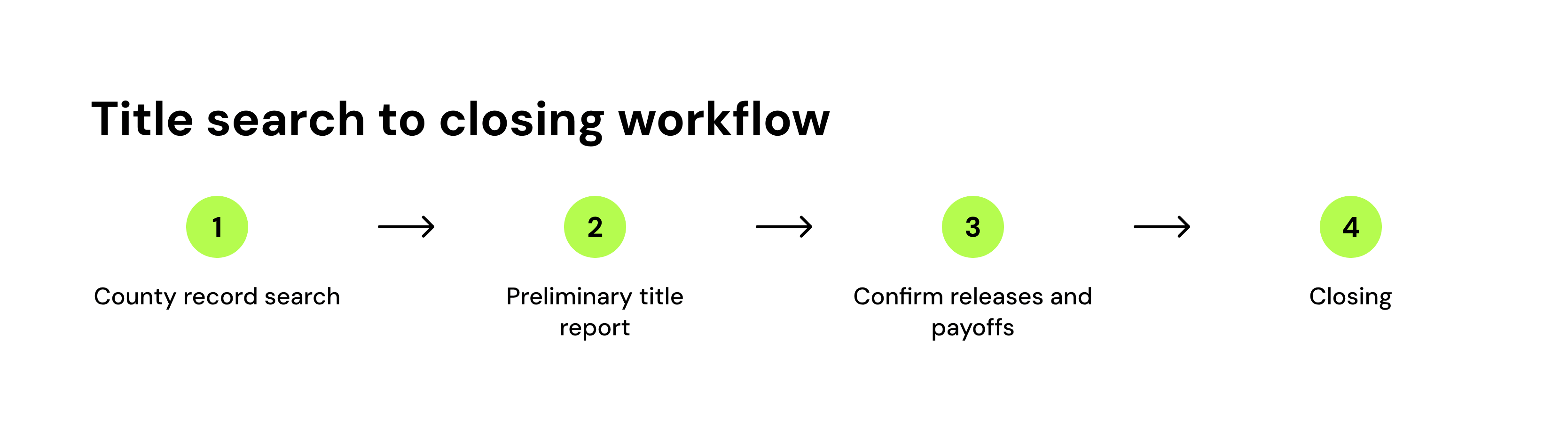
To check for liens on a property, start with the recorded documents at the county it’s in. Then have a title company run a full title search before you close. Its preliminary title report lists every lien it finds and what has to be paid off before the sale can go through.
If your worry is inheriting the seller's debt, that's exactly what these checks are for. A lien generally follows the property, not the person, so one that slips past you before closing can become your problem. That's also why owner's title insurance exists. It can protect you if someone later says they have a claim against the home from before you bought it.
What is a lien on a property?
A lien is a creditor's legal claim against a property, used to secure a debt. Think of it as an IOU attached to the home itself. It gives the creditor the right to be paid from the property, usually when it's sold or refinanced. Until the debt is paid and the lien is released, it stays attached to the title. A title is your legal ownership of the property, and the deed is the document that transfers it.
Liens fall into two broad types:
- Voluntary liens. These are liens an owner agreed to, such as a mortgage. You sign on for it when you borrow money to buy the home.
- Involuntary liens. These get filed without the owner signing off, such as when taxes or a contractor's bill go unpaid.
Any home with a mortgage has a lien on it. What matters is whether each one gets paid off and released before the home becomes yours.
How to check for liens on a property
You can do a first pass yourself for little or no money. But a professional title search is the check that counts before closing.
Search your county recorder or clerk records
Liens on real estate get recorded with the county in which the property is located. Depending on the state, that office might be called the county recorder, register of deeds, or county clerk.
Start on the county's website and look for a records search. Or call and ask whether you can search for documents by address or parcel number:
- Find the parcel number. It's on the county assessor's website, and it's often more reliable than a street address.
- Search by parcel number and by owner name. Names are sometimes misspelled in the records, so try a few spellings.
- Look for lien documents. Watch for a mortgage or deed of trust, a judgment, a mechanic’s lien, or a Notice of Federal Tax Lien. The IRS files that notice as a public document to let creditors know it has a legal right to the owner's property.
- Check for unpaid property taxes. Look on your county treasurer's or tax collector's site, since tax bills may be tracked separately from recorded documents.
A lien that's been paid off can still show up in the records. Look for a matching release or satisfaction document recorded later. Found the lien but not the release? Write down the details and ask the title company about it.
Use a title search company
A title search is a professional dig through public records to confirm who owns the property and what claims are attached to it. If you're getting a mortgage, your lender typically requires one, along with lender's title insurance.
That insurance only protects your lender. To protect yourself, you might buy an owner’s title insurance policy. You can usually shop for your title insurance provider separately from your mortgage, so it's worth comparing.
You can order a title search even if you’re paying cash. It might matter more then, because no lender is checking for you.
Check online lien search tools
Some websites pull public records from many counties into one search. They're handy for a quick first look, especially if you're weighing several properties. But they can miss recent filings or show stale information, so treat a clean result as a starting point, not the final word. Before you pay for a report, ask where the data comes from and when it was last updated.
Review a preliminary title report
Once you're under contract, the title company sends a preliminary title report. In some states it's called a title commitment. It’s the property's background check, listing the current owner, the liens and other claims the title company found. It also includes what has to happen before the title company will insure the property.
A sample report: Buying Jordan Lee’s house
Say you're under contract on a house owned by Jordan Lee. A simplified preliminary title report for it might include:
Give the exceptions a careful read, and ask your title officer whether the items will be cleared before closing or will stay on the policy as an exception.
Read more >> How to Reduce Closing Costs When Buying a Home
5 common types of liens to look for
1. Mortgage liens
This is the lien a lender places on a home when it makes a mortgage loan, and it's the one you'll expect to find. Some states use a deed of trust instead, which works in a similar way. When the home sells, the seller's mortgage is typically paid off from the sale proceeds, and the lender records a release.
2. Tax liens
These come from unpaid taxes, and there are two main types:
- A local government can place a lien for unpaid property taxes.
- The IRS can file a federal tax lien for unpaid federal tax debt. The IRS releases the lien within 30 days after the tax debt is paid.
3. Mechanic's liens
If a contractor or supplier did work on the property and didn't get paid, they can file a mechanic's lien. When buying a home with a new kitchen or a fresh roof, ask the seller for proof the contractors were paid. And because rules and filing deadlines vary by state, ask your title company what applies where you live.
4. Judgment liens
If a creditor wins a court case against the owner, it may be able to record the judgment as a lien on the owner's real estate. How long a judgment lien lasts, and whether it can be renewed, depends on state law.
5. HOA liens
If the property is in a homeowners association, unpaid dues or special assessments can turn into a lien. Before closing, ask the HOA (or have your title company ask) for a written statement of what the seller currently owes. That way, any balance can be dealt with at closing.
Read more >> First-Time Homebuyer Programs: What’s Available in All 50 States
What to do if you find a lien on a property
Finding a lien doesn't mean the sale is off. Liens are often cleared at closing, with the payoff coming out of the seller's proceeds. Your job is to make sure each one is handled, in writing, before you sign.
- Confirm it's still active. Check whether a release or satisfaction was recorded later. A paid lien sometimes lingers in the records without one.
- Tell your real estate agent and title company in writing. Include the document type, the creditor's name, the amount, and the recording date.
- Ask how it will be resolved. Usually the seller pays it off before or at closing, and the title company records the release. Ask for a copy of the release once it's recorded, and keep it with your closing papers.
- Check your contract's title contingency. Your purchase contract may include one, with a deadline to raise title problems. It may let you back out if the title can't be cleared, so note that date.
- Get help if the lien is disputed or won't be cleared. Start with your title officer, since answering title questions is part of the service you're paying for. If the seller can't or won't clear the lien, talk with a licensed real estate attorney before you close.
Read more >> What You Need Before Buying a House
What if the lien is on your own home? If you check your own property and find a lien you didn't expect, contact the creditor named on the document and ask for proof of the debt. For a federal tax lien, use the contact information on the notice the IRS mailed you. If you believe it's wrong, a local legal aid office may help for free. Otherwise, consider talking with a licensed attorney for personalized guidance.
How liens can affect your credit
Liens themselves no longer appear on credit reports from Equifax, Experian, and TransUnion. In July 2017, the bureaus removed all civil judgments and about half of tax liens. By April 2018, no tax liens remained, and bankruptcies became the only public record on those reports.
But the debt behind a lien can still leave a mark. Missed mortgage payments are reported on the mortgage account, and an unpaid debt sent to collections may appear on your report. Lenders can also look up liens in public records. And once the IRS files a Notice of Federal Tax Lien, it can limit you from getting credit.
If you're the buyer, a lien on the seller's property doesn't touch your credit. It's tied to their debt, not yours.
To learn what lenders will see, check your own credit reports for free every week at AnnualCreditReport.com. Checking your own report doesn't affect your credit score.
Read more >> Do Tax Liens Show Up on Your Credit Report?
Bottom line
A few searches now can keep you from inheriting someone else's debt later. Search the county records, then let the title search and preliminary title report confirm what has to be cleared before you close.
But a clean title only covers the house. Your lender reviews your credit too, and it can affect both whether you're approved and the rate you're offered. That half of the deal is built by your own payment history, ideally well before you apply.
Kikoff's Credit Account reports your on-time payments to all three credit bureaus, with no credit check to sign up. Plans start at $5 a month.
Frequently Asked Questions
Article Sources
Disclaimer: The information provided in this blog post is meant for informational purposes only and does not constitute financial advice.