.jpg)



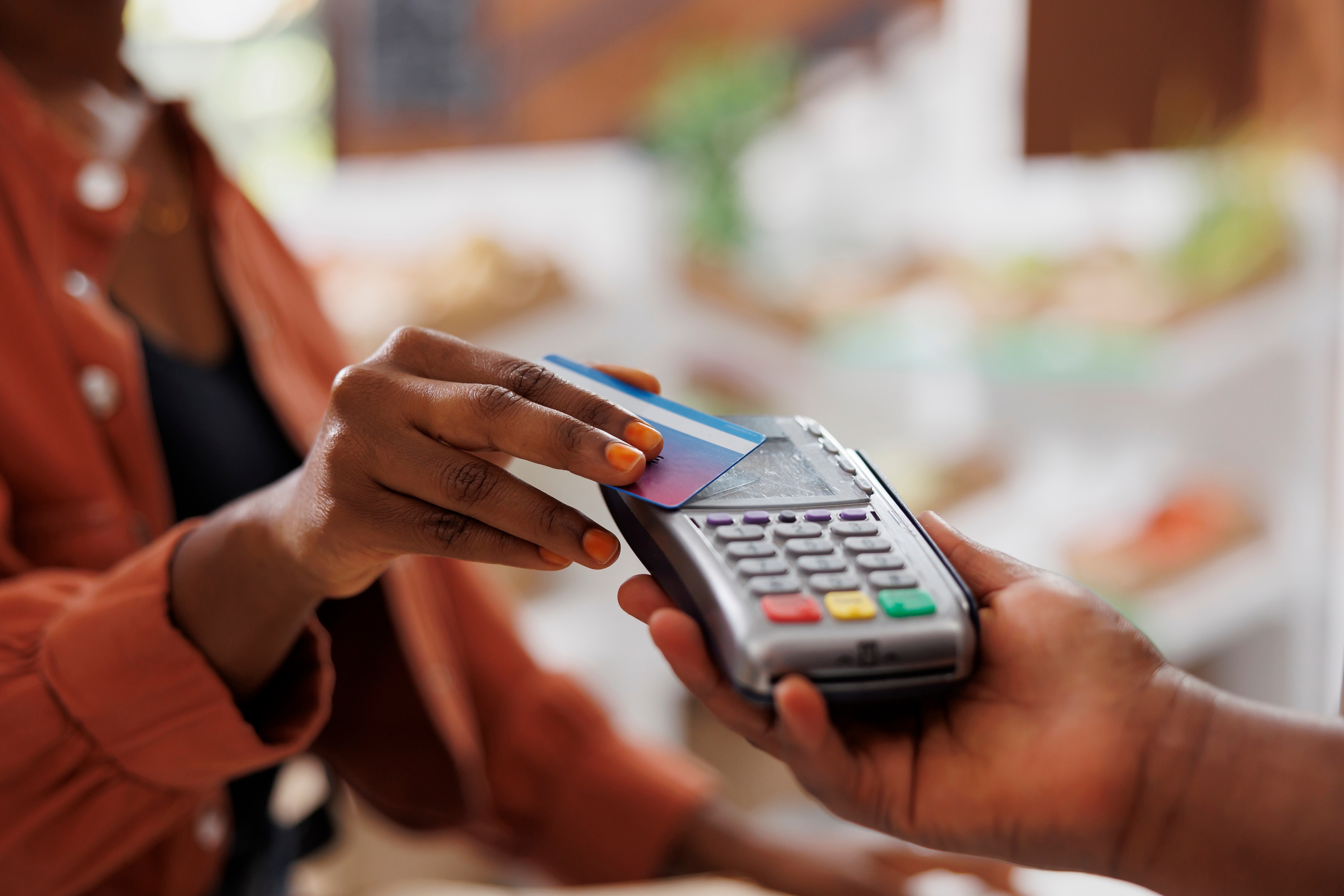
That long string of digits on your credit card isn’t random. It’s a structured code that tells payment systems who issued your card, which account it belongs to, and whether the number itself is even valid, all before a single dollar changes hands.
How many numbers are on a credit card?
Visa, Mastercard, and Discover cards typically have 16 digits. American Express cards have 15. Some have longer numbers. Visa, for example, uses up to 19 digits on some cards issued in Europe.
So if your card is a different length from a friend’s, it comes down to which network issued it.
Read more >> What Is a Good APR for a Credit Card?
What each section of your credit card number means
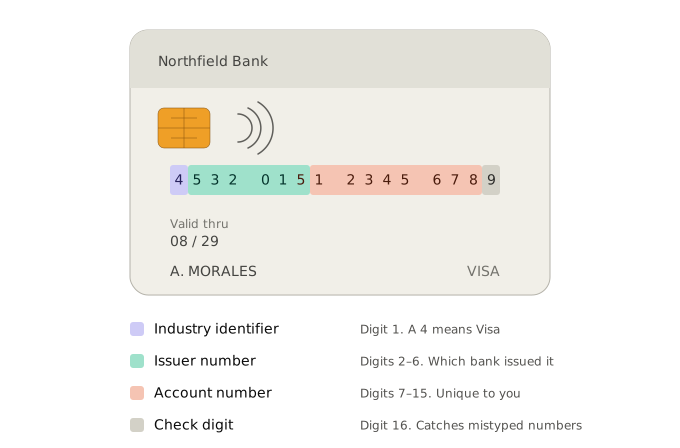
The first digit: The industry identifier
The first digit places the card in a broad industry category.
In practice, it also tells you the network: cards starting with a 4 are Visa, 5 or 2 are Mastercard, 3 is usually American Express, and 6 is Discover.
First 6 to 8 digits: The issuer number
The first six to eight digits make up the issuer identification number, also called the bank identification number (BIN).
It identifies the bank that issued your card, so a store’s payment system knows where to send your purchase for approval. Card networks moved from six-digit to eight-digit BINs in April 2022, so newer cards may use the longer version.
The account number
Remaining digits but for the last one make up your individual account number. These digits are unique to your account, distinguishing your card from every other one issued by the same bank.
Last digit: The check
The last digit isn’t part of your account information. It’s a check digit calculated with a formula called the Luhn algorithm, and it lets a payment system catch a mistyped number before the charge ever reaches your bank.
Read more >> How Many Credit Cards Should I Have?
Other numbers on your credit card
Your card number isn’t the only set of digits worth knowing about:
Expiration date
The expiration date is printed as a month and year. Some cards use two digits for the month and two for the year, while others use four digits for the year.
CVV or CVC
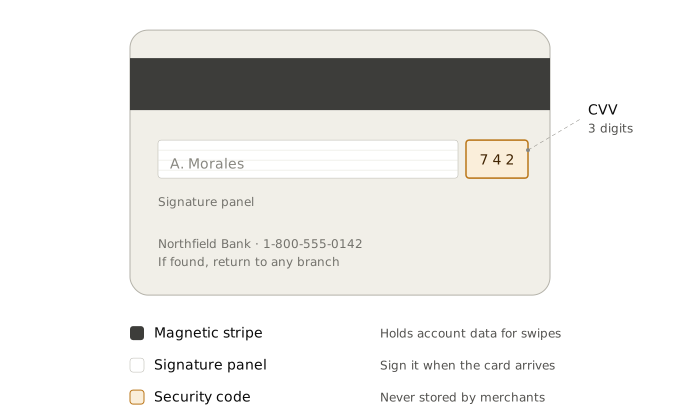
The security code, called a card verification value (CVV) by Visa or a card verification value (CVC) by Mastercard, is usually three digits. American Express uses a four-digit code.
Where it’s printed varies by card, so check the front and the back.
How to keep your credit card number safe
Don’t send your card number by text or email. Cover the keypad when you type your PIN in public, and check your statements every month for charges you don’t recognize. If your card is lost or stolen, lock it in your card issuer’s app or call the number on the back of your card.
Federal law limits what you owe. If someone uses your card before you report it missing, the most you’ll owe is $50. If someone steals only your number and you still have the card, you generally owe nothing for the charges they make.
Bottom line
Your card number is a routing code. The length depends on the network, and each section has one job. None of it affects your credit. The credit bureaus see what you do with the account, including whether you pay on time and how much of your limit you use.
A Kikoff Credit Account adds to that record. It reports your on-time payments to Equifax, Experian, and TransUnion, with no credit check to sign up. Plans start at $5 a month.
Frequently Asked Questions
Article Sources
Disclaimer: The information provided in this blog post is meant for informational purposes only and does not constitute financial advice.