.jpg)
.jpg)


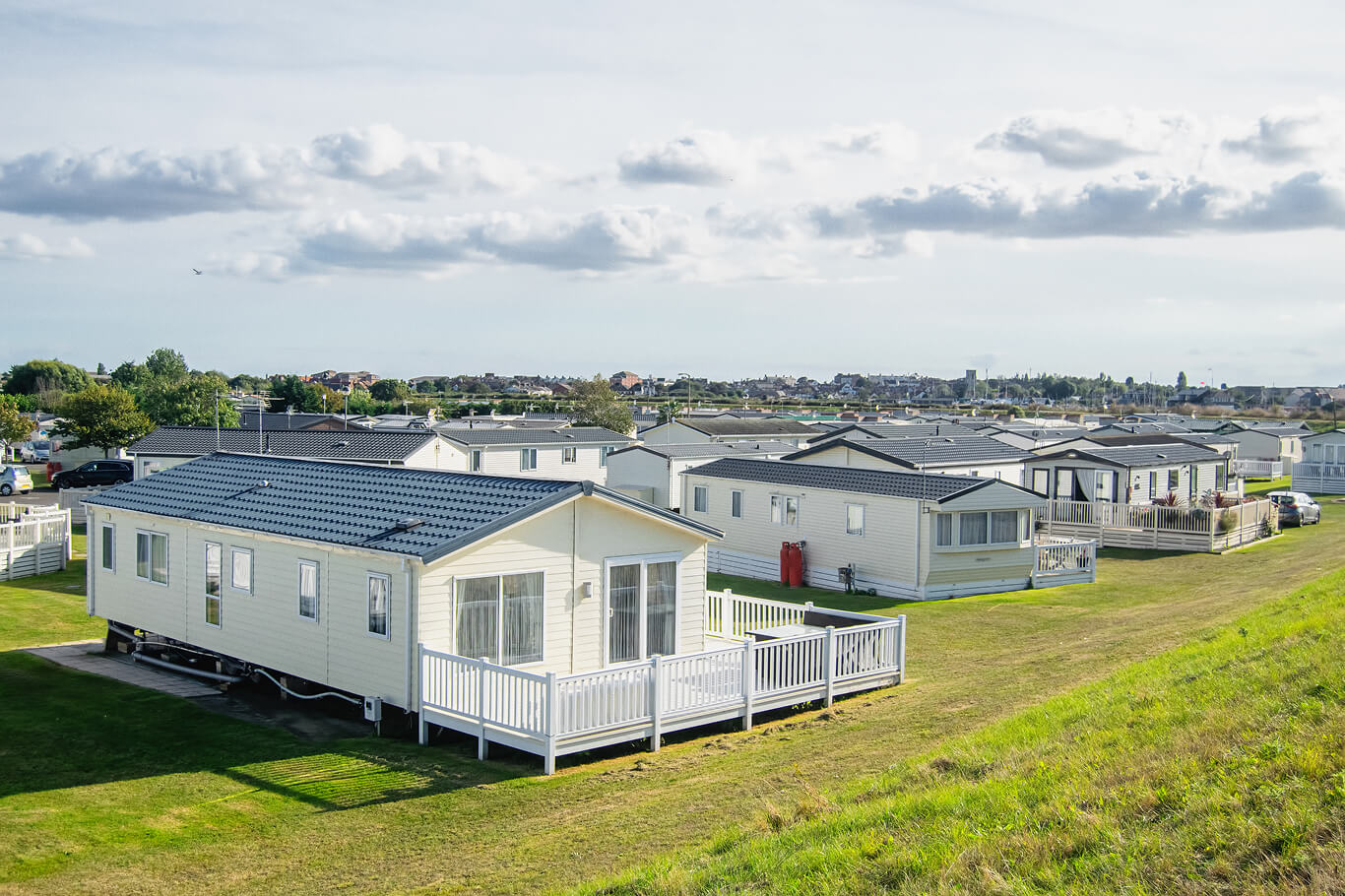
Yes, you can get a loan for many mobile homes, but you may not use the same kind of mortgage you would use for a site-built house. Your options depend on the home's age, how it is titled, whether you own the land, and the lender's rules.
If you own a home and want to refinance, those details matter just as much. Find them out before you start comparing rates: a lender that finances a home and its land may not offer a loan for a home on a rented lot.
Can I get a loan on my mobile home?
Usually, yes. People often use “mobile home” and “manufactured home” to mean the same thing, but the distinction can matter when you apply. A manufactured home is built to federal standards established on June 15, 1976. A home built before then is generally called a mobile home and may not qualify for the manufactured-home programs below, according to the Consumer Financial Protection Bureau.
If you are buying an older home, ask lenders about the construction date before paying application or inspection fees. For a newer manufactured home, ask the seller for the HUD certification label information, title documents, and details about the lot. These will help a lender determine which loans may fit.
How lenders classify mobile and manufactured homes
The home's legal classification is one of the first things to check. A manufactured home can be titled as real property or as personal property, sometimes called chattel. State law, the land arrangement, and the steps taken to attach and title the home all play a part.
Real property vs. personal property
- Real property: The home is permanently installed and legally treated as part of the land. For a conventional mortgage, Fannie Mae requires documentation showing the home is attached to a permanent foundation and becomes real property. A concrete slab alone does not establish its legal status.
- Personal property: The home is titled separately from the land, much like other movable property. This is common when the home sits on a leased lot, but land ownership alone does not automatically convert the home's title to real property.
Check the home's certificate of title, land deed or lease, and local property records. If you are buying a home and lot together, ask the lender what title or foundation steps must be completed before closing. Those requirements vary by program and state.
Why classification affects your loan options
A home classified as real property may qualify for a manufactured-home mortgage if it meets the program's other rules. That can open up FHA Title II and some conventional options, with terms and costs that differ from personal-property financing.
A home classified as personal property can still be financed. FHA Title I and chattel loans are possible paths, including in some leased-lot situations. The difference matters to your budget: CFPB research found that manufactured-home borrowers with chattel loans generally paid higher interest rates and were less likely to refinance than borrowers with manufactured-home mortgages.
A home on a rented lot is not automatically ineligible for financing. Ask about the lot lease and the lender's specific program rules before ruling it out.
Loan types available for mobile homes
There is no single “mobile home loan.” Match the loan to the home and land you plan to finance, then compare offers from lenders that actually make that type of loan. If the home is titled as personal property, learn how a chattel mortgage works before comparing offers.
Read more >> What is a chattel mortgage?
FHA Title I and Title II loans
HUD's Title I manufactured-home program can finance or refinance an eligible manufactured home, a lot, or both. The home may be classified as personal property or real estate. A leased lot can qualify if its lease meets HUD's conditions, including an initial term of at least three years and advance notice before termination. You must meet borrower, installation, and site requirements, and find a participating lender.
FHA Title II is a different path. It is an FHA-insured mortgage for an eligible manufactured home that is treated as real estate, generally with the home and site together and the home on a qualifying permanent foundation. Ask the lender to check the title, foundation, HUD certification, and other property requirements before you count on Title II financing.
These programs are easy to confuse: personal-property classification does not rule out Title I, but it can prevent a home from qualifying for a Title II real-estate mortgage.
Chattel loans
A chattel loan is secured by the home rather than by the home and land together. It may fit a manufactured home on a leased lot or a home still titled as personal property. If you do not repay the loan, you could lose the home used as collateral.
Chattel financing can involve a shorter term and a higher rate than a real-property mortgage. Compare the annual percentage rate (APR), monthly payment, total cost, fees, and any lot rent. A low purchase price does not tell you what living in the home will cost each month.
Personal loans
Some lenders may allow an unsecured personal loan for a smaller home purchase. Because the home does not secure the loan, a lender may offer a lower borrowing limit or a different rate and repayment term than a manufactured-home lender. Check that the loan agreement permits your intended use, and compare its APR and total repayment cost with secured options.
For an older home that does not qualify for a manufactured-home program, a personal loan may be worth asking about. It is not a substitute for checking whether the home is safe, insurable, and permitted to remain on its site.
Conventional loans
Some conventional mortgage lenders finance manufactured homes that qualify as real property. Fannie Mae's rules call for a qualifying permanent foundation and legal real-property status, among other conditions. A single-section home is not automatically excluded, but the property and lender still need to meet the applicable rules.
Ask whether the lender offers manufactured-home mortgages and whether the specific home qualifies. This matters even if you own the land: a separate vehicle-style title or an installation problem may need to be resolved first.
VA and USDA loans
If you are eligible for VA benefits, a VA-backed purchase loan can be used to buy a manufactured home or lot. You need a Certificate of Eligibility, must meet credit and income requirements, and need a lender willing to finance the property. Ask that lender how it handles a home on a leased lot or one that has not yet been affixed.
For an eligible rural home, USDA's Section 502 Guaranteed Loan Program can offer 100% financing to qualified buyers. Eligibility depends on the borrower, location, property, and lender. That does not mean every purchase has no other costs. USDA also allows eligible existing and single-wide manufactured homes when they meet program requirements, including applicable foundation rules.
What credit score do you need to get a mobile home loan?
There is no one score that works for every manufactured-home loan. The loan program sets some rules, lenders may set additional ones, and they will also review your income, debts, down payment, and the property.
For an FHA Title II mortgage, HUD's handbook generally allows the minimum 3.5% investment at a decision score of 580 or above. A score from 500 to 579 generally requires at least 10% down. That is a program threshold, not a promise that a lender will approve you. FHA Title I has its own underwriting and cash-investment rules, so do not assume the Title II thresholds apply to it.
USDA says its guaranteed-loan program has no program-wide credit score minimum. A USDA lender still evaluates your ability to repay and may have its own standards. For conventional, VA, chattel, and personal loans, ask each lender for its current requirements rather than relying on a blanket score cutoff.
Read more >> Can I get approved for an FHA loan with a 500 credit score?
How to prepare before you apply
Start with the property, then work through your finances. That order can save time if the home does not meet a lender's requirements.
- Confirm the home's age and paperwork. Get the HUD label information for a manufactured home, its title, and the land deed or lease. Ask about foundation certification and whether the title must be converted to real property.
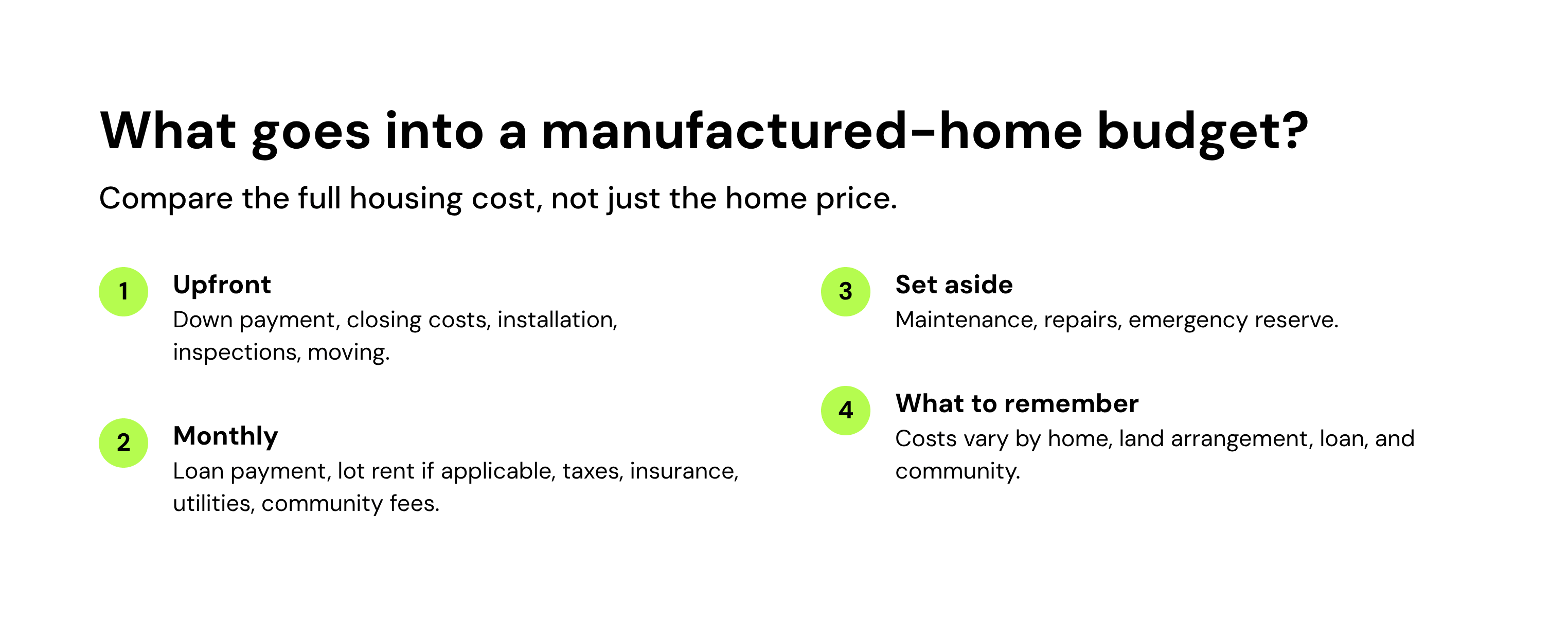
- Work out the full monthly housing cost. Add the proposed loan payment, lot rent if applicable, taxes, insurance, utilities, and any community fees. If you will own land, budget for its upkeep too.
- Review your credit and debts. Check your credit reports for errors and pay bills on time. Your debt-to-income ratio compares your monthly debt payments with your gross monthly income; lenders use it to judge whether the new payment fits.
- Save for more than the down payment. Depending on the loan, you may need cash for closing costs, installation, inspections, moving, repairs, or a reserve after closing. Ask each lender what can be financed and what you must pay yourself.
- Compare lenders that offer the right product. Ask for quotes on the same loan amount and term when possible. Compare APR, fees, monthly payments, and total repayment cost, and ask whether refinancing may be available later.
If you are still deciding whether to buy a home on leased land, read the lot agreement closely. The home payment and lot rent are separate obligations, and the terms for future rent changes or moving the home can affect your budget.
Bottom line
Getting a loan on a mobile or manufactured home is possible. Your first step is to confirm the home's construction date, title, foundation, and land arrangement. Those details point you toward a real-property mortgage, FHA Title I, a chattel loan, or another option. From there, compare lenders and the full cost of owning the home, including any lot rent.
If you want to build positive payment history before applying, the Kikoff Credit Account reports account activity to the three major credit bureaus. Kikoff also offers rent reporting through paid Credit Service plans for eligible users. Reported account and rent payments become part of your credit history. Neither product ensures mortgage approval or a particular score.
Frequently Asked Questions
Article Sources
Disclaimer: The information provided in this blog post is meant for informational purposes only and does not constitute financial advice.