


Renting doesn't have to mean falling behind when it comes to building credit.
A lot of renters assume that because they don't have a mortgage, they're missing out on one of the main ways people build long-term credit. The good news is that your rental history, along with several other strategies available to you today, can be put to work building a strong credit profile.
In this post, we'll cover everything you need to know about how to build credit as a renter, from reporting the rent you already pay to diversifying your credit mix and protecting the score you're working hard to establish.
How to build credit as a renter
There are lots of ways to build credit as a renter, and most of them don't require taking on new debt or passing a hard credit check.
Let's jump in.
Report your rent payments
Rent is effectively one of the largest recurring payments most people make every month, and luckily, you can now put it to work for your credit.
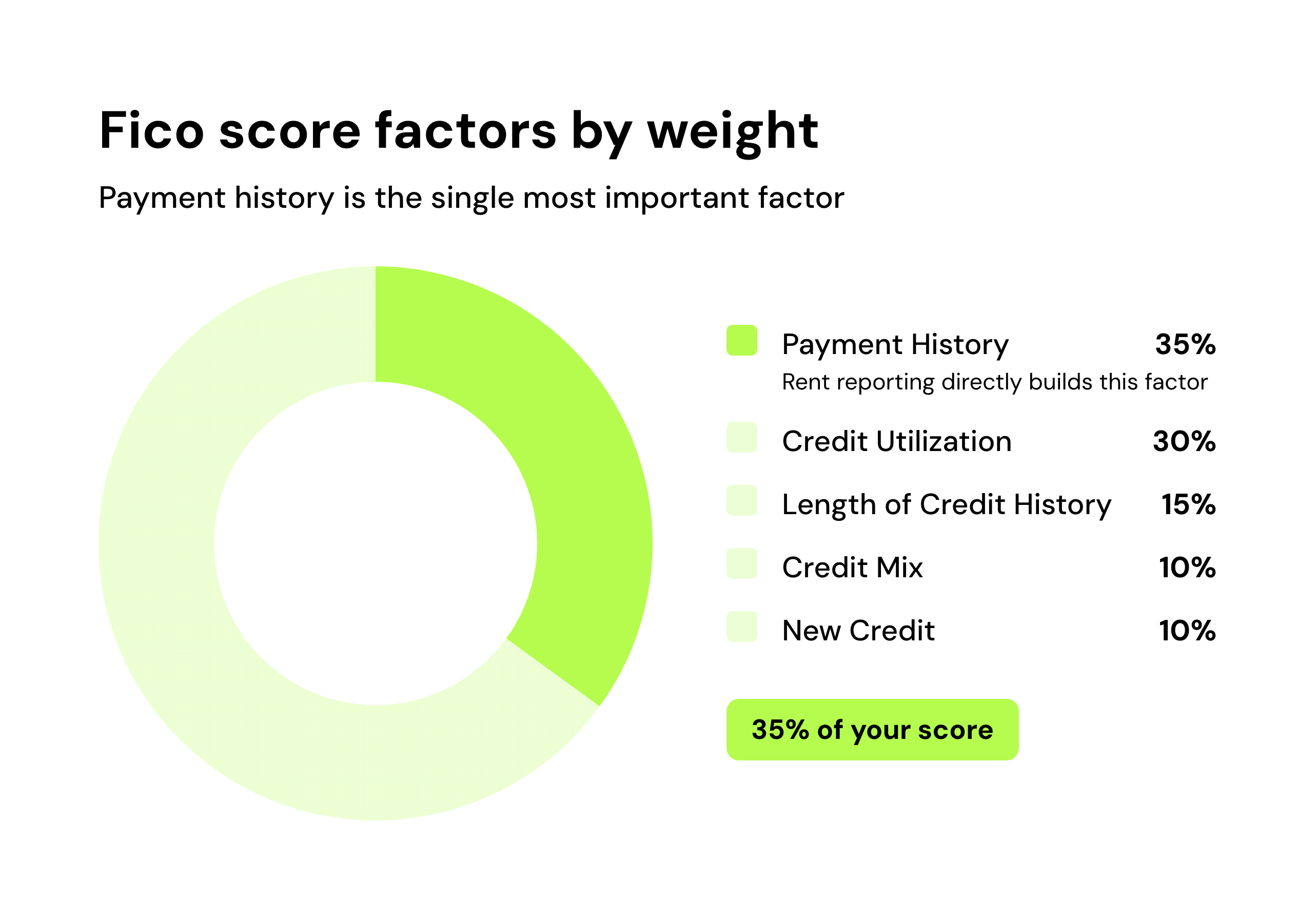
Rent reporting services take your verified monthly rent payments and report them to one or more of the three major credit bureaus: Equifax, Experian, and TransUnion. This means that every on-time payment you make becomes a record of positive payment history, which is the single most important factor in your credit score, making up 35% of your FICO score.[1]
For renters who don't have a lot of other credit activity, this can be a no-brainer way to establish a meaningful payment history without opening any new lines of credit. The impact is generally most noticeable for those with thin or no credit files, where every on-time payment carries significant weight.
Kikoff offers rent reporting as part of its credit-building plans, reporting your verified rent payments monthly to TransUnion and Equifax. Some Kikoff plans also allow you to report past rent payments, which can help accelerate the depth of your credit history.
If you're a TheGuarantors applicant, this $85 value is available to you for free through the partnership.
Open a secured credit card
A secured credit card is basically a credit card that you fund yourself upfront, and it functions just like a standard credit card from a credit-building perspective.
You deposit a set amount, typically anywhere from $50 to a few hundred dollars, and that deposit becomes your credit limit. Every purchase you make and pay off gets reported to the credit bureaus as positive activity, building your payment history and helping keep your utilization low if you use the card responsibly.
Secured cards are available to renters at virtually every credit level, including those with no credit history at all. This said, just make sure to pay off the full balance each month to avoid interest and keep your utilization well below 30%, which is the threshold generally associated with good credit behavior.[3]
Kikoff's Secured Credit Card is a no-fee option that reports to all three major credit bureaus, and you can keep it even if you later adjust your Kikoff plan.
Use a credit-builder account
A credit-builder account is a product designed with one primary purpose: to generate consistent, on-time payment history that gets reported to the credit bureaus.
Kikoff's Credit Account is a great example of this. It's effectively an unsecured store line of credit that you use to finance a small digital purchase in the Kikoff Store, and then pay off over time interest-free. Each monthly payment gets reported to the major credit bureaus, building your payment history without requiring a hard credit inquiry to sign up.
For renters who are just starting out or who have a thin credit file, this kind of low-cost account can be a super efficient way to establish a positive credit record alongside your rent reporting. Combining both gives you multiple streams of reported payment activity, which paints a more complete picture of your creditworthiness to lenders.
Become an authorized user
If you have a trusted family member, be it a parent, sibling, or close relative, who has good credit habits and an established credit card, asking to be added as an authorized user on their account can give your credit a meaningful boost.
When you're an authorized user, the account's payment history, credit limit, and age generally appear on your credit report as if it were your own. This means you can benefit from someone else's long, healthy credit history without having to manage the account yourself.
This strategy comes with some risk though. If the primary cardholder misses a payment or runs up high balances, those negative marks can affect your report too. Just make sure you fully trust the person and that you've confirmed they have a solid track record before accepting.
Keep credit utilization low
Credit utilization is the ratio of your current revolving credit balances to your total available credit limit, and it makes up 30% of your FICO score.[1]
The formula looks like this: (Balance / Credit Limit) x 100 = Utilization %
For example, if you have a $500 credit limit and carry a $100 balance, your utilization is 20%, which falls well within the generally recommended threshold of below 30%.[3] Keeping this number low signals to lenders that you're managing your credit responsibly and aren't financially stretched.
For renters who may have only one or two revolving accounts, this is especially important because a single high balance can have an outsized effect on your overall utilization rate. Lots of credit experts actually recommend keeping utilization below 10% for the best possible score impact.
Don't close old accounts
Length of credit history makes up 15% of your FICO score and is calculated mainly based on the average age of all your open accounts.[1]
Closing an old credit card, even one you rarely use, effectively removes that account's age from your average and can shorten your credit history significantly. This is especially important for renters who may have a smaller number of accounts to begin with, since every account contributes meaningfully to the average.
Instead of closing old accounts, consider using them for a small recurring purchase every few months and paying it off immediately. This keeps the account active and in good standing without any real risk to your utilization or payment history.
Does renting hurt your credit?
Renting itself does not hurt your credit.
The act of signing a lease or paying rent is not reported to the credit bureaus unless you choose to enroll in a rent reporting service, or unless you fall behind and a landlord sends your account to collections. This means renters aren't penalized simply for not having a mortgage.
That said, the absence of a mortgage does mean renters miss out on the automatic payment history that homeowners build every month on their home loans. This is why being intentional about adding other positive accounts, be it rent reporting, a secured card, or a credit-builder account, is especially valuable for renters looking to build a strong credit file.
What credit score do you need to rent an apartment?
Every landlord sets their own standards, but generally speaking, most landlords and property managers look for a credit score of at least 620 to 650 when screening rental applicants.
Landlords in more competitive rental markets, such as large cities, often expect higher scores, usually 700 or above, as a baseline. A lower score doesn't automatically disqualify you from renting, but it may result in being asked for a larger security deposit, a co-signer, or several months of rent upfront.
If you don't have a personal co-signer available, services like TheGuarantors can act as a financial guarantor on your behalf, helping you qualify for an apartment even if your credit score isn't quite there yet.
If your score is below where you'd like it to be, the strategies above can help you build it up over time. Even 3 to 6 months of consistent, on-time payments across a few reported accounts can make a noticeable difference.
Common mistakes renters make when building credit
Understanding what to do is just as important as knowing what to avoid.
Missing payments
Payment history is the single most important factor in your credit score, and a single missed payment can cause a substantial drop.
Even one late payment, once it's 30 days past due and reported, can stay on your credit report for up to seven years.[2] If you're ever at risk of missing a payment, be it on a credit card, a credit-builder account, or a loan, contact the lender as soon as possible, as many have hardship programs that can pause or adjust payments without a negative mark.
Applying for too many accounts at once
Every new credit application generally triggers a hard inquiry, which can temporarily lower your credit score by a few points.
Applying for several accounts in a short window can add up quickly, and lenders may interpret multiple recent inquiries as a sign of financial distress. Try to space out any new applications by at least three to six months to minimize the impact on your score.
Ignoring your credit report
Every individual who has any credit history has a report maintained by each of the three major bureaus, and errors are more common than most people realize.
Visit annualcreditreport.com to access your reports for free,[4] and review them carefully for inaccurate balances, accounts you don't recognize, or incorrectly reported late payments. If you find something wrong, Kikoff offers free dispute tooling that lets you send disputes electronically to TransUnion, or by mail to Experian and Equifax, without needing a paid plan.
Only making minimum payments
Paying only the minimum on your credit card is better than missing a payment entirely, but it's not an ideal long-term approach.
Carrying a balance from month to month increases your credit utilization and also means you'll accumulate interest, which can turn a manageable balance into a growing debt problem over time. Whenever possible, pay the full statement balance each month to keep utilization low and avoid interest charges altogether.
Conclusion
Being a renter doesn't put you at a disadvantage when it comes to building credit. You simply need to be intentional about using the tools that are available to you.
Reporting your rent, keeping a low utilization on any revolving accounts, avoiding common mistakes, and adding a credit-builder account to the mix are all strategies that can meaningfully move your credit score over time. The earlier you start, the more history you build, and the more options you'll have when it comes time to apply for a car loan, a new apartment, or even a mortgage.
Kikoff is designed to help renters and anyone building credit from the ground up.
With rent reporting, a secured credit card, and a credit-builder account all available in one platform, it's a super easy way to start adding positive payment history to your credit profile today.
Frequently Asked Questions
About the editor

Article Sources
Disclaimer: The information provided in this blog post is meant for informational purposes only and does not constitute financial advice.