



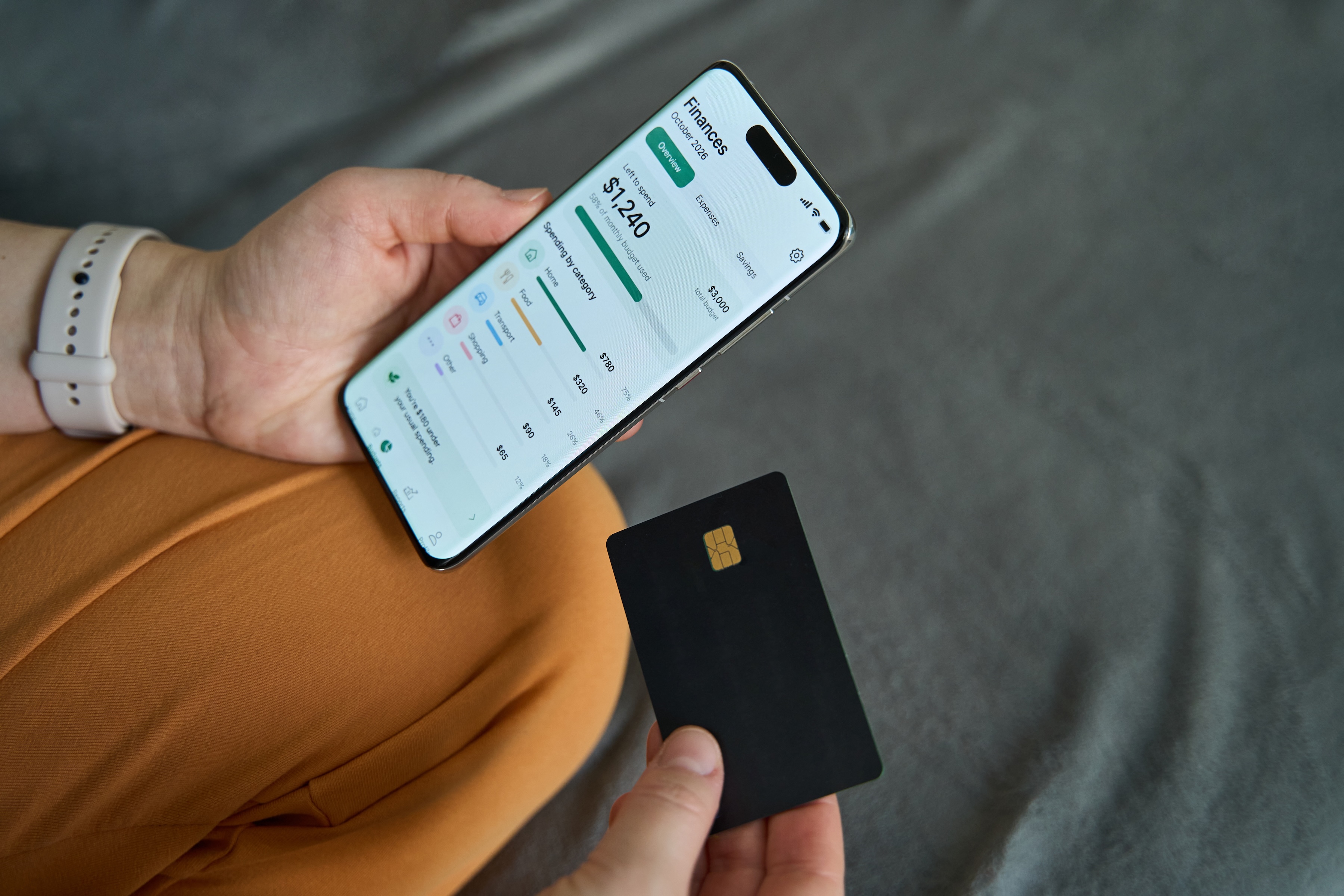
A prepaid card is a payment card you load with money before you spend it. It looks like a debit or credit card and works wherever its card network is accepted. It isn’t tied to a checking account, though, and you can’t spend more than you’ve put on it.
If a bank turns you down or you’re worried about a credit check, you don’t need a bank account or good credit to get one. What it can’t do is help you build credit: Most prepaid cards don’t get reported to the credit bureaus.
How a prepaid card works
You buy the card online or at a store, add money and spend until the balance runs out. Then you reload it with direct deposit, a bank transfer or cash at a store counter, or toss it if it’s a one-time card.
You’ll see three main kinds:
- General-purpose reloadable cards. The ones people use instead of a bank account
- Gift cards. Usually loaded once and spent down
- Payroll and benefits cards. Those issued by an employer or a government agency
What a prepaid card can cost
Fees vary from card to card. For reloadable, payroll, and benefits cards, federal rules require a short fee chart, called the short form, before you get the card. In a store, it’s printed on the package. Gift cards don’t come with one.
Every short form lists the same seven fees:
- Periodic fee (usually monthly). A flat charge for keeping the card open, whether you use it or not. Some cards waive it if you set up direct deposit.
- Per purchase fee. A charge each time you pay with the card. Some cards charge a different amount depending on whether you enter a PIN or sign.
- ATM withdrawal fee. What the card charges when you take out cash. The chart lists in-network and out-of-network ATMs separately, and an out-of-network ATM may add its own fee on top.
- Cash reload fee. What the card charges when you add cash at a store counter. The store may charge its own fee too.
- ATM balance inquiry fee. A charge for checking your balance at an ATM, listed for in-network and out-of-network machines. Checking in the app or online is often free.
- Customer service fee. A charge per call for help with your card. The chart may list separate prices for a live agent and an automated line.
- Inactivity fee. A charge when you haven’t used the card for a while. The chart says how long “a while” is before the fee starts.
It also tells you how many other types of fees the card charges. The full list is in the long form, which the provider has to make available.

Small fees can stack up, depending on cost and how often they’re charged.
That’s $216 a year to use your own money. Match the chart to your habits. If you take out cash often, the ATM row matters most. If you’re paid by direct deposit, ask if there’s a way to load your paycheck for free.
Paid on a payroll card? Your employer can’t force you to use a payroll card to receive your wages. If the card’s fees don’t fit how you use your money, ask HR what other ways they offer to pay you, such as direct deposit to an account you choose. Some states add their own protections for payroll cards.
How to protect the money on your card
If you bought the card yourself, registering it turns on two protections. Registering means giving the provider your name and a few details so it can confirm it’s really you. Payroll and benefits cards get the first one, limits on unauthorized charges, whether you register or not.
- Unauthorized charges. Before you register, the provider generally doesn’t have to limit your losses, as long as it warns you about the risks. After you register, report a lost or stolen card within two business days of noticing it’s gone, and your losses are generally capped at $50. Wait longer and they can reach $500. If you don’t report an unauthorized charge within 60 days of when it appears in your account history, you could lose all of it.
- Deposit insurance. Registration is often required for FDIC or NCUA insurance too. The short form tells you whether the card is eligible.
Gift card or reloadable card? Under the Credit CARD Act of 2009, gift card money generally can’t expire for at least five years after it’s issued or last loaded, and inactivity fees can’t start until a year with no use. Those rules don’t cover reloadable cards that aren’t marketed as gift cards, so check the inactivity row on the fee chart and ask what happens to your balance when the card expires.
Does a prepaid card build credit?
No. Credit reports track how you repay money you borrow. With a prepaid card, you’re spending money you already have, so there’s nothing to report.
But that goes both ways: A prepaid card can’t hurt your credit, but it won’t add the payment history lenders and landlords look for. If a card sells a credit building add-on, ask which bureaus it reports to and what it reports before applying.
Secured vs. prepaid cards: What’s the difference?
Both ask for money up front. On a prepaid card, that money is the balance you spend. On a secured credit card, it’s a deposit, and you borrow against your credit limit.
A secured card’s deposit is usually equal to the credit limit, and interest can be steep. In 2022, 80% of secured cards had APRs of 25% or more. On most cards, paying your statement balance in full each month means you don’t pay that interest.
Because a secured card is a credit card, it comes with Credit CARD Act protections:
- First-year fee cap. Required fees in the first year generally can’t exceed 25% of the credit limit. On a $300 limit, that’s $75. A deposit counts only if it’s charged to the card.
- Ability to pay. The issuer has to consider your ability to pay. Under 21, you’ll need your own income or a cosigner.
- Notice of changes. Issuers are generally required to notify you 45 days before significant changes, such as a rate increase.
Before you apply, ask the issuer whether it reports on-time payments to all three credit bureaus. If the answer’s no, then the card can’t help you build credit.
Bottom line
A prepaid card is a simple way to pay with money you already have, as long as the fees fit how you use it. But none of that spending shows up on your credit reports, and a secured card that does report ties up a deposit first.
The Kikoff Credit Account works differently. You use it in the Kikoff Store, not at the register, and Kikoff reports your on-time payments to Equifax, Experian, and TransUnion. There’s no deposit and no credit check to sign up. Plans start at $5 a month.
Frequently Asked Questions
Article Sources
Disclaimer: The information provided in this blog post is meant for informational purposes only and does not constitute financial advice.