


.jpg)


If your credit score isn't where you want it to be, you're not alone. By looking for ways to boost your score, you've taken the first step forward.
You may have noticed that there's no shortage of credit-building advice out there. But how do you know whether to trust that advice?
Instead of a random blog, we've gathered some tips from a real authority: the Consumer Financial Protection Bureau (CFPB). If you're ready to transform your credit, these CFPB credit score tips can help you get started.
CFPB credit score tips
Not sure how to improve your credit score? CFPB guidance is a good place to start.
It's important to note that the CFPB itself says, "There's no secret formula to building a strong credit score." Following these tips won't result in an overnight transformation, but it can move your credit score in the right direction.
Pay on time, every time
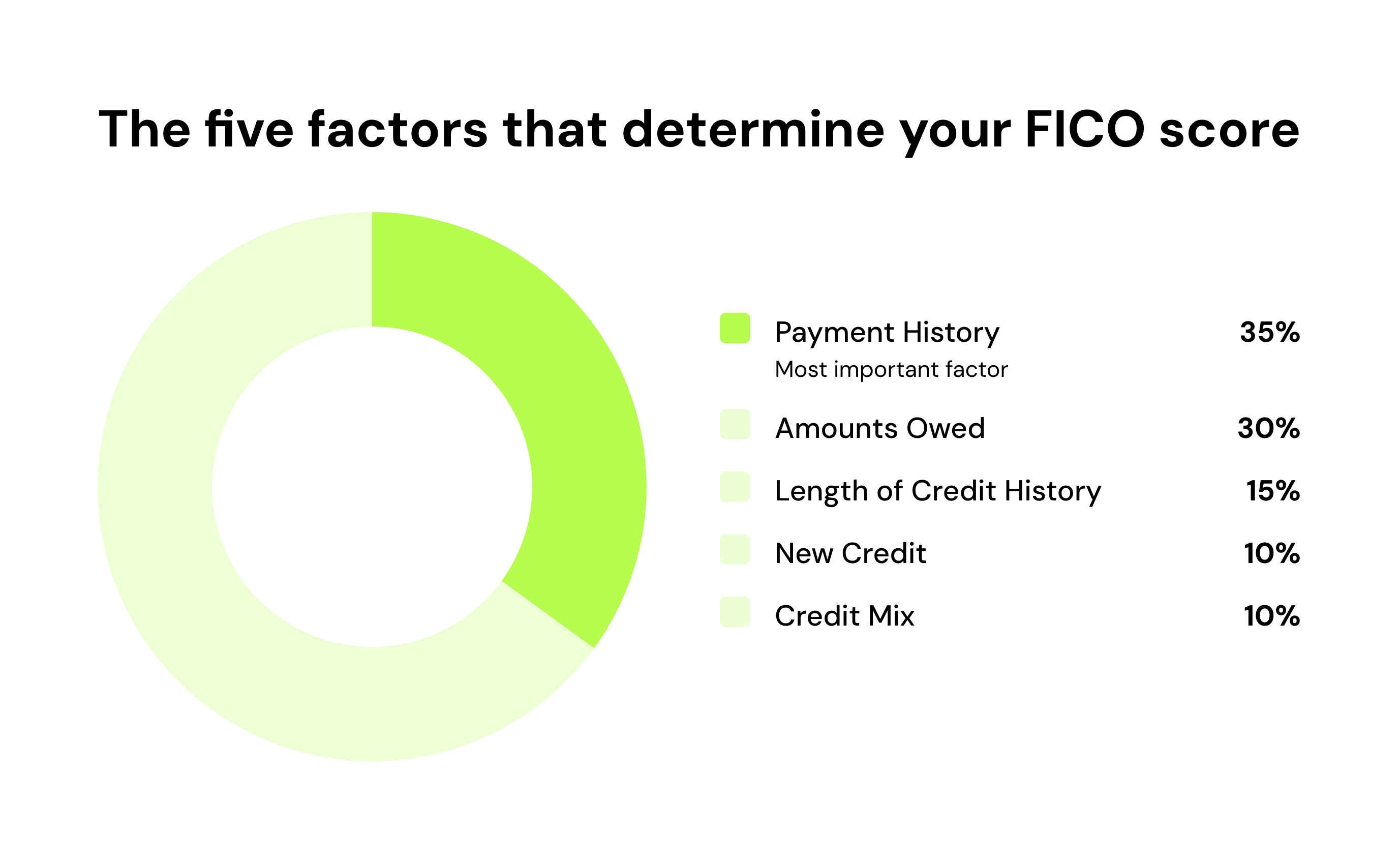
The most important factor used to determine your FICO score is your payment history. Even one missed payment can seriously damage your score, and that damage lasts longer than you might realize.
The CFPB says, "A credit reporting company generally can report most negative information for seven years." This means late payments and other negative marks typically stay on your credit report for a while, but their impact will lessen over time.
Keep your balances low
Many people think there's nothing wrong with using all the credit available to them. However, lenders look closely at the percentage of available credit that you're using. If you maintain a credit card balance close to your limit, it can signal to lenders that you're financially overstressed.
The CFPB notes that ideally, you should use no more than 30% of your available credit at any given time. Paying your balance in full each month will keep this percentage low.
Limit new credit applications
Only apply for credit that you actually need. When a lender checks your credit before approving your application, your score may drop by a few points. However, if you apply for multiple credit accounts within a short time, you might see a more significant drop in your score.
If you submit several credit applications around the same time, it suggests to lenders that you're desperate to access money. And statistically, that makes you riskier to lend to.
Check your credit reports for errors
This is a critical (and often overlooked) step. Errors on your credit report could be unfairly lowering your score. You can access free copies of your report from all three bureaus at AnnualCreditReport.com. If you spot an error, file a dispute.
Remember that length of credit history matters
Lenders want to see how well you manage credit over time. They'll be more confident in your ability to handle a loan if they see a long history of on-time payments.
If your credit score is low because your credit history is short, don't worry. As long as you follow the other CFPB credit score tips, it should improve with time. You can help by keeping old credit cards open, even if you rarely use them.
Where credit-building products fit into the CFPB's advice
When you're trying to figure out how to improve your credit score, CFPB guidance can point you in the right direction. But if you have few (or no) open credit accounts, you might not be sure where to start.
There are many credit-building products out there, and using them strategically might make building credit faster and easier. Here are a few to consider.
Credit-builder apps
Credit-builder apps connect you with credit lines, secured credit cards, and other tools to help you boost your score. Kikoff is one of them! We're a credit-builder app helping people with poor or no credit start building strong credit histories.
Secured credit cards
Responsibly using a credit card can improve your credit. But what if you can't qualify? A secured credit card might be the way forward. These accounts are secured by a refundable deposit, and as you make payments, they'll be reported to credit bureaus.
Credit-builder loans
Credit-builder loans work like traditional loans in reverse. If you're approved, the lender holds the loan amount in a secure account. You make payments over time, and those payments are reported to credit bureaus. Once you've made all payments, the funds in the account are released to you.
Ready to start implementing CFPB credit score tips?
Building credit can be challenging, but it's worth the effort. Kikoff is here to offer support, personalized guidance, and credit-building products to help you succeed.
We don't check your credit, and joining is free. Get started with us today!
Frequently Asked Questions
About the editor
Article Sources
Disclaimer: The information provided in this blog post is meant for informational purposes only and does not constitute financial advice.